Art for Self-Expression

Meagan Ledendecker • February 13, 2023

Numerous theories and lots of research expound upon the importance of artistic expression. For young children and adolescents, art is an especially crucial form of personal expression. As such, children need to experience their own process rather than to produce a piece that someone else wants. In Montessori, we also have sensitivity to different expressive needs throughout different stages of development. 


Process vs. Product


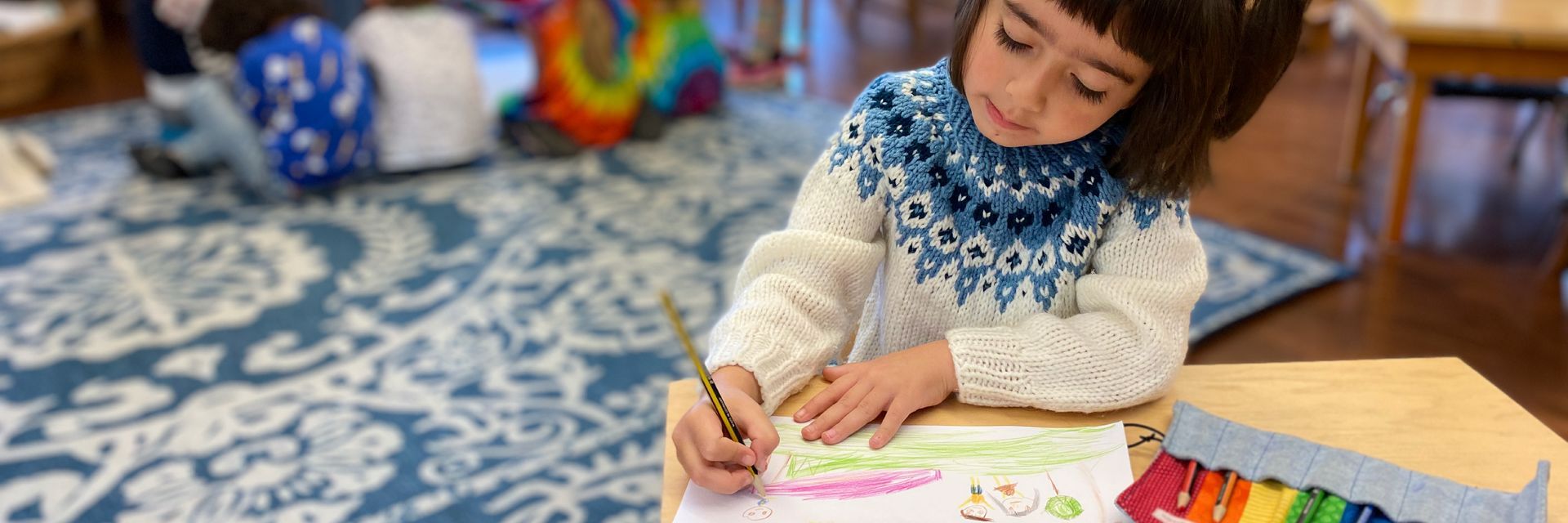
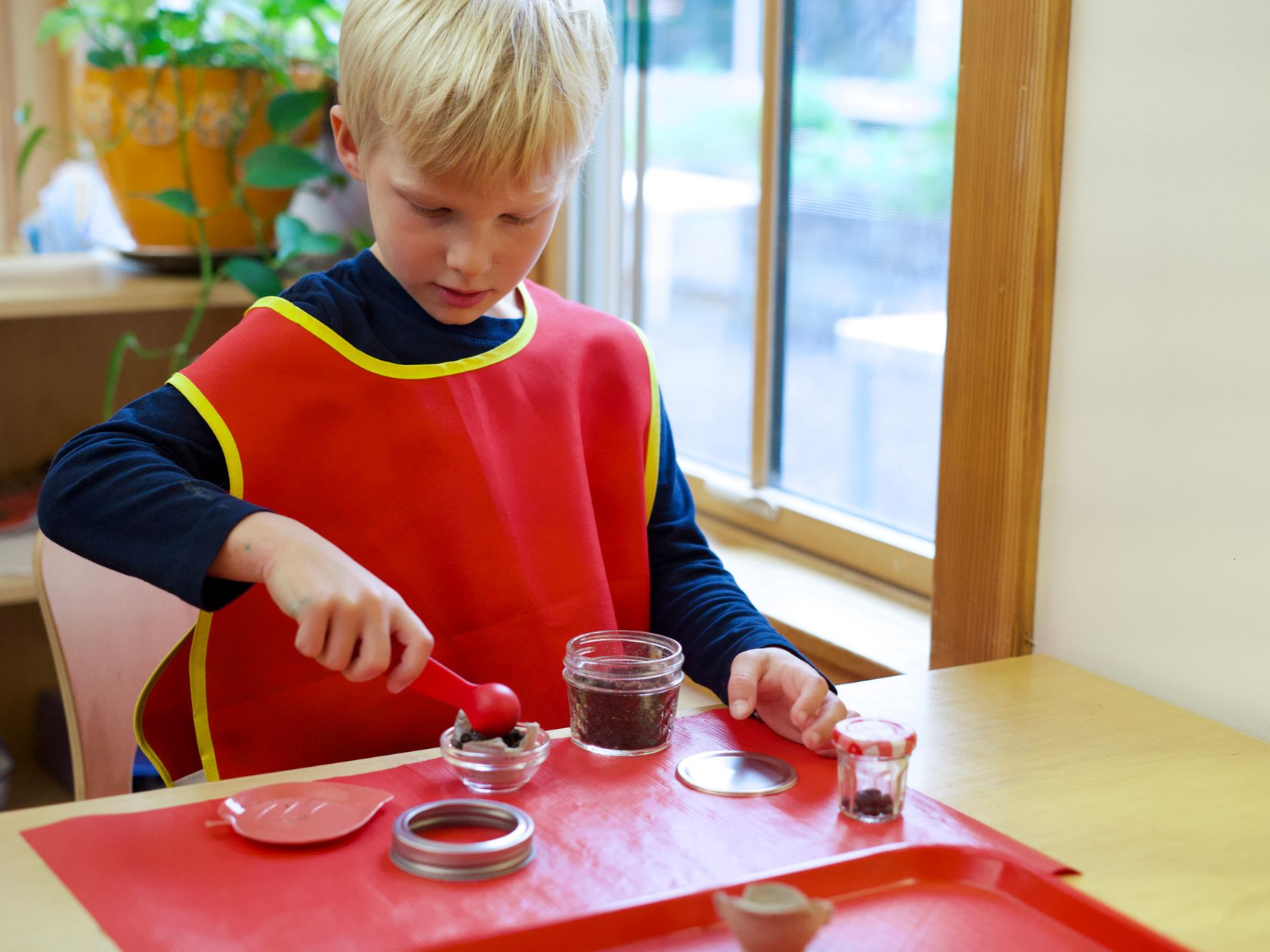
For young children, the process of making art is much more important than the product. When infants and toddlers are engaged in art activities, they are expressing feelings that they may not yet have words to express. Thus, during these early years, we focus on offering young children a variety of different artistic mediums.


When children are using different art materials, we first provide opportunities to work with larger spaces and then later move into the smaller more refined possibilities. For example, we start with painting at the easel, then as children develop more coordinated hand movements, we offer smaller paper or objects to paint.


Use of Tools


In addition to introducing different kinds of materials, we also show young children how to use different tools. We show how to use just a little water and the tip of the brush with watercolor paints. We explore different techniques with crayons. We introduce various tools–like knitting needles, crochet hooks, or looms–for fiber arts. Whatever the form of art, we offer the tools required for successful expression through that form.


We also open up a range of possibilities for children to explore. For example, in introducing clay, we show how to carefully get out the clay, how to use different techniques such as forming coils and slabs, how to cut, carve, or roll the clay, and how to store it when finished. We may also show examples of clay sculptures, whether in books or museums. With all of this information, children have a range of inspiration when they decide to work with clay. 


Adult Response


To support young children’s artistic expression, we offer objective comments: “Oh how interesting…the lines go up and down,” or “I can see you used a lot of red and blue paint today.” We want to be very careful with what we say so we don’t give any indication of judgment, either good or bad. Young children do not yet have the language to explain their art. Therefore, we want to make sure our comments don’t inadvertently create expectations for children.


In Montessori, adults don’t insist that children express themselves artistically, or tell children what to express. When children choose some form of artistic expression, adults allow them the freedom to be with themselves while in the process of creating art. With this in mind, children’s artwork is individual, creative, non-competitive, and often connected to other subjects. We don’t expect children to learn to imitate adult creations or turn out products that all look alike. 


Into the Elementary Years


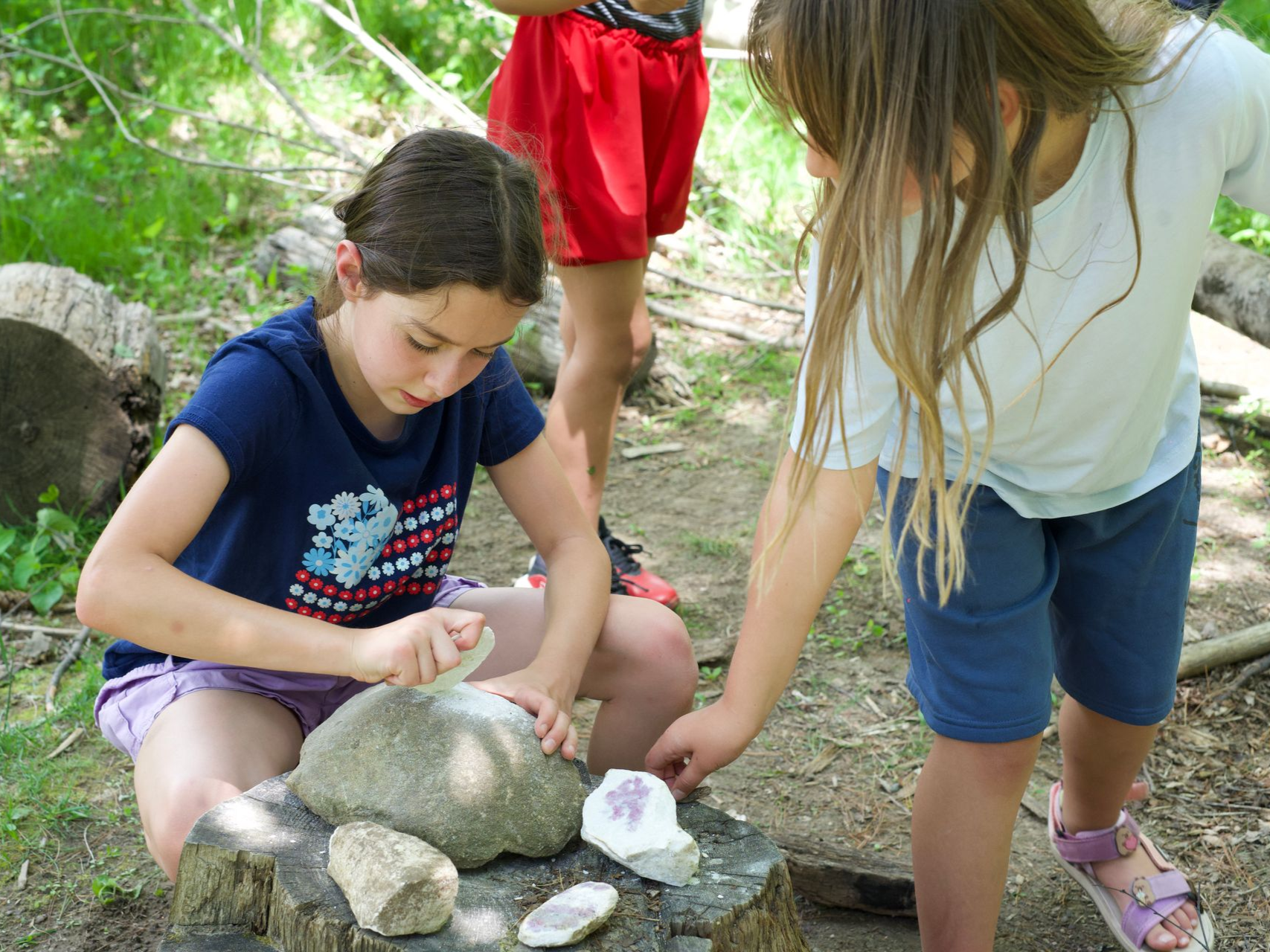
From six to twelve, children began to use art in a more cognitive way. Often elementary-aged children began to want their artwork to be very realistic. They may focus more on the finer details of a particular piece of art rather than on the overall composition. As a result, children of this age can become discouraged if they feel their art “doesn’t look right.” Their determination is relentless. Because they will often insist upon realism, even at the risk of giving up on their artistic ability, we offer many different sub-skills to help children refine their techniques.


Art in a Montessori elementary classroom is often connected to students' intellectual pursuits. When studying Ancient Egypt, students may want to create a portrait in profile or a model of a pyramid. If they are immersed in learning about a country, they might learn about the symbolism of the flag’s colors and sew a sample flag.


All of this work is aided by the fact that children of this age love big projects. To support their artistic and intellectual pursuits, we provide elementary students with a kind of mini-studio so they can access the materials they need to create big projects and share their learning with their peers. 


Through Adolescence


During adolescence, young people need even more opportunities to form, shape, express, and clarify their inner thoughts, feelings, and experiences. Artistic expression can be a vital outlet during this turbulent time, and can allow adolescents to not only reach a better understanding of who they are but also to be able to connect deeply with others through shared expression.


Questions of identity and fitting in weigh heavily on adolescents. Without ample opportunities for expression, these already perplexing questions can fester. Adolescents need creative outlets to keep their spirits vibrant!


In addition, expressive opportunities allow adolescents to merge their emotions with their intellect. It’s best to have a variety of avenues for artistic expression: instruments readily available to pick up, an art studio to transfer complex feelings into visual art, or opportunities for dramatic interpretation of academic content. 


Vital Form of Expression


In Montessori, we feel strongly that young people need artistic outlets so they can have balance in their physical, emotional, social, intellectual, spiritual, and creative development. A Montessori environment supports the development of the whole person, thus allowing children to explore their personal creativity. 


Art is a vital form of expression throughout different stages of growth. Through art children can express what they are feeling, elementary-age students can integrate their learning and refine their skills, and adolescents can better understand themselves and their connections to others. Creating art can allow our young people to reveal feelings that they could perhaps not express in words. Thus, we offer children a variety of art mediums and different experiences, as well as the freedom to choose and experience the form they have chosen.


As always, we invite you to come to visit our school to see this artistic expression in action!
Close up image of a child's hands holding a small green square card printed with the word
By Meagan Ledendecker February 27, 2026
In this blog post, learn more about how Montessori classrooms help children bring to consciousness language they already use every day by learning about how language functions and how meaning is carried when words stand in for each other.
Image of a toddler sleeping face down on a mat with a brightly colored blanket
By Meagan Ledendecker February 27, 2026
March 1 marks Baby Sleep Day, so we thought we’d take a moment to reflect on the alignment between Montessori philosophy and modern sleep science. In Montessori, we focus on independence as a path toward self-sufficiency. This is a gradual, mindful process of becoming capable. For our youngest children, this journey begins with mastery of the most fundamental human needs: eating, toileting, and sleeping. These areas matter deeply because they are ultimately under a child’s control. No one can make a child eat, use the toilet, or sleep. Our role, then, is not to force outcomes but to remove obstacles. As adults, we can provide thoughtful structure and support children as they develop the skills that build confidence and trust in their own bodies. Language Shapes Our Intentions In Montessori, our language reflects our values. For example, we don’t talk about “toilet training.” Instead, we focus on “toilet learning” because children are learning how to care for their bodies within the cultural norms. We are not training behavior. We are supporting development. The same is true for sleep. Rather than “sleep training,” Montessori invites us to think in terms of supporting independent sleep skills. We help children learn how to settle their bodies, self-soothe, and eventually fall asleep independently, all skills they will rely on for the rest of their lives. Why Sleep Matters So Much Research continues to affirm that sleep is foundational. Healthy sleep supports brain development and learning, emotional regulation, physical growth and immune function, and memory and attention. During sleep, children’s bodies perform essential functions, including muscle growth, tissue repair, protein synthesis, and the release of growth hormones. Deep sleep stages are when the most restorative processes occur. How Sleep Works  Two systems guide sleep: circadian rhythm and sleep pressure. Circadian rhythm is the body’s internal 24-hour clock, regulated by light and darkness. When it’s dark, the brain releases melatonin (the sleep hormone). When it’s light, melatonin decreases, and cortisol helps us wake. This is why darkness supports sleep, blue light from screens disrupts it, and consistent bedtimes matter. Newborns are not born with a mature circadian rhythm. It begins developing around six weeks and becomes more established around three months, which explains why early baby sleep can feel unpredictable. The other factor is sleep pressure. The longer we’re awake, the stronger the drive to sleep. This pressure builds during the day and resets after a long stretch of rest. When children miss their sleep window and become overtired, stress hormones (adrenaline and cortisol) kick in, creating that familiar “second wind.” Suddenly, a child who desperately needs sleep seems wired and alert. Understanding sleep pressure helps us time sleep before children tip into exhaustion. A Montessori Framework for Healthy Sleep To support both healthy attachment and independence, Montessori encourages clear, loving boundaries. Sleep is no different. We can focus on four key factors: a prepared sleep environment, predictable and respectful routines, healthy sleep associations, and limits with flexibility. A Prepared Sleep Environment Just as we prepare our Montessori classrooms, we want to be intentional about preparing our child’s sleep space at home. Key components include ensuring that the space is: Dark (blackout curtains help melatonin production) Quiet and calm Free of stimulating toys Slightly cool A good question to ask ourselves is: Would I easily fall asleep here? Predictable, Respectful Routines Children feel secure when they know what comes next. A simple home routine might include: The final feeding Putting on pajamas Toileting/diapering Tooth brushing A short story or song A hug and kiss goodnight Long baths or extended reading are best before the sleep window, not during it. Healthy Sleep Associations Children form associations with the conditions present when they fall asleep. If a child falls asleep being rocked, fed, or held, they will often need that same support during natural night wakings. Instead, we want to place a child in bed drowsy but awake, so they can practice falling asleep independently. Comfort objects, such as a small blanket or stuffed animal, can support this process. Limits with Flexibility Sleep needs change as children grow. Consistency matters, but we don’t want to be unnecessarily rigid. It’s important to keep in mind, though, that older children may test boundaries, delay routines, or negotiate endlessly. Calm, consistent follow-through reassures children that the structure is dependable. And just as importantly, adults need support, too! Holding limits is much harder when we are sleep-deprived, so self-care is essential. Why Independent Sleep Is an Act of Care Babies naturally cycle through light and deep sleep many times each night. When they wake briefly between cycles, a child who knows how to self-settle can drift back to sleep without distress. Independent sleep skills: Reduce frequent night wakings Support early morning sleep Improve mood and learning Protect parents’ well-being Plus, poor sleep in infancy is linked to challenges later in childhood, including difficulties with emotional regulation and health concerns. Supporting sleep early is preventative care. A Closing Thought for Baby Sleep Day Supporting sleep is not about forcing independence. It’s about preparing the conditions so independence can emerge naturally, with confidence and trust. If you’re navigating sleep challenges, please know this: you don’t have to do it alone. Sleep is learned, supported, and refined over time (just like every other human skill!). We want to honor sleep not as a struggle to overcome, but as a vital rhythm to protect, for both our children and ourselves. If you are interested in learning more, schedule a visit here in Lenox today!
By Meagan Ledendecker February 23, 2026
One of the quieter, less visible practices in a Montessori elementary classroom is the Child-Guide conference. You may never see it listed on a schedule or mentioned in a weekly update, yet it plays a profound role in children’s experience at school. Relationship Comes First The primary purpose of these conferences is to establish, maintain, and strengthen the relationship between the adult and each child. This focus shifts the dynamic from a teacher looking for faults or scolding about unfinished work. Rather, it’s a collegial conversation that enables children to take an active and engaged role in their own education. These connective conversations are grounded in relationship-building because when children feel emotionally safe and genuinely respected, they are far more willing to reflect, stretch themselves, and take responsibility for their growth. Every Child, as Often as They Need Montessori Guides aim to meet regularly with every child, but what “regularly” looks like can vary based on individual needs. Some children benefit from a longer, more formal conference every few weeks. Others need brief, frequent check-ins, sometimes lasting only a minute or two. These short moments might look like a quick conversation at the beginning of the morning, a gentle pause beside a table, or a quiet walk across the room together. The length of the meeting is not what matters. What is important is the message it sends: “I see you. I know your work. I care about how this is going for you.” What Happens in a Child-Guide Conference? While conferences vary based on each individual and the moment, they often include: The child bringing their learning journal or work (finished and unfinished) The guide bringing observational records A shared look at what has been accomplished Gentle reflection on what still feels unfinished Planning for what might come next Scheduling new lessons or presentations Support with larger projects: breaking them into steps, mapping timelines, imagining the finished product This collaborative time also provides an opportunity to experiment with new strategies (“Would you like to try creating a prioritized list?”), celebrate successes (“You worked so hard on your presentation! How did it feel to share your work?”), and reflect upon challenges (“It seems like you’ve been feeling a bit stuck in your research project. Tell me more about what is going on.”). Learning to Define “Finished” One of the most freeing lessons children learn in Montessori is that not every piece of work must be finished to an adult’s standard. Sometimes children accomplish exactly what they set out to do, and continuing would add nothing meaningful. Other times, interest has naturally ended, and letting go is healthy. This is not about lowering expectations. It is about honoring children’s internal sense of completion and learning when to release what no longer serves a purpose. Trusting Children’s Self-Assessment A cornerstone of these conferences is trust. Guides listen carefully to how children assess their own work and articulate their goals. When an adult truly accepts children’s self-assessment, something powerful happens: children begin to see themselves as capable, thoughtful, and worthy of being taken seriously. Children often receive more from the tone and sentiment of these meetings than from the actual content discussed. The Whole Child Matters Because Montessori education is concerned with the whole child, conferences may naturally move beyond academics. A Guide might gently offer support with social dynamics or ask about recent struggles during outdoor time. These moments provide a safe space for children to reflect on their own social, emotional, and physical development, and to recognize that there is a network of support. When Relationships Need Repair Even in the most thoughtful classrooms, relationships can become strained. What matters is how adults respond. It is never too late for a Guide to sit with a child and say, honestly: “I’ve been thinking about how we’ve been interacting recently, and I’d love to brainstorm with you about what I could do differently.” When an adult takes responsibility, without demanding the child do the same, something shifts. Trust begins to rebuild. Real dialogue becomes possible. Children learn from this modeling. In time, after they feel safe, they often step forward to take responsibility themselves. What Children Are Really Learning Through these quiet, intentional meetings, children learn that:  their thoughts and feelings matter, adults can be trusted, mistakes are part of growth, reflection leads to independence, and relationships can be repaired. And while these conferences may happen quietly in a corner of the classroom, their impact echoes far beyond it. This is true preparation for life. To learn more about the long-term benefits of Montessori, visit us here in Lenox, MA!
Image of a preschool aged student sitting on the floor with a moveable alphabet
By Meagan Ledendecker February 16, 2026
Explore how Montessori children learn to write through sound work, movable alphabet exploration, and a joyful, developmentally prepared process.
Image of two parents with two children hugging their children after school
By Meagan Ledendecker February 9, 2026
Learn why children need quiet decompression after school and how a “quiet landing” supports regulation, connection, and meaningful conversation.
Image of three elementary students sitting at a table with red equivalence shapes set in green frame
By Meagan Ledendecker February 2, 2026
Discover how Montessori geometry introduces equivalence through hands-on exploration, helping children build deep understanding of area, fractions, and mathematical reasoning.
Show More