
End-of-Summer Bucket (and Book!) List

Meagan Ledendecker • August 8, 2022

In Montessori, we believe that learning isn’t just something that happens at school. Children are naturally curious and want to discover, explore, and learn. By the end of the summer, they are often eager for opportunities to expand their awareness and engage in something meaningful. So why not use these last weeks of summer as an occasion to soak in experiences that will feed your child’s sense of wonder!


To inspire some end-of-summer adventures, this week we are combining the idea of a summer bucket list with our curated book list! 


If your child is older, you can share or post this list and offer a challenge to see how many items they can accomplish before school begins. For younger children, you can use the list as a source of inspiration to enjoy some special time together. 


We’ve included some of our favorite titles under each bucket list item. Heading to the library to gather books on the topic can inspire further exploration or even spark some interest. Although most of the books included are picture books, wordless books, or early readers, even older children can be inspired by a book left out on the kitchen table! Be sure to click on the book title to access the Goodreads description. 


Happy adventuring!


Climb a hill or a mountain. Explore a new hiking trail.

Hike by Pete Oswald

The Hike by Alison Farrell


Walk, bike, or skate along a bike path.

Along a Long Road by Frank Viva 


Canoe or raft on a local river.

River by Elisha Cooper

The Raft by Jim LaMarche


Explore a nature area near your house.

I Took a Walk by Henry Cole

Nature Anatomy: The Curious Parts and Pieces of the Natural World by Julia Rothman 

A Walk in the Woods by Christin Couture


Climb a tree.

Just Like Me, Climbing a Tree: Exploring Trees Around the World by Durga Yael Bernhard 

The Magic and Mystery of Trees by Jen Green, illustrated by Claire McElfatrick 


Learn how to use a compass and map to find your way.

How to use a compass for kids (and adults too!): Your Little Guide to Becoming an Expert Navigator With a Trusty Compass by Henry D Bridges 

My Heart Is a Compass by Deborah Marcero 


Learn how to pitch a tent, make a fire, and cook breakfast outdoors.

S Is for S’mores: A Camping Alphabet by Helen Foster James, illustrated by Lita Judge 

The Kids Campfire Book: Official Book of Campfire Fun by Jane Drake and Mordicai Gerstein, illustrated by Heather Collins

Toasting Marshmallows: Camping Poems by Kristine O’Connell George, illustrated by Kate Kiesler


Make sandcastles on the beach.

A Day for Sandcastles by Jonarno Lawson, illustrated by Qin Leng


Make mud pies.

Mud Book: How to Make Pies and Cakes by John Cage & Lois Long

Mud by Mary Lyn Ray


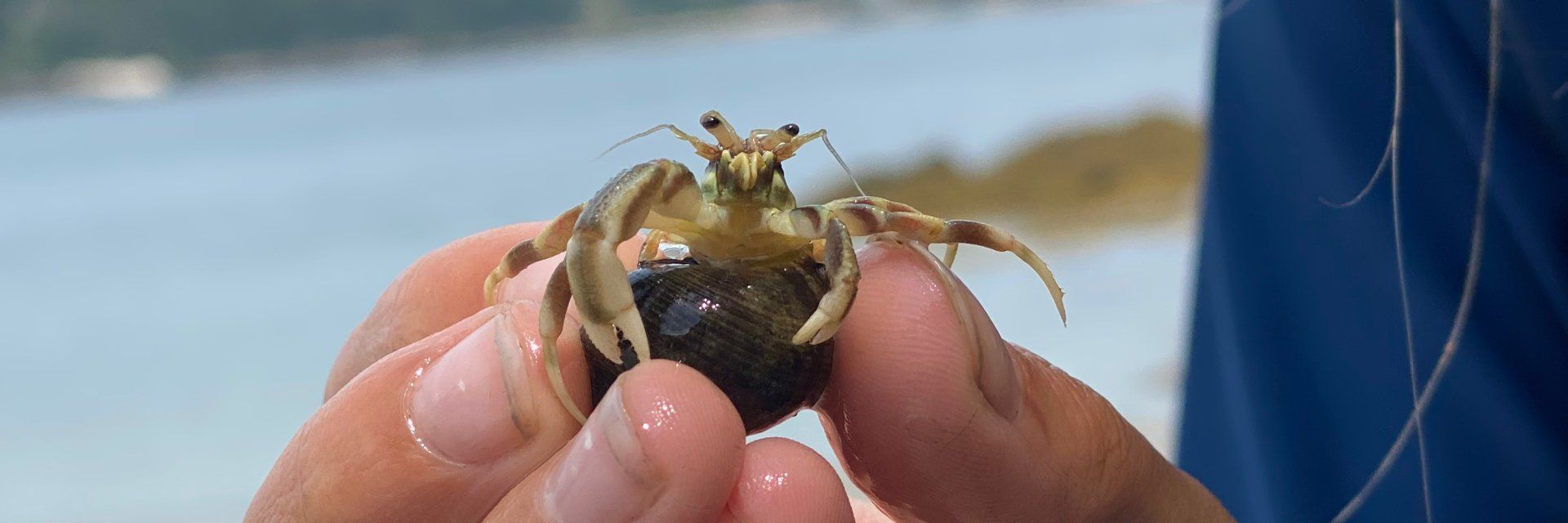
Search for invertebrates in seaside rock pools or woodland streams.

What's in the Tide Pool? by Anne Hunter

A River by Marc Martin


Build a fort or lean-to in the woods.

Fort-Building Time by Megan Wagner Lloyd, illustrated by Abigail Halpin

A Kids' Guide to Building Forts by Tom Birdseye


Spend some hours making dams and bridges on little streams.

Streams and Ponds: My Nature Sticker Activity Book by Olivia Cosneau 

All the Water in the World by George Ella Lyon, illustrated by Katherine Tillotson 

Build, Beaver, Build!: Life at the Longest Beaver Dam by Sandra Markle, illustrated by Deborah Hocking 

We're Going to Build a Dam by Gillian McClure 


Try catching frogs.

ribbit by Jorey Hurley

a boy, a dog, and a frog by Mercer Mayer


Try catching fireflies in a jar.

Fireflies by Julie Brinckloe 

Fly, Firefly by Shana Keller, illustrated by Ramona Kaulitzki 


Learn how to identify a few constellations and how to find the North Star.

Wishing on a Star: Constellation Stories and Stargazing Activities for Kids by Fran Lee 

Glow-in-the-Dark Constellations by C. E. Thompson 

Zoo in the Sky: A Book of Animal Constellations by Jacqueline Mitton

Once Upon a Starry Night: A Book of Constellations by Jacqueline Mitton


Learn where north, south, east, and west are in relation to your home.

The Compass Rose and Cardinal Directions by Caitlin McAneney

Maps and Globes: A New True Book by Ray Broekel

Maps and Globes by Jack Knowlton, illustrated by Harriet Barton


Watch the Perseid meteor shower (which peaks August 11-12).

Meteor Showers (True Book: Space) by Jane Kelley 

Exploring Meteor Showers (Discover the Night Sky) by Brigid Gallagher


Build a birdhouse (here are some good reasons why!).

Bird House by Blanca Gómez 

Building Birdhouses (How-to Library) by Dana Meachen Rau, illustrated by Kathleen Petelinsek 

The House I'll Build for the Wrens by Shirley Neitzel, illustrated by Nancy Winslow Parker 


Ask your parent or grandparent to teach you how to whittle a piece of wood.

Forest Craft: A Child's Guide to Whittling in the Woodland by Richard Irvine

Whittling Projects for Adventurous Kids by Floris Books 


Be able to name the local birds in your neighborhood (use binoculars, learn to recognize bird songs, etc.).

Backpack Explorer: Bird Watch: What Will You Find? by Editors of Storey Publishing, illustrated by Oana Befort 

Bird Watch by Christie Matheson

My Awesome Field Guide to North American Birds: Find and Identify Your Feathered Friends by Mike Graf 

Have You Heard The Nesting Bird? by Rita Gray, illustrated by Kenard Pak 


Learn the names of the trees on your property or in your area.

Backpack Explorer: Discovering Trees: What Will You Find? by Editors of Storey Publishing 

Trees (Field Guides for Kids) by Andrea Debbink 


Collect something and make a little museum at home (shells, rocks, feathers, postcards of natural wonders, etc.).

What’s in Your Pocket? Collecting Nature’s Treasures by Heather L. Montgomery, illustrated by Maribel Lechuga

The Amazing Collection of Joey Cornell: Based on the Childhood of a Great American Artist by Candace Fleming, illustrated by Gérard DuBois

Rocks in His Head by Carol Otis Hurst, illustrated by James Stevenson


Keep a Nature Journal.

The Boy Who Drew Birds: A Story of John James Audubon by Jacqueline Davies, illustrated by Melissa Sweet

A Seed Is Sleepy by Dianna Aston, illustrated by Sylvia Long


Dig for worms.

An Earthworm's Life by John Himmelman

Yucky Worms by Vivian French, illustrated by Jessica Ahlberg


Go fishing.

Over and Under the Pond by Kate Messner

H Is for Hook: A Fishing Alphabet by Judy Young


Go for a night hike with a flashlight.

Flashlight by Lizi Boyd 

Night Walk by Sara O'Leary, illustrated by Ellie Arscott


Pick fresh berries and bake a pie.

Wild Berries by Julie Flett, translated by Earl N. Cook 

Pie for Breakfast: Simple Baking Recipes for Kids by Cynthia Cliff

Blueberries for Sal by Robert McCloskey
Close up image of a child's hands holding a small green square card printed with the word
By Meagan Ledendecker February 27, 2026
In this blog post, learn more about how Montessori classrooms help children bring to consciousness language they already use every day by learning about how language functions and how meaning is carried when words stand in for each other.
Image of a toddler sleeping face down on a mat with a brightly colored blanket
By Meagan Ledendecker February 27, 2026
March 1 marks Baby Sleep Day, so we thought we’d take a moment to reflect on the alignment between Montessori philosophy and modern sleep science. In Montessori, we focus on independence as a path toward self-sufficiency. This is a gradual, mindful process of becoming capable. For our youngest children, this journey begins with mastery of the most fundamental human needs: eating, toileting, and sleeping. These areas matter deeply because they are ultimately under a child’s control. No one can make a child eat, use the toilet, or sleep. Our role, then, is not to force outcomes but to remove obstacles. As adults, we can provide thoughtful structure and support children as they develop the skills that build confidence and trust in their own bodies. Language Shapes Our Intentions In Montessori, our language reflects our values. For example, we don’t talk about “toilet training.” Instead, we focus on “toilet learning” because children are learning how to care for their bodies within the cultural norms. We are not training behavior. We are supporting development. The same is true for sleep. Rather than “sleep training,” Montessori invites us to think in terms of supporting independent sleep skills. We help children learn how to settle their bodies, self-soothe, and eventually fall asleep independently, all skills they will rely on for the rest of their lives. Why Sleep Matters So Much Research continues to affirm that sleep is foundational. Healthy sleep supports brain development and learning, emotional regulation, physical growth and immune function, and memory and attention. During sleep, children’s bodies perform essential functions, including muscle growth, tissue repair, protein synthesis, and the release of growth hormones. Deep sleep stages are when the most restorative processes occur. How Sleep Works  Two systems guide sleep: circadian rhythm and sleep pressure. Circadian rhythm is the body’s internal 24-hour clock, regulated by light and darkness. When it’s dark, the brain releases melatonin (the sleep hormone). When it’s light, melatonin decreases, and cortisol helps us wake. This is why darkness supports sleep, blue light from screens disrupts it, and consistent bedtimes matter. Newborns are not born with a mature circadian rhythm. It begins developing around six weeks and becomes more established around three months, which explains why early baby sleep can feel unpredictable. The other factor is sleep pressure. The longer we’re awake, the stronger the drive to sleep. This pressure builds during the day and resets after a long stretch of rest. When children miss their sleep window and become overtired, stress hormones (adrenaline and cortisol) kick in, creating that familiar “second wind.” Suddenly, a child who desperately needs sleep seems wired and alert. Understanding sleep pressure helps us time sleep before children tip into exhaustion. A Montessori Framework for Healthy Sleep To support both healthy attachment and independence, Montessori encourages clear, loving boundaries. Sleep is no different. We can focus on four key factors: a prepared sleep environment, predictable and respectful routines, healthy sleep associations, and limits with flexibility. A Prepared Sleep Environment Just as we prepare our Montessori classrooms, we want to be intentional about preparing our child’s sleep space at home. Key components include ensuring that the space is: Dark (blackout curtains help melatonin production) Quiet and calm Free of stimulating toys Slightly cool A good question to ask ourselves is: Would I easily fall asleep here? Predictable, Respectful Routines Children feel secure when they know what comes next. A simple home routine might include: The final feeding Putting on pajamas Toileting/diapering Tooth brushing A short story or song A hug and kiss goodnight Long baths or extended reading are best before the sleep window, not during it. Healthy Sleep Associations Children form associations with the conditions present when they fall asleep. If a child falls asleep being rocked, fed, or held, they will often need that same support during natural night wakings. Instead, we want to place a child in bed drowsy but awake, so they can practice falling asleep independently. Comfort objects, such as a small blanket or stuffed animal, can support this process. Limits with Flexibility Sleep needs change as children grow. Consistency matters, but we don’t want to be unnecessarily rigid. It’s important to keep in mind, though, that older children may test boundaries, delay routines, or negotiate endlessly. Calm, consistent follow-through reassures children that the structure is dependable. And just as importantly, adults need support, too! Holding limits is much harder when we are sleep-deprived, so self-care is essential. Why Independent Sleep Is an Act of Care Babies naturally cycle through light and deep sleep many times each night. When they wake briefly between cycles, a child who knows how to self-settle can drift back to sleep without distress. Independent sleep skills: Reduce frequent night wakings Support early morning sleep Improve mood and learning Protect parents’ well-being Plus, poor sleep in infancy is linked to challenges later in childhood, including difficulties with emotional regulation and health concerns. Supporting sleep early is preventative care. A Closing Thought for Baby Sleep Day Supporting sleep is not about forcing independence. It’s about preparing the conditions so independence can emerge naturally, with confidence and trust. If you’re navigating sleep challenges, please know this: you don’t have to do it alone. Sleep is learned, supported, and refined over time (just like every other human skill!). We want to honor sleep not as a struggle to overcome, but as a vital rhythm to protect, for both our children and ourselves. If you are interested in learning more, schedule a visit here in Lenox today!
By Meagan Ledendecker February 23, 2026
One of the quieter, less visible practices in a Montessori elementary classroom is the Child-Guide conference. You may never see it listed on a schedule or mentioned in a weekly update, yet it plays a profound role in children’s experience at school. Relationship Comes First The primary purpose of these conferences is to establish, maintain, and strengthen the relationship between the adult and each child. This focus shifts the dynamic from a teacher looking for faults or scolding about unfinished work. Rather, it’s a collegial conversation that enables children to take an active and engaged role in their own education. These connective conversations are grounded in relationship-building because when children feel emotionally safe and genuinely respected, they are far more willing to reflect, stretch themselves, and take responsibility for their growth. Every Child, as Often as They Need Montessori Guides aim to meet regularly with every child, but what “regularly” looks like can vary based on individual needs. Some children benefit from a longer, more formal conference every few weeks. Others need brief, frequent check-ins, sometimes lasting only a minute or two. These short moments might look like a quick conversation at the beginning of the morning, a gentle pause beside a table, or a quiet walk across the room together. The length of the meeting is not what matters. What is important is the message it sends: “I see you. I know your work. I care about how this is going for you.” What Happens in a Child-Guide Conference? While conferences vary based on each individual and the moment, they often include: The child bringing their learning journal or work (finished and unfinished) The guide bringing observational records A shared look at what has been accomplished Gentle reflection on what still feels unfinished Planning for what might come next Scheduling new lessons or presentations Support with larger projects: breaking them into steps, mapping timelines, imagining the finished product This collaborative time also provides an opportunity to experiment with new strategies (“Would you like to try creating a prioritized list?”), celebrate successes (“You worked so hard on your presentation! How did it feel to share your work?”), and reflect upon challenges (“It seems like you’ve been feeling a bit stuck in your research project. Tell me more about what is going on.”). Learning to Define “Finished” One of the most freeing lessons children learn in Montessori is that not every piece of work must be finished to an adult’s standard. Sometimes children accomplish exactly what they set out to do, and continuing would add nothing meaningful. Other times, interest has naturally ended, and letting go is healthy. This is not about lowering expectations. It is about honoring children’s internal sense of completion and learning when to release what no longer serves a purpose. Trusting Children’s Self-Assessment A cornerstone of these conferences is trust. Guides listen carefully to how children assess their own work and articulate their goals. When an adult truly accepts children’s self-assessment, something powerful happens: children begin to see themselves as capable, thoughtful, and worthy of being taken seriously. Children often receive more from the tone and sentiment of these meetings than from the actual content discussed. The Whole Child Matters Because Montessori education is concerned with the whole child, conferences may naturally move beyond academics. A Guide might gently offer support with social dynamics or ask about recent struggles during outdoor time. These moments provide a safe space for children to reflect on their own social, emotional, and physical development, and to recognize that there is a network of support. When Relationships Need Repair Even in the most thoughtful classrooms, relationships can become strained. What matters is how adults respond. It is never too late for a Guide to sit with a child and say, honestly: “I’ve been thinking about how we’ve been interacting recently, and I’d love to brainstorm with you about what I could do differently.” When an adult takes responsibility, without demanding the child do the same, something shifts. Trust begins to rebuild. Real dialogue becomes possible. Children learn from this modeling. In time, after they feel safe, they often step forward to take responsibility themselves. What Children Are Really Learning Through these quiet, intentional meetings, children learn that:  their thoughts and feelings matter, adults can be trusted, mistakes are part of growth, reflection leads to independence, and relationships can be repaired. And while these conferences may happen quietly in a corner of the classroom, their impact echoes far beyond it. This is true preparation for life. To learn more about the long-term benefits of Montessori, visit us here in Lenox, MA!
Image of a preschool aged student sitting on the floor with a moveable alphabet
By Meagan Ledendecker February 16, 2026
Explore how Montessori children learn to write through sound work, movable alphabet exploration, and a joyful, developmentally prepared process.
Image of two parents with two children hugging their children after school
By Meagan Ledendecker February 9, 2026
Learn why children need quiet decompression after school and how a “quiet landing” supports regulation, connection, and meaningful conversation.
Image of three elementary students sitting at a table with red equivalence shapes set in green frame
By Meagan Ledendecker February 2, 2026
Discover how Montessori geometry introduces equivalence through hands-on exploration, helping children build deep understanding of area, fractions, and mathematical reasoning.
Show More