
From Independence to Interdependence

In Montessori, we talk a lot about independence. However, one of the lesser known or understood aspects of Montessori is that independence isn’t the end goal.
As humans, we are each wonderful, unique individuals. But we don’t exist in isolation. We live amongst other wonderful, unique individuals! In order to effectively live in community with other people, though, we need to be able to function independently. Said another way, before we can offer help to others or make ourselves useful, we need to be able to meet our own needs.
How can we be independent and interdependent at the same time?
We all want to make choices for ourselves, exercise our liberty, and be responsible for our own lives. At the same time, we also want to be part of something. We are designed to be both independent and be in community. These two needs are not mutually exclusive, but in fact, operate in relationship to each other. We have an innate desire to be autonomous and to belong.
When we develop the ability to act for ourselves, make choices, control ourselves, and accept responsibility, we are able to be functioning, contributing members of society. We can see what needs doing and do it because we have the skills to do so. We can work with others to create solutions or produce goods and services. We can be part of a community by acting and taking responsibility for our actions, each able to contribute because we all have the skills to do so.
What does this have to do with children and Montessori education?
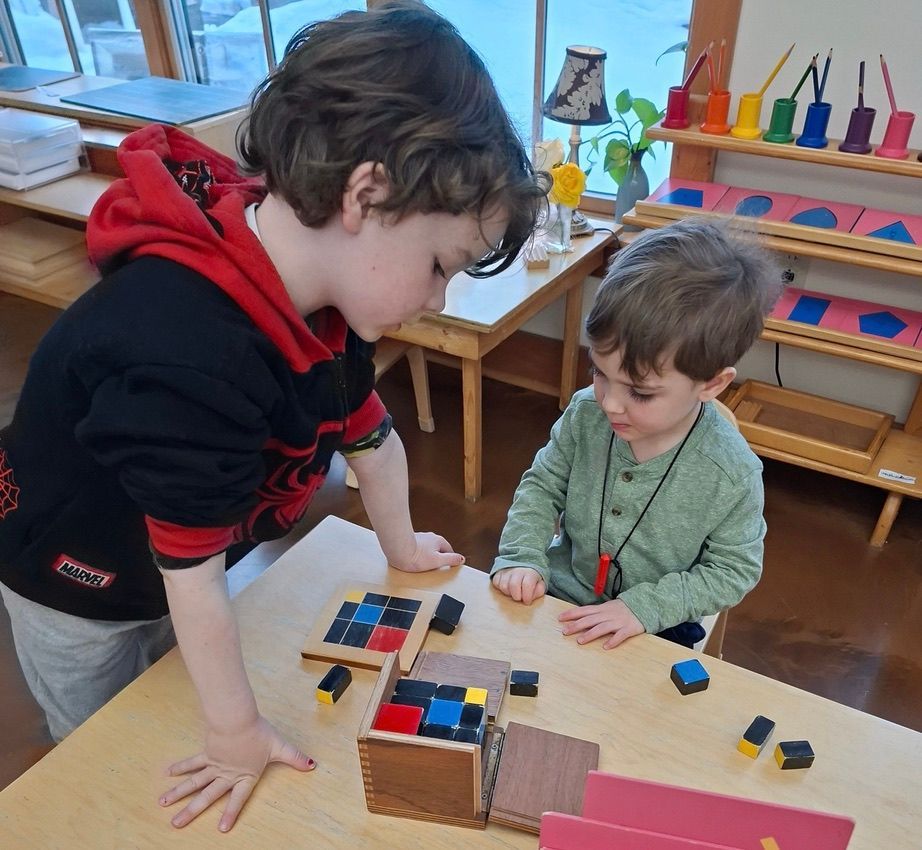
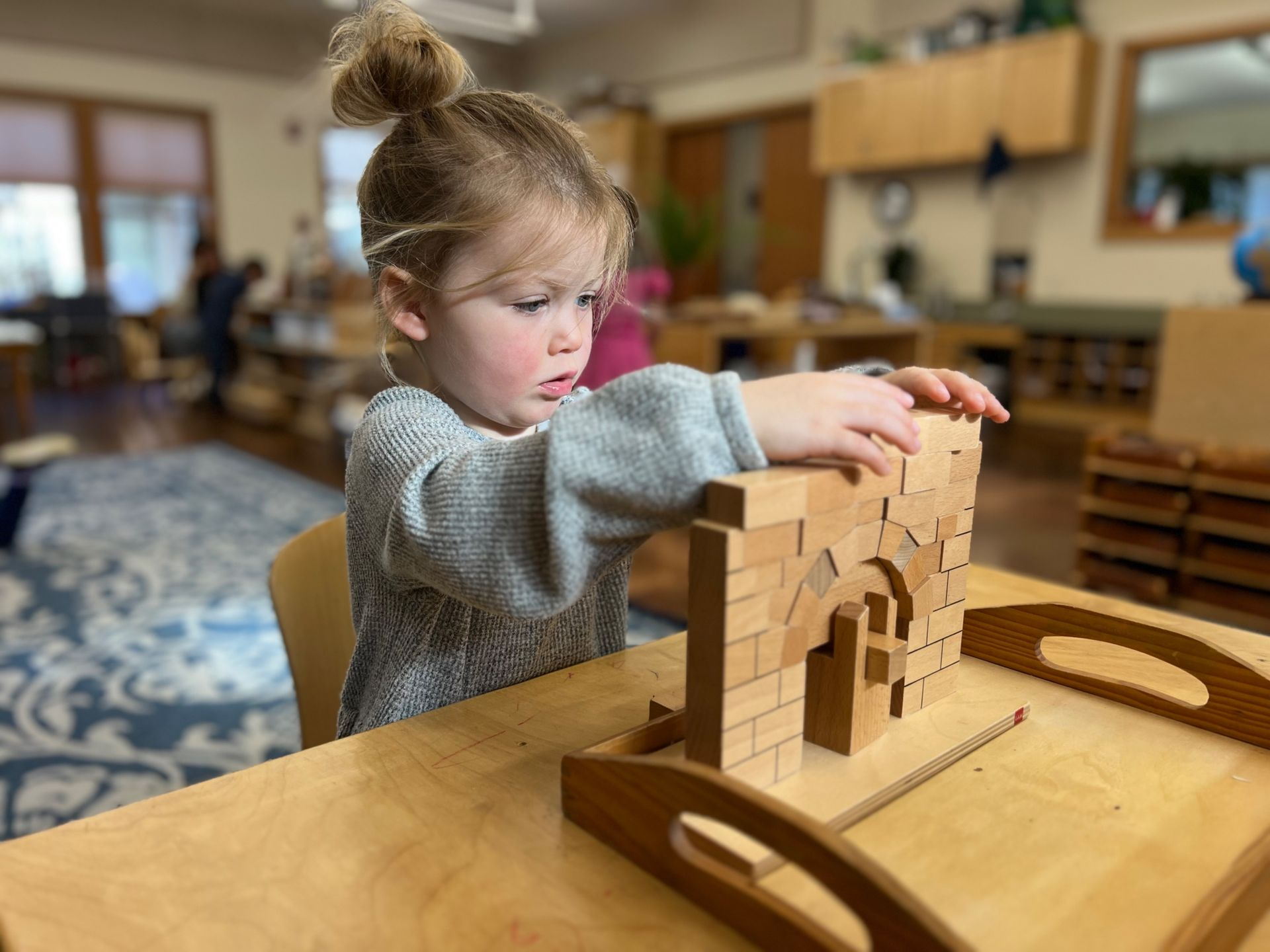
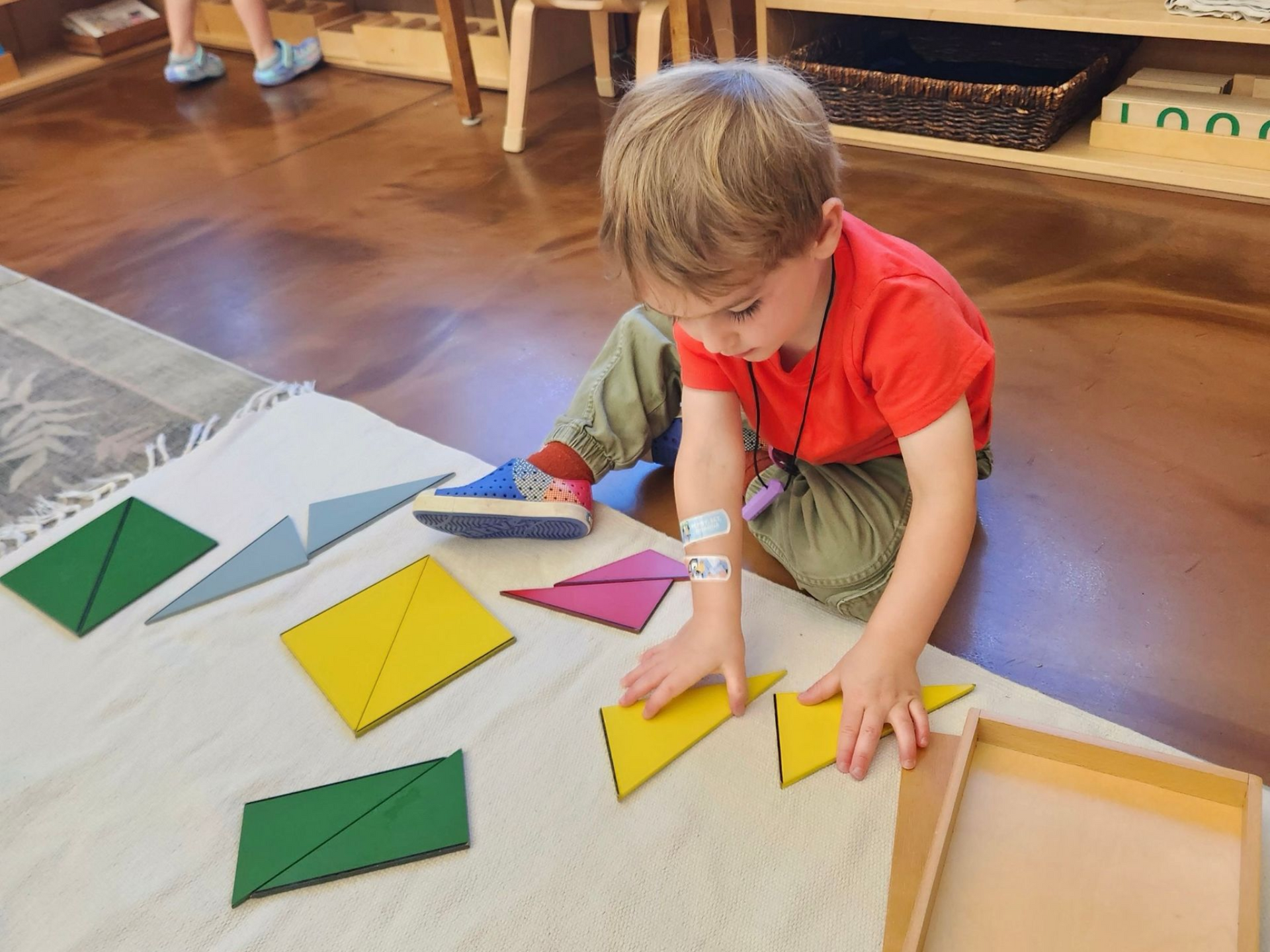
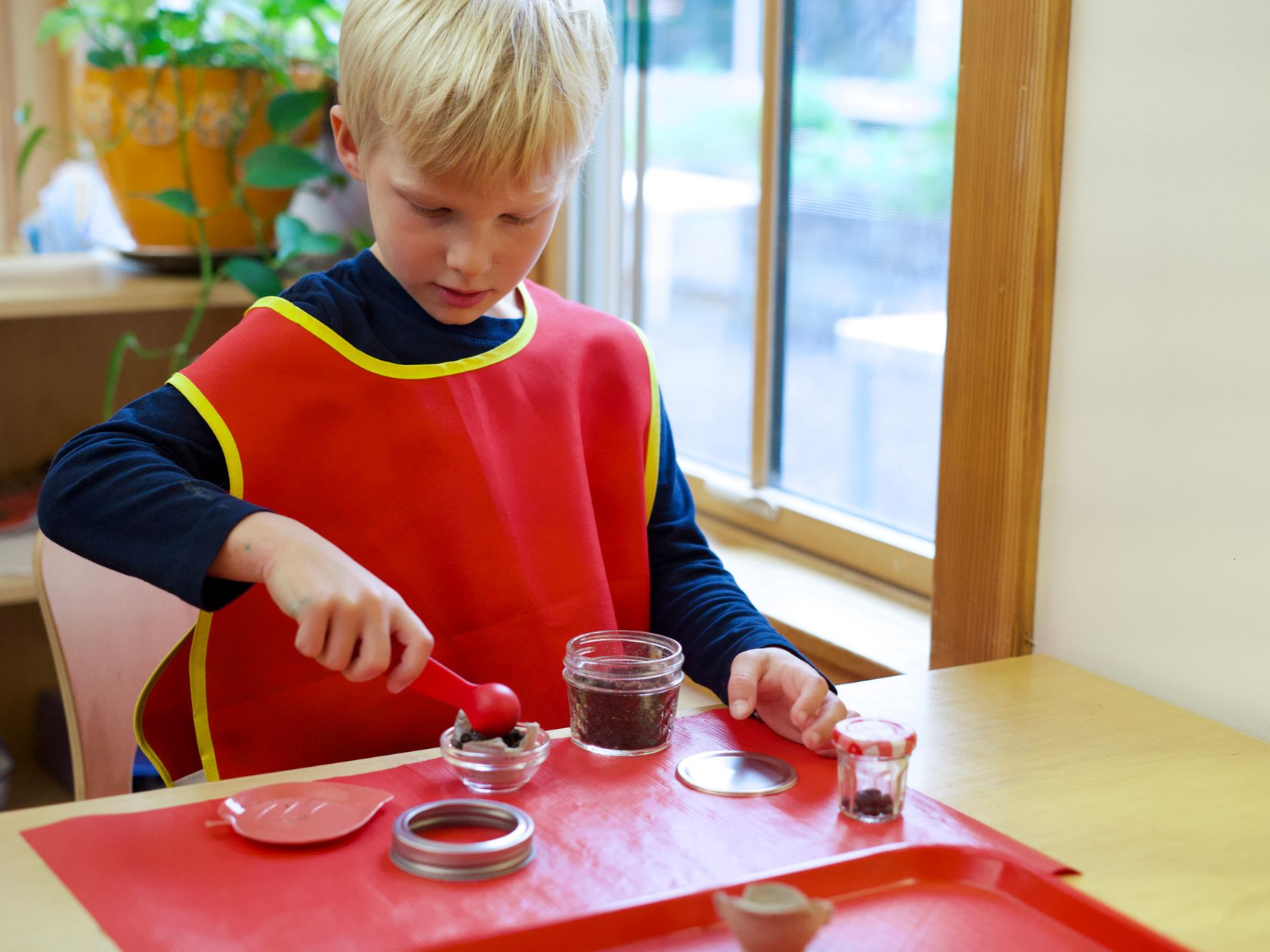
From a very young age, children are trying to exert control over their lives. Children are trying to gain functional independence from birth to about age three. In Montessori classrooms, we offer all sorts of opportunities for young children to develop skills that help them take care of their basic needs. But we don’t stop there! We also provide so many ways children can care for others and for their surroundings.
Once children have mastered pouring from one pitcher to another, they are able to pour water into a vase and arrange flowers to beautify the classroom. After they learn how to sweep, they are quick to notice a spill and rush to get the dustpan and dust brush so they can help. When someone is struggling to zip their jacket, they take pride in sharing their newfound skill in service to someone else’s need.
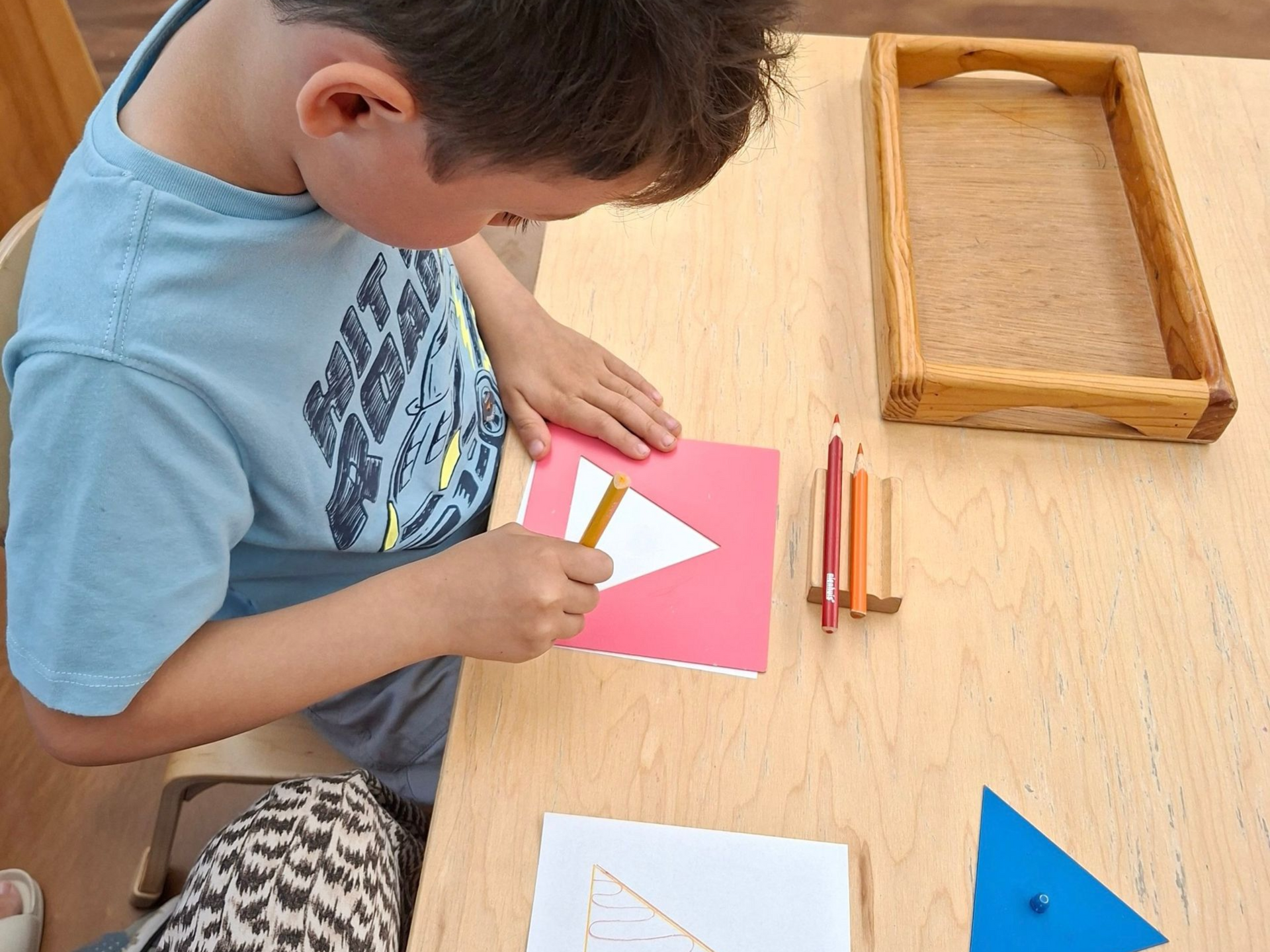
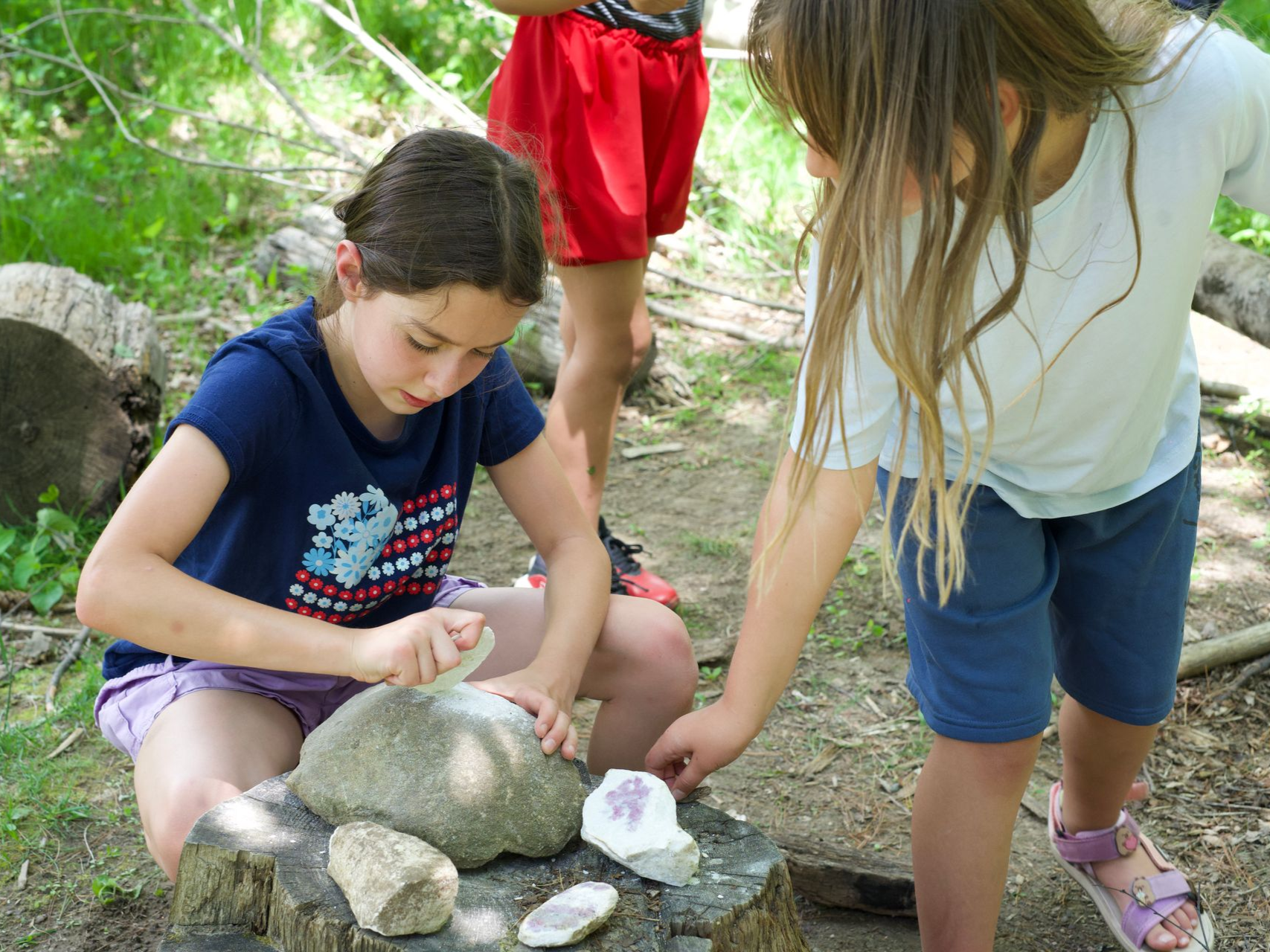
As children move into the elementary years, this service to others often takes on a slightly different form, in part because elementary-age children are developing their intellectual independence. Thus, their contribution often involves applying these newfound intellectual skills. They might notice a classmate struggling to figure out the steps in a math problem and offer support. Or when friends are in conflict, they might provide some mediation to help each party listen to the others’ perspective.
In adolescence, young adults are ready to work toward being socially and economically independent. They want to figure out their place in society, grapple with real problems, and contribute in a useful way. Thus, Montessori adolescent programs offer teens the chance to develop and feel secure in their own abilities while also collaborating in real and meaningful social endeavors. In the process of running a small business, for example, adolescents are applying their intellectual skills from marketing to mathematics, while also navigating how to communicate with customers and collaborate with classmates.
Why is this important?
As humans, we want to achieve independence and belonging. Being independent is about learning the skills to be able to contribute in a meaningful way. All the little conquests of independence–throughout each age and stage of development–matter! When our infant reaches to grasp an object, our two-year-old demands to put their shirt on themselves, our eight-year-old argues about just and fair rules of a game, or our adolescent insists they can solve a problem with their peers, we can remember that these acts of independence are laying a foundation for our children to become part of an interdependent, harmonious society.
Independence is just a step.
Interdependence is the ultimate goal.