
Born to Explore, Work, and Belong: The Deeper Purpose of the Montessori Environment
When most people think about what children need to thrive, they first think of the basics: food, sleep, safety, and love. Abraham Maslow described how fundamental needs (such as food, shelter, and sleep) must be met to satisfy higher spiritual needs, such as belonging, self-esteem, and self-actualization.
What is perhaps less well known is that Montessori education builds on a very similar understanding of human nature and that we carefully design the prepared environment to meet not just children's academic needs, but their deepest human ones. Dr. Maria Montessori wrote generally about human tendencies, and her son, Mario Montessori, reviewed her work to identify specific innate drives and needs shared by all of us, regardless of culture or era. These tendencies don't change. They are part of what it means to be human. And when we give children an environment that honors and nourishes them, something remarkable happens: they begin to construct themselves from the inside out.
The Need to Explore
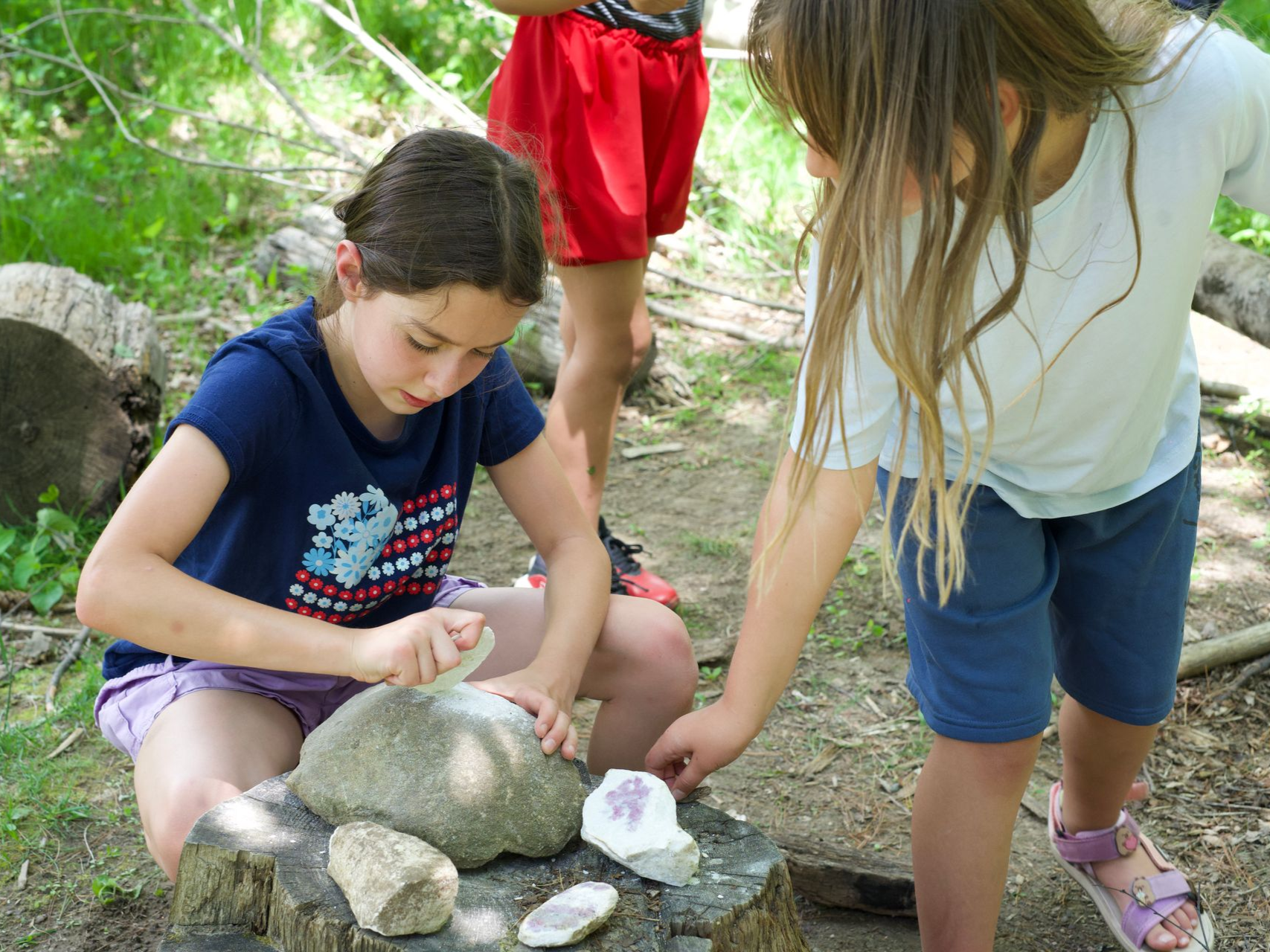
Every child is born with a drive to move, to discover, and to make sense of the world. This drive is a fundamental human instinct. As Dr. Montessori observed, the urge to explore isn't simply about getting somewhere better. It is a primitive, vital impulse to engage with life.
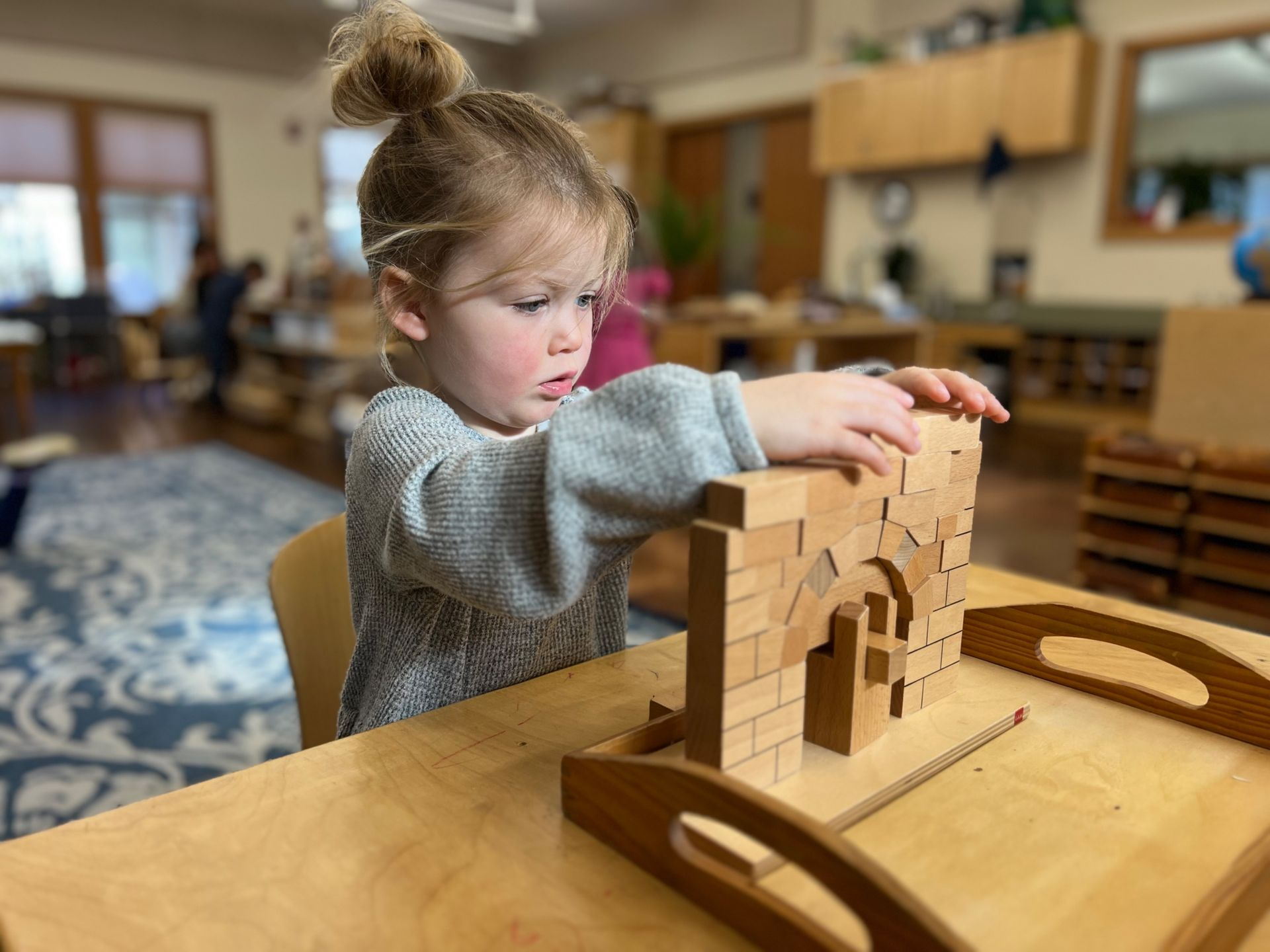
But exploration requires a foundation of security. When children’s environment is chaotic or unpredictable, they must constantly spend their energy simply reorienting themselves. Constant reorientation means they are expending energy on figuring out what's where and what comes next, rather than on curious, joyful discovery. This is why we design Montessori classrooms with such deep intentionality. Materials are always in their place. The order is consistent and reliable. Within this predictable structure, children feel safe enough to truly explore, and through that exploration, they begin to develop an internal order that mirrors the order around them.
The Need to Work
Humans learn by doing. Think of the words of Confucius: I hear and I forget. I see and I remember. I do and I understand. Throughout history, purposeful human work has created civilizations, driven innovation, and provided individuals with a profound sense of meaning and self-worth. Children have this need for meaningful activity within them. They want to work in real ways!
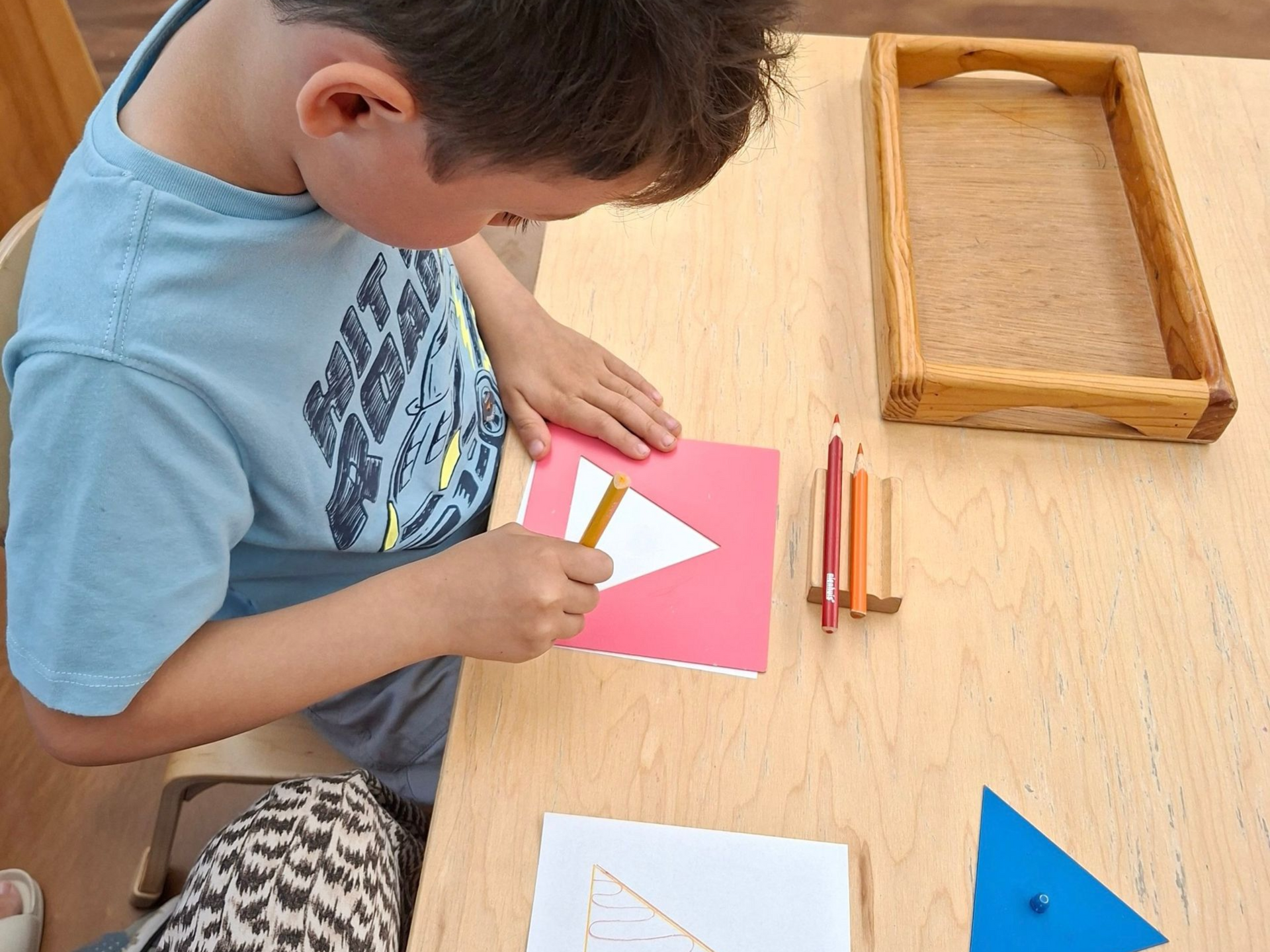
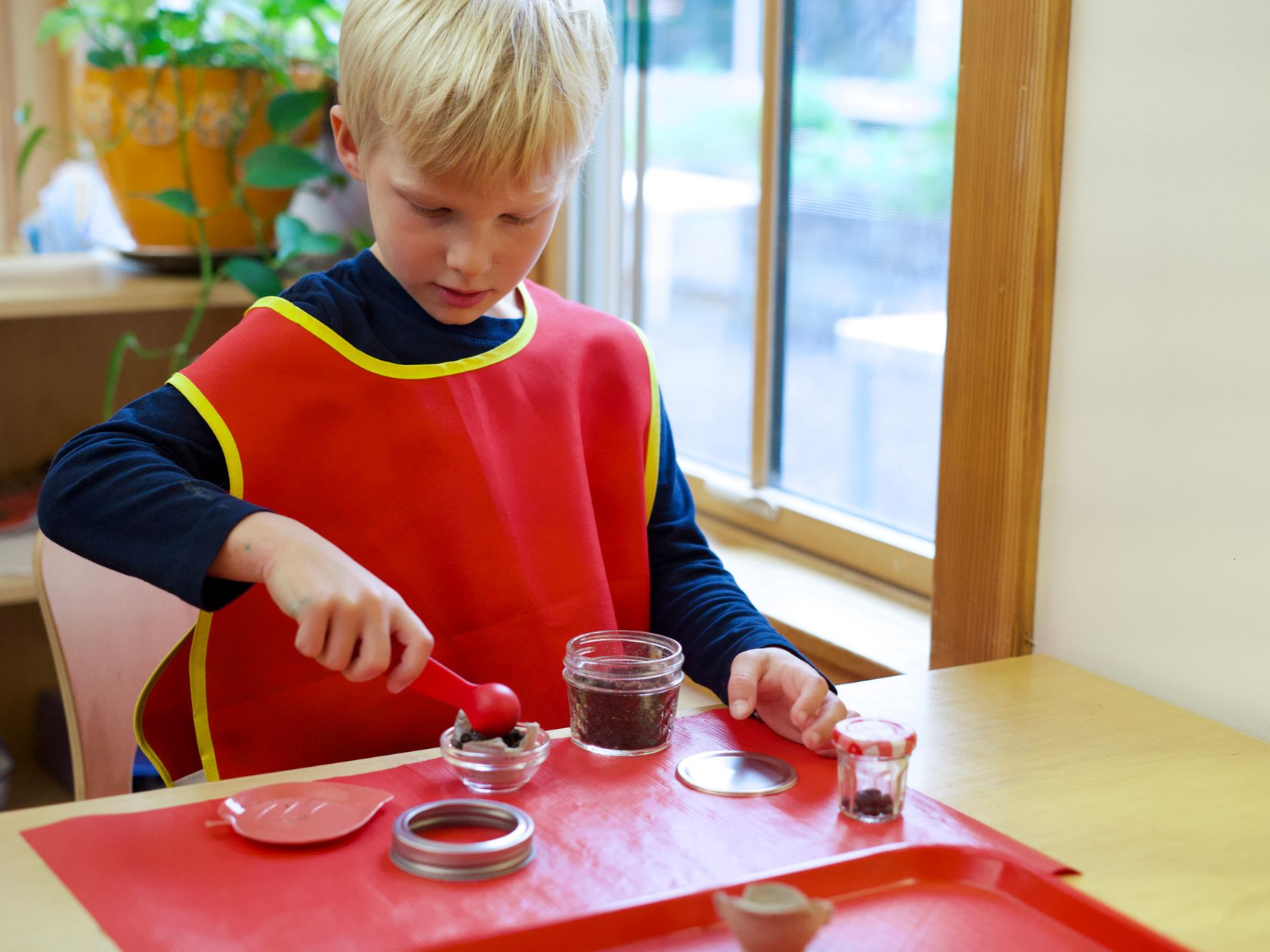
Woven into this human tendency for work is a cluster of connected needs: the need for activity, for manipulation, for repetition, for exactness, and for self-perfection. Montessori materials are designed to honor all of these. They are hands-on, precise, and designed to be worked with again and again. Each time a child repeats an activity, such as pouring water carefully, sorting objects, tracing the shapes of letters, they are integrating mind and body, learning from their mistakes, and moving toward a more perfected version of themselves. They absorb complex concepts through experience, repeated freely and with deep engagement.
The Mathematical Mind
Humans have an innate drive to measure, classify, organize, and make sense of the world in precise ways. Dr. Montessori was inspired by the philosopher Pascal, who wrote that the human mind is mathematical by nature. Knowledge and progress come from accurate observation. Dr. Montessori called this the mathematical mind. And she saw it not as an academic aptitude but as a fundamental human characteristic.
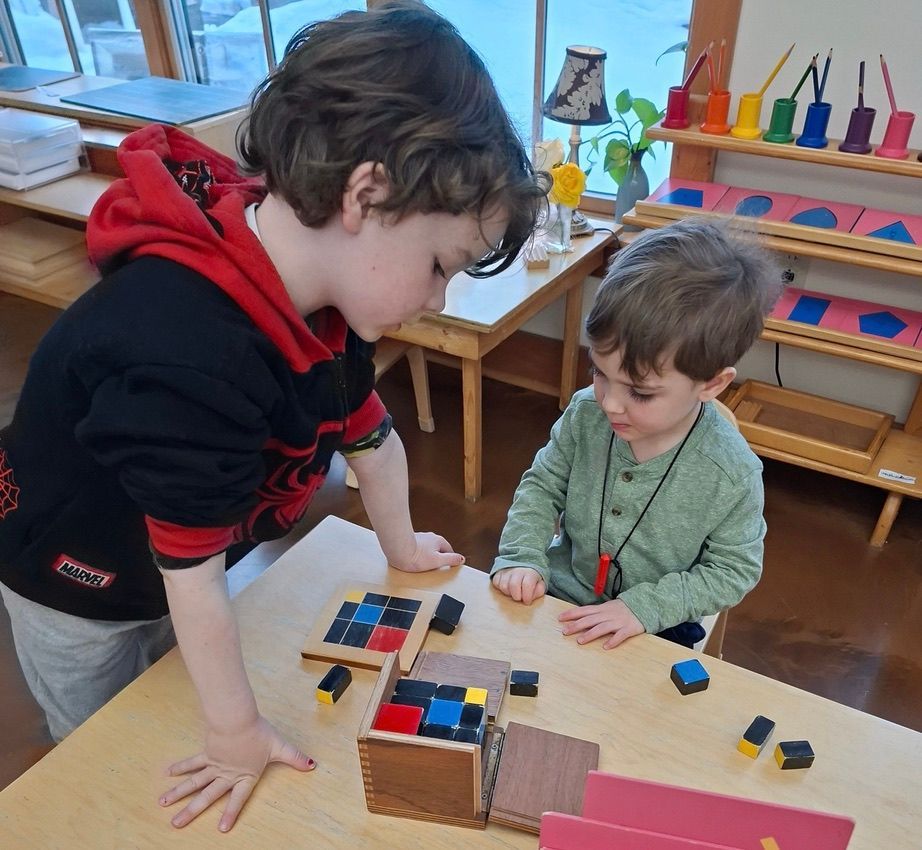
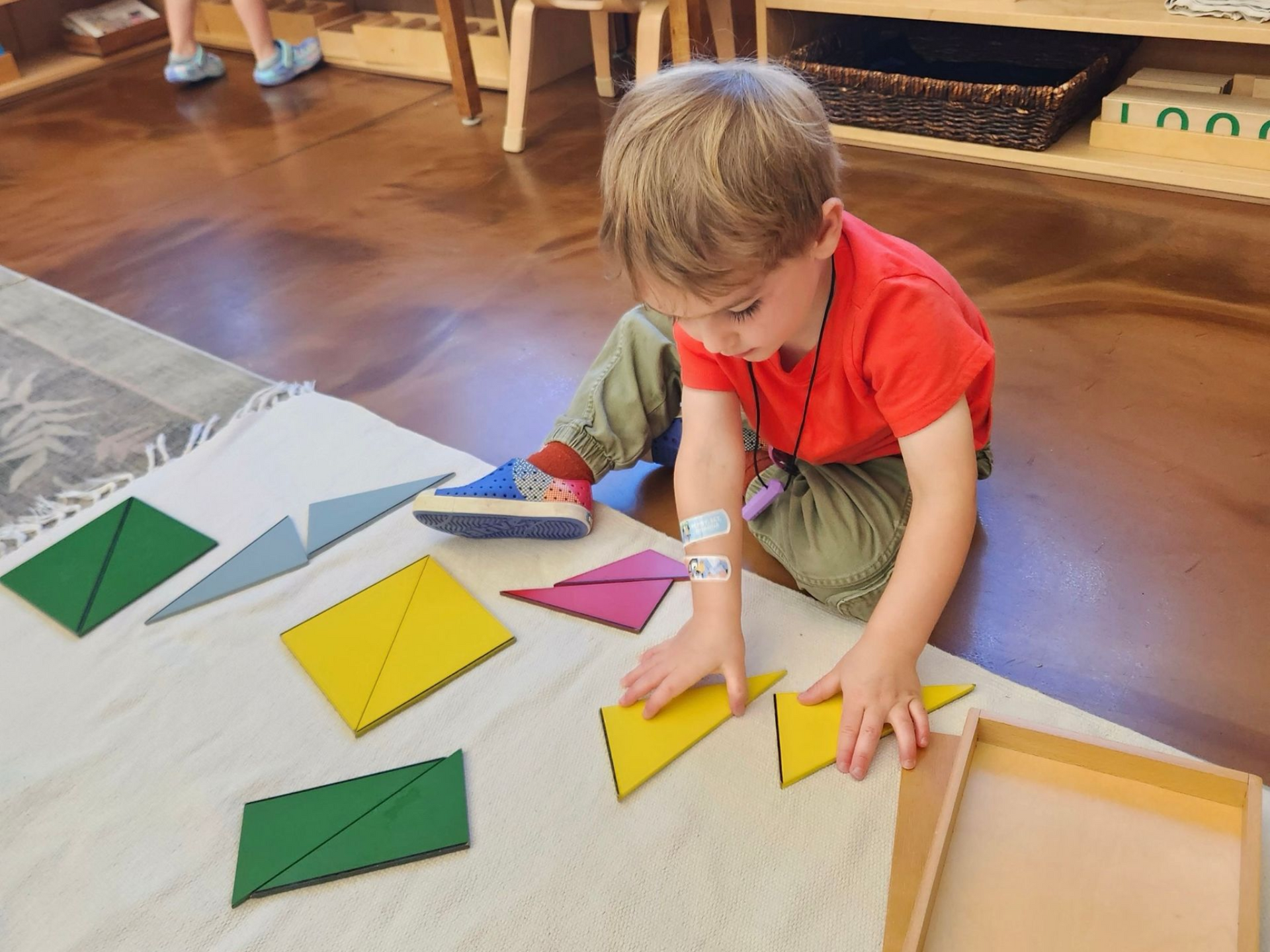
The Montessori sensorial materials are designed with this tendency in mind. Think of the pink tower, color tablets, or geometric solids. When children work with these materials, they are training their powers of observation and building the precise mental framework from which abstract thinking and imagination will eventually grow. As Dr. Montessori wrote, if the true basis of imagination is reality, then helping children perceive the world with accuracy is one of the greatest gifts we can give them.
The Need to Belong
As children engage deeply with meaningful work in the Montessori environment, something shifts. They become more focused. More settled. More themselves. And from this state of inner calm, children begin to experience a natural orientation toward others.
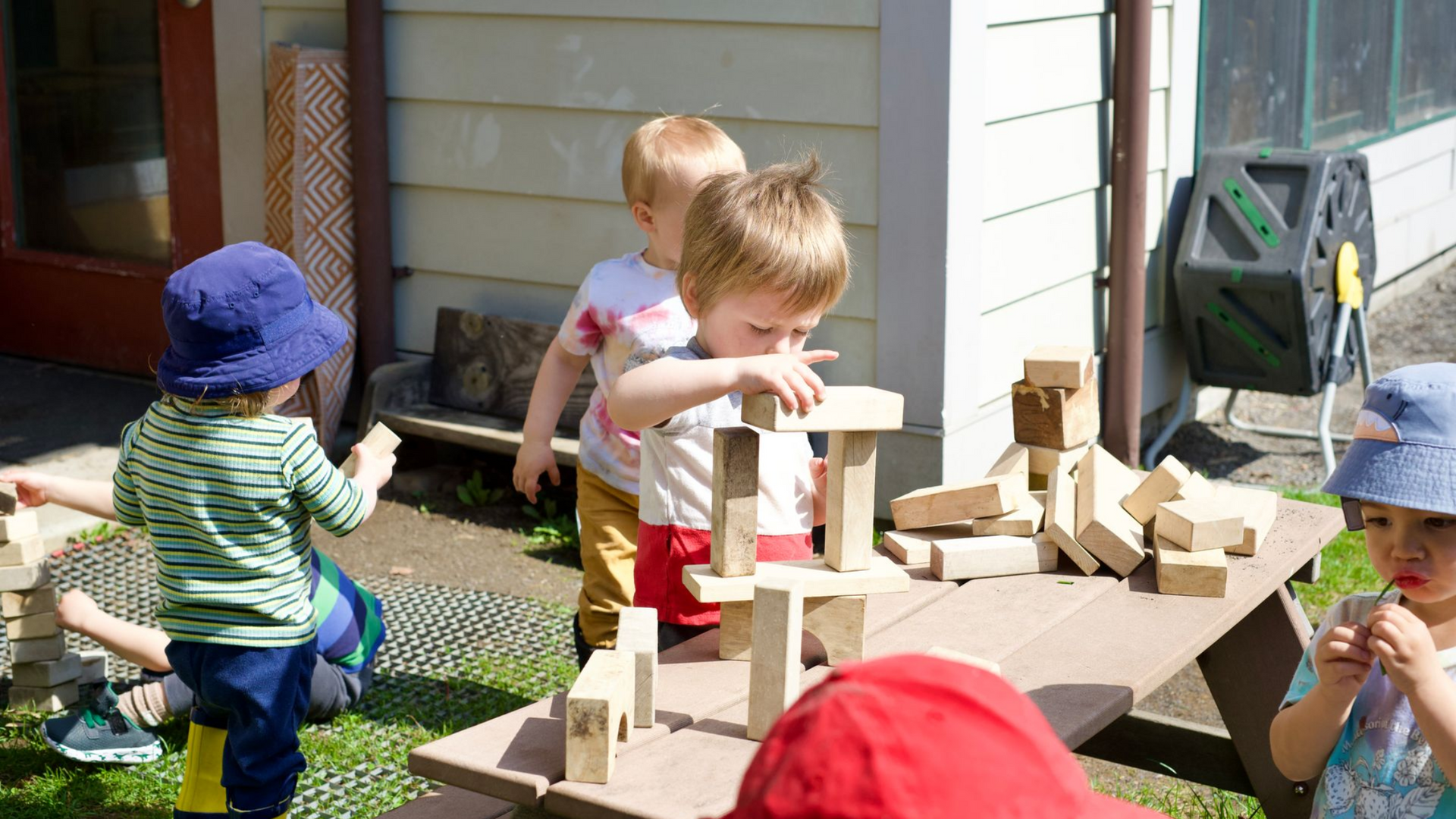
This is deeply human. The drive to communicate, to belong, to understand ourselves in relation to a community, has shaped human civilization from its earliest days. Montessori classrooms are like small, practice societies: mixed-age communities where children learn to work alongside one another, contribute, notice others' needs, and think not only about their own success but also about the well-being of the group. As Dr. Montessori stated, “social integration has occurred when the individual identifies himself with the group to which he belongs.” Individual interests and communal ones begin to align.
We don’t teach this awareness of community through rules or enforce it through compliance. It develops organically when we give children ideal conditions to grow into it.
The Spiritual Dimension
And then there is something deeper still. Something that is harder to name, but unmistakable when you see it.
Humans have always sought meaning beyond themselves. Through art, music, ritual, and community, we reach toward something greater, toward beauty, transcendence, and a sense of connection with life itself. This spiritual dimension of human experience is not reserved for adults. Children feel it too.
Dr. Montessori used music to describe this tendency. Music is exact and beautiful, and when it truly reaches a person, it moves them, literally and figuratively. Something is set in motion, deep inside. Dr. Montessori then drew a direct parallel to what happens when children encounter an activity that genuinely engages them.
When children feel and understand something that arouses their interest, they begin to move. Their movements connect to the work. Gradually, a unity develops in their personality. They repeat the activity with deep concentration. And when they finish, they seem different: happier, more satisfied, calmer, more at rest. Something elevates within them.
This transformation is at the heart of what Montessori education is reaching toward. The classroom is not simply a place where children learn to read and count. It is a place where children are recognized as spiritual beings, where their souls, not just their minds, flourish through movement, engagement, beauty, and understanding.
What This Means for Families
Mario Montessori wrote that every child is born with human tendencies as potentialities, and that children make use of them to build themselves into a person suited to their time. What the Montessori environment does is provide the conditions in which those tendencies can be met, honored, and developed to their fullest expression.
When we nourish children’s needs for exploration, work, mathematical thinking, belonging, and spiritual engagement, they become capable learners and, perhaps even more importantly, whole people who are curious, grounded, socially aware, and at peace with themselves and the world.
And that, as Dr. Montessori always believed, is the foundation for individual flourishing and of a more peaceful society for all of us.
We'd love for you to experience our prepared environment for yourself.
Schedule a visit here in Lenox, MA and see what it looks like when children have the space to truly become themselves..