Shifting from “Stuff” to the Spirit of the Season

All too often the holiday season becomes about “stuff”–presents, decorations, more presents. How do we wean our children away from their focus on getting gifts and instead shift attention to the spirit of togetherness, generosity, peace, and goodwill?
It can be helpful to hold a family meeting and talk about everyone’s feelings about the holidays. We can ask our children about what, besides the gifts, they really like about the holidays. Often memories start to emerge: making gingerbread cookies with Grandma, taking a walk together as a family, ordering take-out Chinese and days-worth of leftovers.
From those memories, you can start brainstorming about what to establish as part of your family holiday tradition, perhaps even exploring new ways to enliven the winter season. Could a family hike followed by hot cocoa be a regular ritual? Coloring and cutting holiday-themed place settings? Decorating cookies to distribute as gifts?
In discussing the holiday, you can also introduce activities that involve giving and service to others. All sorts of studies detail the mental and physical health benefits of selfless service. The term “helper’s high” refers to the chemicals released in our brains when we engage in giving behaviors. Children can be very intrigued by learning about different charities, especially those that are local or important to their families. Part of the process of gift-giving can include choosing a charity and giving a gift in your child’s name or even having your child play a part in delivering the gift.
Another approach is to focus on giving gifts that are really experiences: a trip to a museum, a weekend family adventure, certificates for favorite excursions, cash and a coupon for an outing to the arcade, a day trip with a friend to the trampoline park. Whatever the experience, the focus is giving the gift of doing something, and ideally doing something together, rather than owning an object.
Brainstorming about the types of gifts or experiences we share with friends and family during the holiday season helps open our children up to the idea that gifts don’t have to be an item purchased at a store or online. As you explore this idea with your children, you can offer options such as:
• DYI/Handmade Gifts
• Care Packages
• Video Gifts/Electronic Messages
• Experiential Gifts
• Gifts of Quality Time
• Skill Sharing Gifts
• Donation & Support Gifts
• Food Gifts
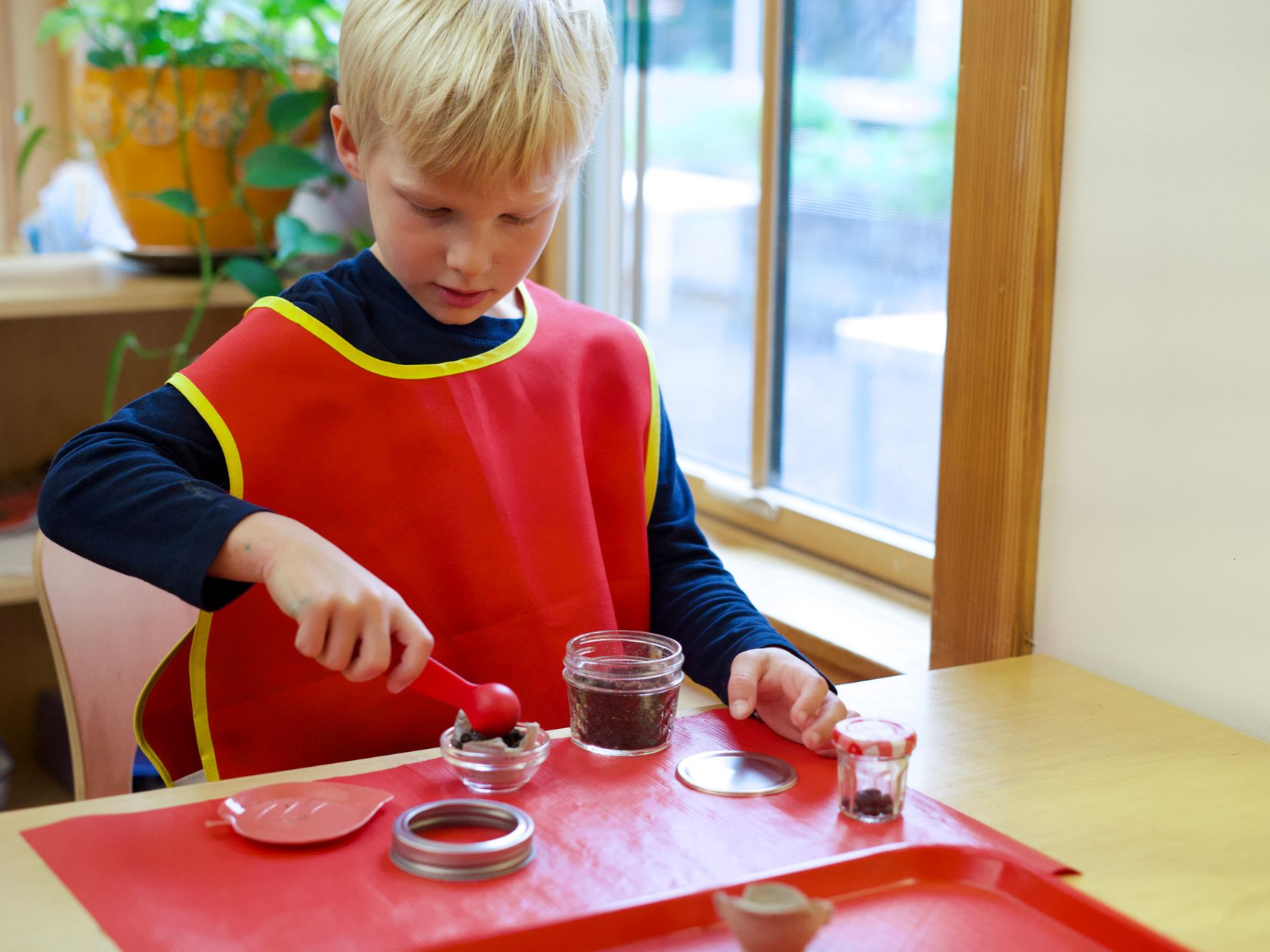
Children can be involved in creating care packages or gift baskets, video collages or audio greetings that can be sent to grandparents, favorite dry goods recipes in mason jars, and coupons for activities or quality time.
We have enough things in our lives. Even if our youngest children aren’t quite ready to give up the idea of getting material presents, we can model both how gifts can take on many different forms and how we can bring more of ourselves to the holiday gift-giving experience.
Likely our children won’t remember a particular toy they unwrapped in 2022, but they will remember what they did with those they love and how they felt while doing it. Perhaps just planning a different kind of giving this year can bring less stress and more joy. What better gift than that?