
Our Montessori Bookshelf: Wordless Picture Books Part 2
Meagan Ledendecker • July 31, 2023
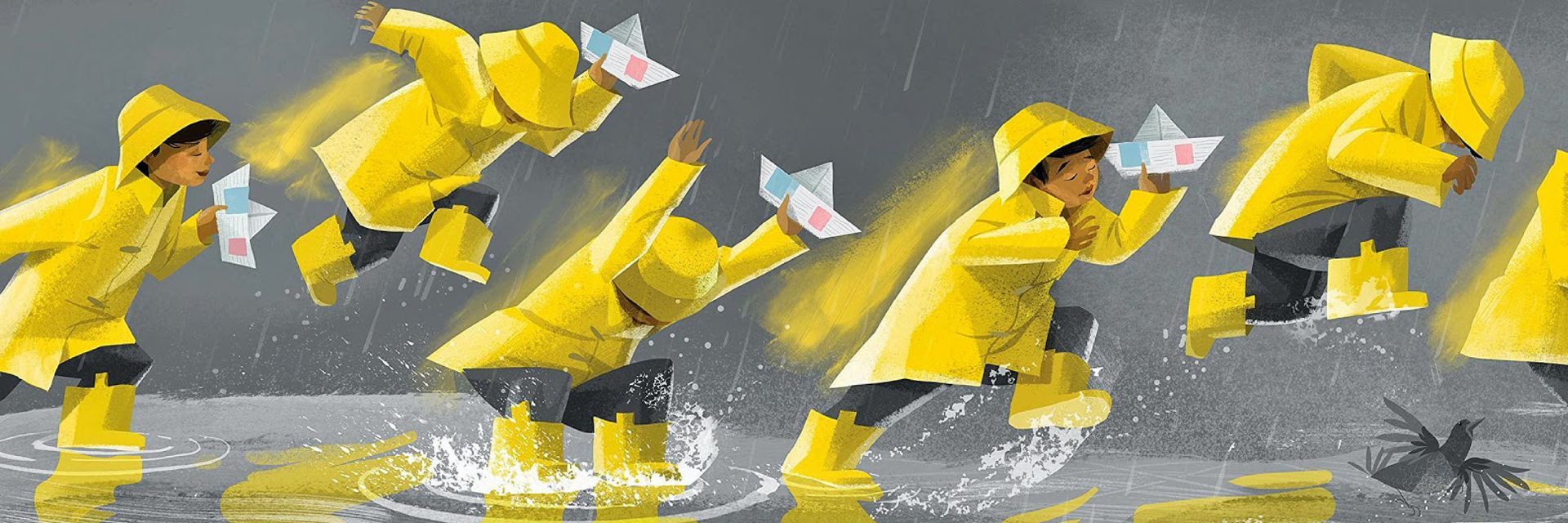
Image from the book Float by Daniel Miyares

Because we love wordless picture books so much, we wanted to share a few more of our favorites. If you are exploring wordless picture books for the first time, or have been enjoying them for quite a while, we hope you enjoy this collection. 


If you are looking for some new ways to “read” wordless picture books, we offer these tips:


  1. When you first look at the book, think about the experience as a picture walk. Notice and discuss the illustrations and details, especially how they tell a story of what is happening.
  2. The next time you explore the same book, take time to name what is happening on each page. This is a little bit like constructing the outline of the story.
  3. The third time you “read” the book, narrate the story as if you were reading text.
  4. After these experiences, invite your child to use their own words to tell the story of what they see. 


These steps strengthen children’s ability to be storytellers. As they “read” wordless picture books, they build the skills for their own future story writing. 


Just a quick reminder that the books we are sharing are grounded in the real world. There are some wonderful fantasy-based wordless picture books for older children, too. Our two-part collection is appropriate for any age!

Float

by Daniel Miyares


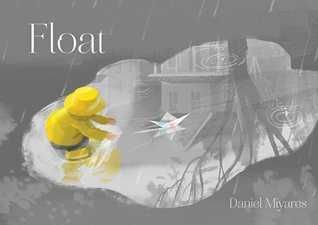
A simple origami boat leads a young boy on a neighborhood adventure. The story begins with a bit of rain and puddles of fun. But what happens when the boat drifts away and through the grate? The arc of the story, as well as the use of color in this book, bring a resounding sense of a young child’s struggle, the support that allows for resilience, and the joy of possibility.

Image of book cover for Float by Daniel Miyares

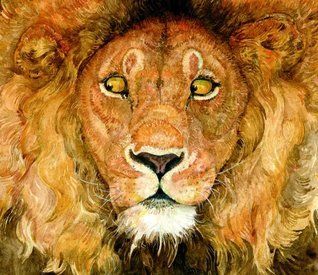
The Lion and the Mouse

by Jerry Pinkney


Based on Aesop’s fable of the same name, this richly illustrated book uses every space on the page to show the expansiveness of the African Serengeti and the power of relationship. The story begins when a mouse escapes an owl, only to find itself on the back of a lion. Given the gift of freedom, the mouse returns the favor when the lion gets caught in a trap. The illustrations are enhanced by the sounds in written form. The squeaks, growls, roars, and scratches remind us of the power of communication in all its forms!

Image of cover for book The Lion and the Mouse by Jerry Pinkney
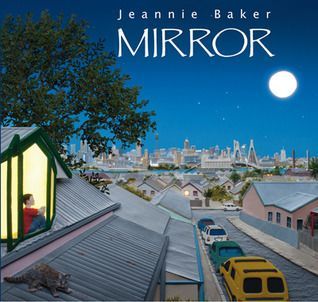
Image of cover of the book Mirror by Jeannie Baker

Mirror

by Jeannie Baker


Inspired by her travels and the idea of seeing ourselves reflected in those who could be considered strangers, Baker has created two stories within one book: one set in southern Morocco and the other in her home of Sydney, Australia. Each story follows a family throughout their day, from waking up to meals to errands to time as a family. The lives of the boys in each story may look very different, yet Baker offers a delightful challenge to find what connects them. 

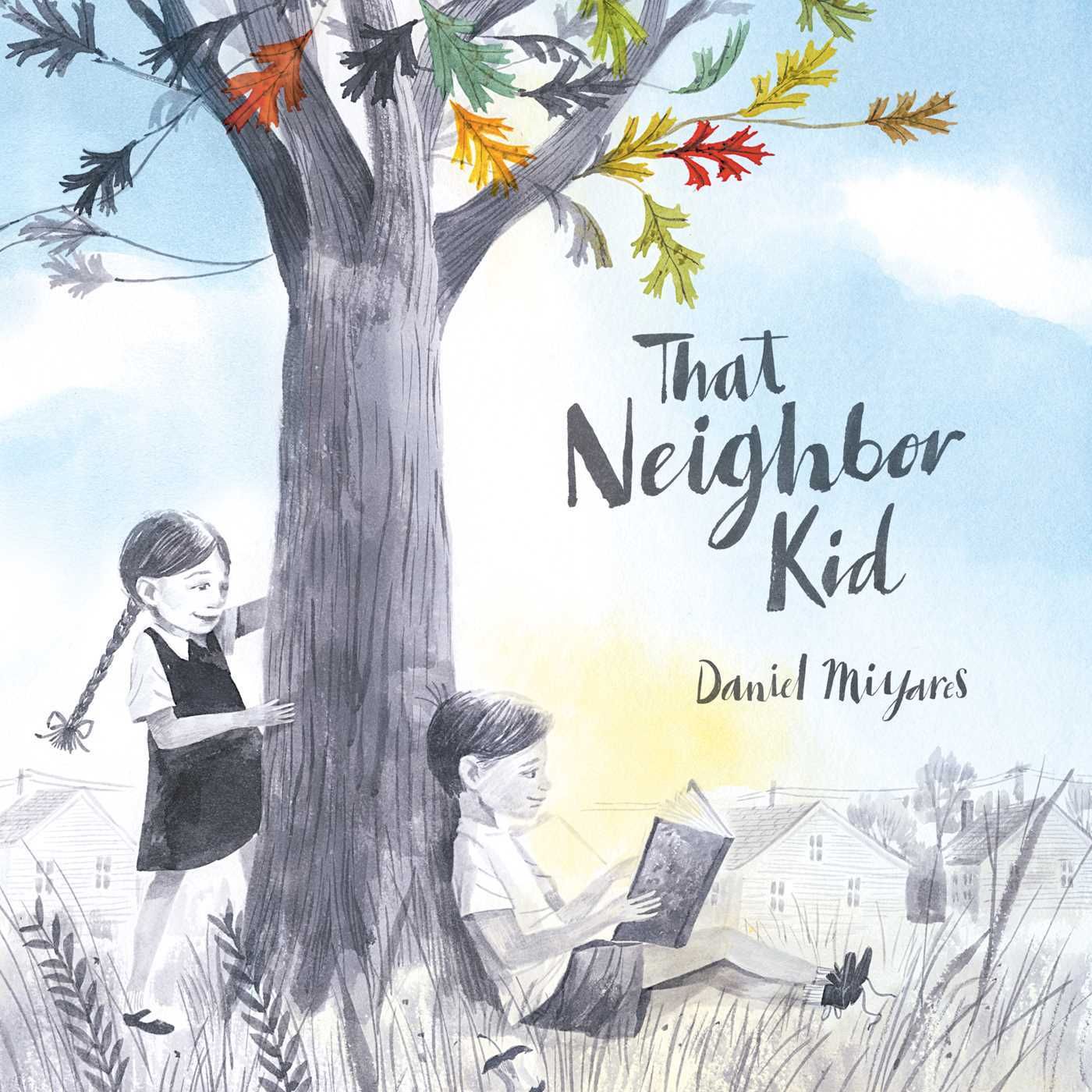
That Neighbor Kid

by Daniel Miyares


When a new boy moves in next door, a young girl’s curiosity gets the best of her especially after he uses planks from the fence to create a ladder up a tree. When she goes to investigate, she discovers not only a new friend but also the power of collaboration. As they create a treehouse together, even the leaves of the tree come to life with color and joy.

Image of the cover of the book That Neighbor Kid by Daniel Miyares

Click here for a downloadable PDF of this booklist! We hope you and your children enjoy these books as much as we do!
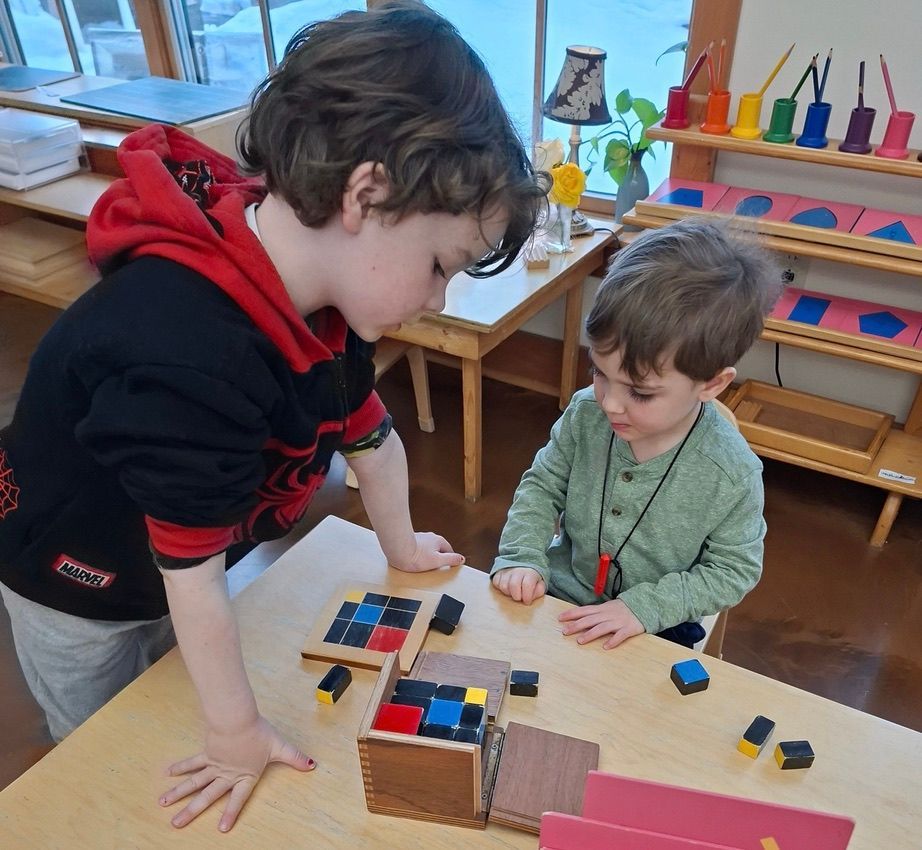
Image of three elementary students sitting at a table with red equivalence shapes set in green frame
By Meagan Ledendecker January 27, 2026
Discover how Montessori geometry introduces equivalence through hands-on exploration, helping children build deep understanding of area, fractions, and mathematical reasoning.
Image of three elementary students holding a triangle of rope between them
By Meagan Ledendecker January 26, 2026
Explore the Montessori story of geometry’s origins, from ancient Egyptian rope-stretchers to modern classrooms, inspiring children’s wonder and curiosity.
By Meagan Ledendecker January 19, 2026
A Montessori approach to understanding disrespect: why children use strong words, how adults can stay calm, and ways to protect connection over conflict.
Image of a preschool aged girl sitting at a small table with a tray of painting supplies
By Meagan Ledendecker January 12, 2026
Discover how a Montessori prepared environment—at school or home—supports independence, peace, and purposeful activity through thoughtful design.
IImage of a preschool aged girl kneeling on a carpet working with tens, hundreds, and thousands
By Meagan Ledendecker January 5, 2026
See how Montessori math builds true understanding through hands-on materials, nurturing every child’s natural mathematical mind from concrete to abstract.
image of an adult sitting on a couch talking on the phone with a child standing next to her
By Meagan Ledendecker December 29, 2025
Turn moments of interruption into opportunities for connection. Learn Montessori-inspired ways to help children feel secure, patient, and respected.
Show More