
5 Ways to Support Independence as They Grow
Meagan Ledendecker • September 5, 2021
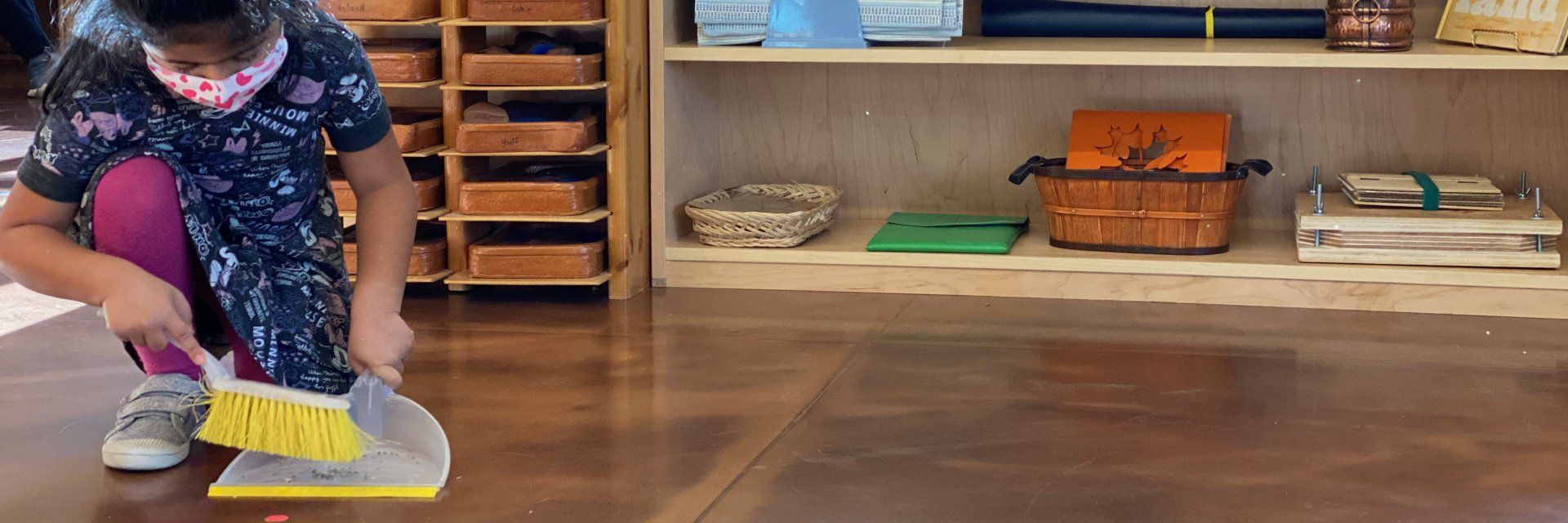
pre-school aged child sweeping the floor with dustpan and brush

“The child's development follows a path of successive stages of independence, and our knowledge of this must guide us in our behaviour towards him. We have to help the child to act, will and think for himself. This is the art of serving the spirit, an art which can be practised to perfection only when working among children.” – Dr. Maria Montessori


It’s nothing new to hear us advocating for children’s independence. After all, it’s a cornerstone of our Montessori practice, and we believe one of the most important keys to supporting children’s development.


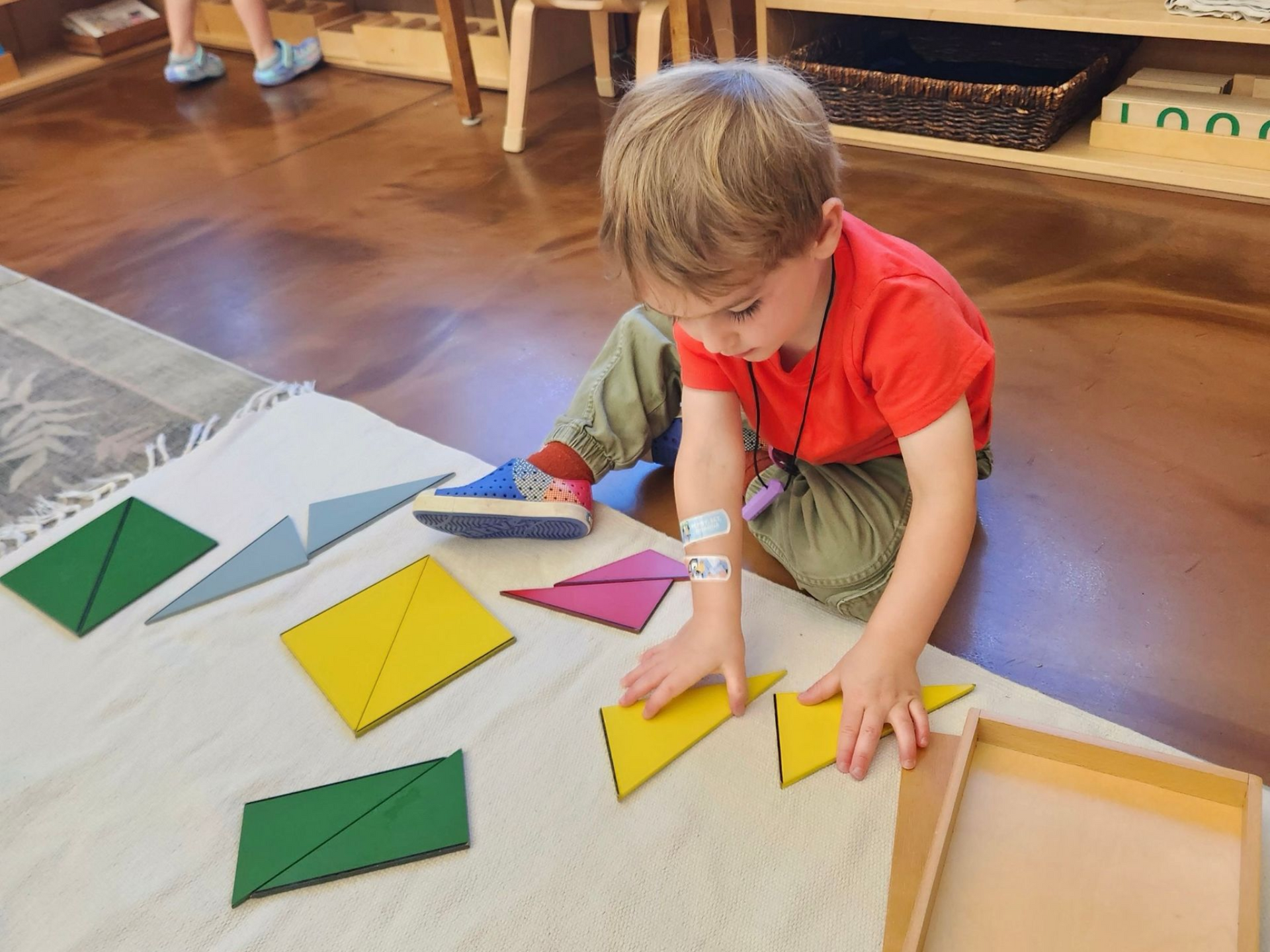
It’s also no surprise to consider that independence looks vastly different depending on your child’s developmental stage. When we meet a child where they are and offer them opportunities to do things for themselves, it’s simply amazing to encounter what they are capable of.


Here are a few ideas that parents can consider when aiming to support their child’s independence.


Infants: Freedom of Movement

Our sweet newborn babies don’t ever stay little for long. Before long they are working to roll over, scoot, sit, crawl, stand, and even walk. These milestones are so exciting as they happen, but in hindsight they seem to zip by in a flash.


Figuring out how to move independently is one of your baby’s most important tasks. They are driven to do so instinctually, and as adults we can be there to support this work.


One choice that some parents make is to give their infant a floor bed. Rather than being confined to a crib, this allows your growing baby an opportunity to independently explore their environment when they wake in the morning. Using a floor bed means creating a bedroom environment that is completely safe and developmentally appropriate for your baby to explore independently. Consider laying soft carpet on the floor and having a low shelf with simple toys they can access. Many parents find that rather than awaiting their child’s cries to be lifted from a crib in the morning, the child instead spends quite a bit of time moving and playing quietly.


Another big tip we have for parents of infants: when your child is learning to walk, they’re not very good at it. The only way for them to get better is to practice, and they have a strong drive to do so as much as possible. Although it may force us as parents to slow down and plan extra time into our schedules, consider relying a little less on carrying and strollers (although they certainly have their place in our routines) and a little more on giving your child time to use their own developing skills.


Toddlers: Dressing

This section is perhaps the most fun in this entire article. Toddlers learning to dress themselves is not only an important skill, but it is, frankly, adorable.


Start simple and give limited choice. Let your child choose between two different shirts, then show them how to go about putting it on. In the beginning, they will need lots of help, but as time goes on resist the urge to insert their tiny hands into the sleeves and give them a chance to figure it out. They will. It will take some time and many unsuccessful attempts, but each time they try they will get closer to being able to do it themselves.


As time goes on, your child might select their whole outfit. Another practical tip is to choose (or have them help you choose) a week’s worth of outfits ahead of time. Hang enough low hooks on your child’s bedroom wall and allow them to choose their clothing and get dressed each day. As with everything, this will be slow going in the beginning, but in the long run the independence gained will not only save time but instill critical feelings of confidence.


After taking the above mentioned steps, all that’s left to do is sit back and enjoy the interestingly paired items of clothing and the smile on your child’s face.


Primary-aged: Helping Tasks

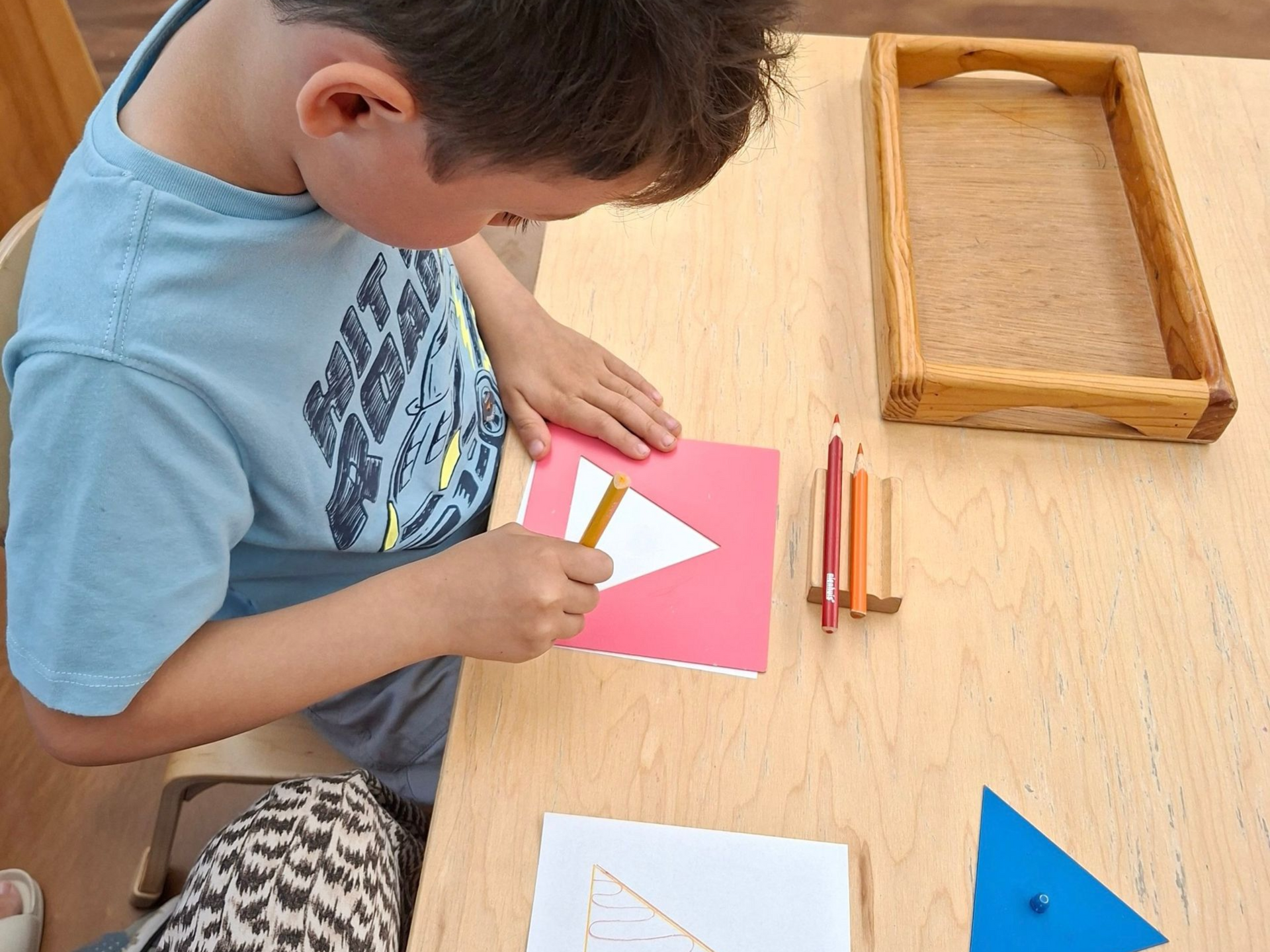
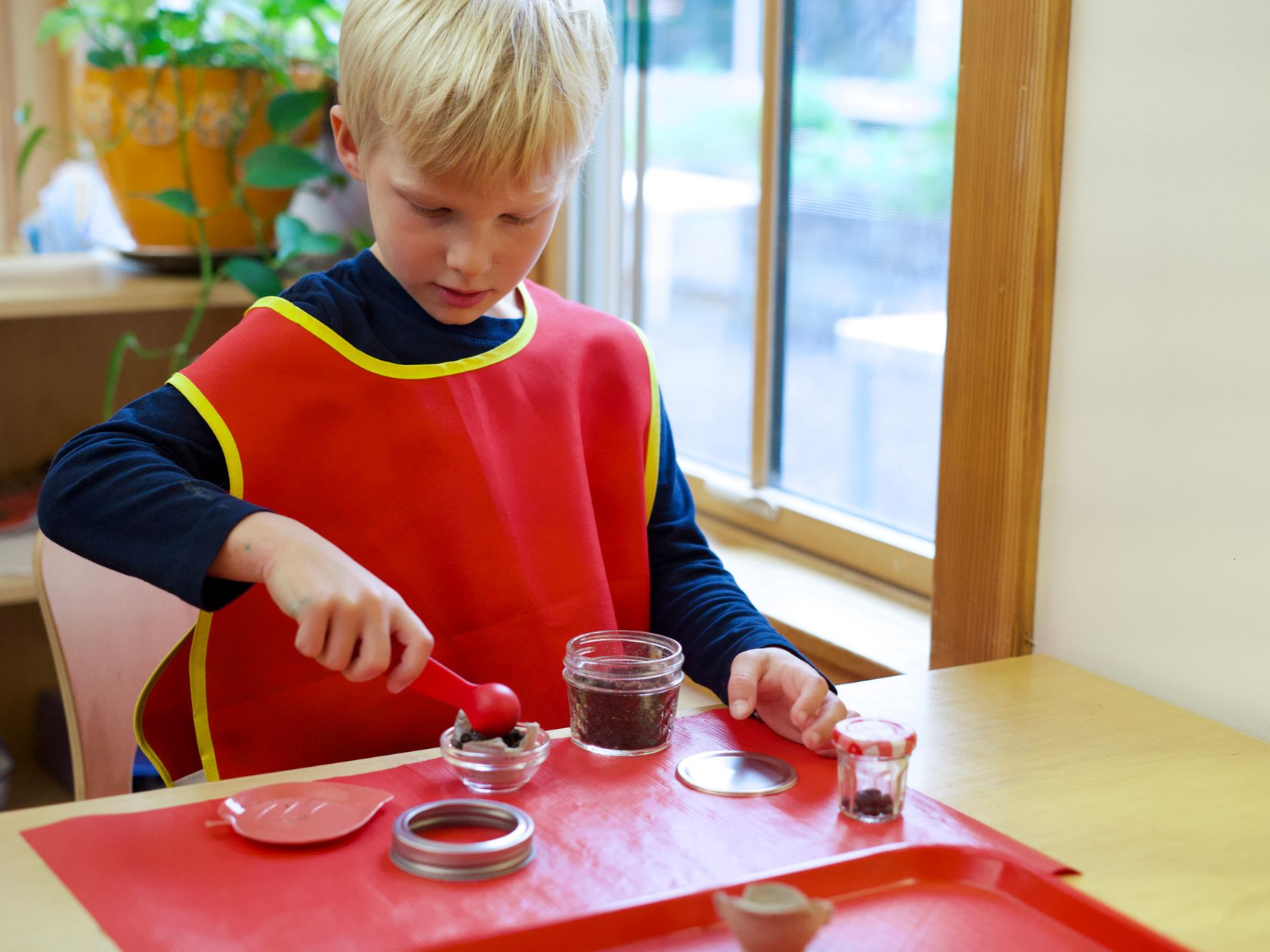
Shocking but true: between the ages of three and six, children LOVE chores. By helping them learn and engage in important daily tasks while they are young, you are instilling habits that will last a lifetime.


Our children watch us go about our daily lives and they want to be a part of what we do. They want to be like us, so when they see us sweeping the floor, they want to help. From dusting, to laundry, from cooking to caring for pets and plants, your child wants in on the fun. Let them!


There are countless tasks that young children are fully capable of completing (or at the very least, assisting with). Rather than list them here, we share some general guidelines to help the process along.


  • Follow your child’s interests. They will let you know, whether by actions or words, what they want to try.
  • Carve out time to slow down and let this work happen. Will it take them ten times longer to sweep up their own spill than if you did it for them? Absolutely. But putting the time in now is well worth it in the long run.
  • Embrace mistakes. Teach them to embrace mistakes. Mistakes are how we learn.
  • Learn to view chores as contributions we all make to our families. By working together (children included), everyone is part of a team. With this mindset, your child will take great pride in their work.


Elementary-aged: Trust Moments

This step varies significantly from child to child and in each family. Your family’s values and comfort level, combined with your child’s individual development and abilities should be carefully considered.


During the elementary years, your child is ready to start setting off on their own in tiny ways. Letting them do so can feel thrilling for them, yet completely nerve-wracking for us. Take it slow and talk a lot about what each added freedom entails.


Basically, you are finding small ways you can give your child opportunities to be safe, trustworthy, and independent. Some examples:


  • Playing alone in the backyard. Discuss clear boundaries and expectations. In the beginning, you may be watching like a hawk from the kitchen window, but in time this will become a great option for your child as well as for you.
  • Retrieving items at the grocery store. Start small by asking them to grab something within your line of sight, but gradually ask them to retrieve an item from one or two aisles over. As a bonus, this will speed up your shopping trip!
  • Walking the dog/getting the mail. Similar to playing alone in the yard, set clear safety rules and talk about “what ifs”. What will your child do if they hear a car coming? What if the dog tries to chase a squirrel? Ask these questions repeatedly until you feel confident they fully understand.
  • Going to a friend’s house. This may not be something new, but as they get older children will want to spend more time with their friends. Again, talk about how they might handle various situations, but also discuss how they might contact you if they need to.
  • Babysitting. In the beginning, this might mean your eight-year-old reads to their four-year-old sibling while you cook dinner. By the end of the elementary years, however, your child might actually be ready to take on some real babysitting jobs.


Adolescents: Exploring Interests

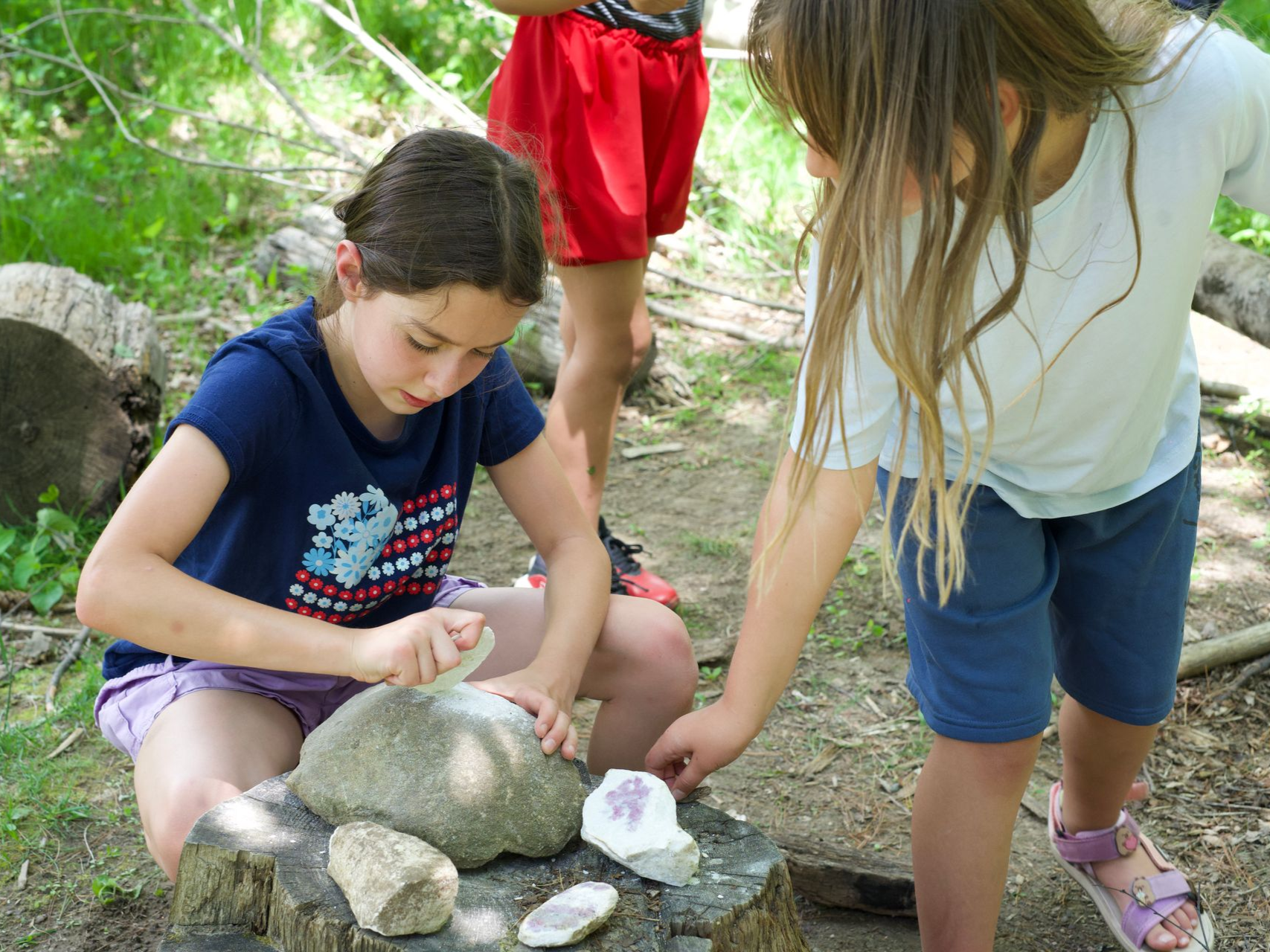
As your child leaves their younger years behind and inches toward adulthood, they will naturally begin to explore different interests as they figure out who they are and what they like. All they really need from us is to support this exploration. This will range significantly, from hobbies to potential careers.


We spend many years caring for our children when they are young and giving them every advantage possible so that they may grow to become successful and satisfied adults. Nothing can quite prepare us for this eventuality, though. And what we imagine our child blossoming into can be very different from the future they imagine for themselves. In these moments, we like to remind ourselves that we have worked hard to guide our child’s independence. They are individual human beings capable of making hard decisions. They will make mistakes, but they will also surprise us.


Our children often turn to us for guidance and support throughout adulthood. Perhaps the greatest feeling of all is to step back and appreciate that this unique human being, who steps out to make their mark on the world, let us hold their hand for a few years while they figured out how to do it.
Image of a toddler sitting at a table with arms raised in celebration while a smiling adult looks on
By Megan Ledendecker March 16, 2026
For children in the first three years of life, adults are not simply caregivers or teachers. We are models of movement, language, emotional regulation, and relationships. Learn more in this post.
Close up image of a child's hands holding a small green square card printed with the word
By Meagan Ledendecker March 9, 2026
In this blog post, learn more about how Montessori classrooms help children bring to consciousness language they already use every day by learning about how language functions and how meaning is carried when words stand in for each other.
Image of a toddler sleeping face down on a mat with a brightly colored blanket
By Meagan Ledendecker March 2, 2026
March 1 marks Baby Sleep Day, so we thought we’d take a moment to reflect on the alignment between Montessori philosophy and modern sleep science. In Montessori, we focus on independence as a path toward self-sufficiency. This is a gradual, mindful process of becoming capable. For our youngest children, this journey begins with mastery of the most fundamental human needs: eating, toileting, and sleeping. These areas matter deeply because they are ultimately under a child’s control. No one can make a child eat, use the toilet, or sleep. Our role, then, is not to force outcomes but to remove obstacles. As adults, we can provide thoughtful structure and support children as they develop the skills that build confidence and trust in their own bodies. Language Shapes Our Intentions In Montessori, our language reflects our values. For example, we don’t talk about “toilet training.” Instead, we focus on “toilet learning” because children are learning how to care for their bodies within the cultural norms. We are not training behavior. We are supporting development. The same is true for sleep. Rather than “sleep training,” Montessori invites us to think in terms of supporting independent sleep skills. We help children learn how to settle their bodies, self-soothe, and eventually fall asleep independently, all skills they will rely on for the rest of their lives. Why Sleep Matters So Much Research continues to affirm that sleep is foundational. Healthy sleep supports brain development and learning, emotional regulation, physical growth and immune function, and memory and attention. During sleep, children’s bodies perform essential functions, including muscle growth, tissue repair, protein synthesis, and the release of growth hormones. Deep sleep stages are when the most restorative processes occur. How Sleep Works  Two systems guide sleep: circadian rhythm and sleep pressure. Circadian rhythm is the body’s internal 24-hour clock, regulated by light and darkness. When it’s dark, the brain releases melatonin (the sleep hormone). When it’s light, melatonin decreases, and cortisol helps us wake. This is why darkness supports sleep, blue light from screens disrupts it, and consistent bedtimes matter. Newborns are not born with a mature circadian rhythm. It begins developing around six weeks and becomes more established around three months, which explains why early baby sleep can feel unpredictable. The other factor is sleep pressure. The longer we’re awake, the stronger the drive to sleep. This pressure builds during the day and resets after a long stretch of rest. When children miss their sleep window and become overtired, stress hormones (adrenaline and cortisol) kick in, creating that familiar “second wind.” Suddenly, a child who desperately needs sleep seems wired and alert. Understanding sleep pressure helps us time sleep before children tip into exhaustion. A Montessori Framework for Healthy Sleep To support both healthy attachment and independence, Montessori encourages clear, loving boundaries. Sleep is no different. We can focus on four key factors: a prepared sleep environment, predictable and respectful routines, healthy sleep associations, and limits with flexibility. A Prepared Sleep Environment Just as we prepare our Montessori classrooms, we want to be intentional about preparing our child’s sleep space at home. Key components include ensuring that the space is: Dark (blackout curtains help melatonin production) Quiet and calm Free of stimulating toys Slightly cool A good question to ask ourselves is: Would I easily fall asleep here? Predictable, Respectful Routines Children feel secure when they know what comes next. A simple home routine might include: The final feeding Putting on pajamas Toileting/diapering Tooth brushing A short story or song A hug and kiss goodnight Long baths or extended reading are best before the sleep window, not during it. Healthy Sleep Associations Children form associations with the conditions present when they fall asleep. If a child falls asleep being rocked, fed, or held, they will often need that same support during natural night wakings. Instead, we want to place a child in bed drowsy but awake, so they can practice falling asleep independently. Comfort objects, such as a small blanket or stuffed animal, can support this process. Limits with Flexibility Sleep needs change as children grow. Consistency matters, but we don’t want to be unnecessarily rigid. It’s important to keep in mind, though, that older children may test boundaries, delay routines, or negotiate endlessly. Calm, consistent follow-through reassures children that the structure is dependable. And just as importantly, adults need support, too! Holding limits is much harder when we are sleep-deprived, so self-care is essential. Why Independent Sleep Is an Act of Care Babies naturally cycle through light and deep sleep many times each night. When they wake briefly between cycles, a child who knows how to self-settle can drift back to sleep without distress. Independent sleep skills: Reduce frequent night wakings Support early morning sleep Improve mood and learning Protect parents’ well-being Plus, poor sleep in infancy is linked to challenges later in childhood, including difficulties with emotional regulation and health concerns. Supporting sleep early is preventative care. A Closing Thought for Baby Sleep Day Supporting sleep is not about forcing independence. It’s about preparing the conditions so independence can emerge naturally, with confidence and trust. If you’re navigating sleep challenges, please know this: you don’t have to do it alone. Sleep is learned, supported, and refined over time (just like every other human skill!). We want to honor sleep not as a struggle to overcome, but as a vital rhythm to protect, for both our children and ourselves. If you are interested in learning more, schedule a visit here in Lenox today!
Image of an elementary child sitting on the floor with the Racks and Tubes math material
By Meagan Ledendecker February 27, 2026
In Montessori classrooms, long division unfolds very differently, giving children a real sense of why it works instead of the confusing sequence of steps to memorize and repeat that many of us remember. Learn more in this post.
By Meagan Ledendecker February 23, 2026
One of the quieter, less visible practices in a Montessori elementary classroom is the Child-Guide conference. You may never see it listed on a schedule or mentioned in a weekly update, yet it plays a profound role in children’s experience at school. Relationship Comes First The primary purpose of these conferences is to establish, maintain, and strengthen the relationship between the adult and each child. This focus shifts the dynamic from a teacher looking for faults or scolding about unfinished work. Rather, it’s a collegial conversation that enables children to take an active and engaged role in their own education. These connective conversations are grounded in relationship-building because when children feel emotionally safe and genuinely respected, they are far more willing to reflect, stretch themselves, and take responsibility for their growth. Every Child, as Often as They Need Montessori Guides aim to meet regularly with every child, but what “regularly” looks like can vary based on individual needs. Some children benefit from a longer, more formal conference every few weeks. Others need brief, frequent check-ins, sometimes lasting only a minute or two. These short moments might look like a quick conversation at the beginning of the morning, a gentle pause beside a table, or a quiet walk across the room together. The length of the meeting is not what matters. What is important is the message it sends: “I see you. I know your work. I care about how this is going for you.” What Happens in a Child-Guide Conference? While conferences vary based on each individual and the moment, they often include: The child bringing their learning journal or work (finished and unfinished) The guide bringing observational records A shared look at what has been accomplished Gentle reflection on what still feels unfinished Planning for what might come next Scheduling new lessons or presentations Support with larger projects: breaking them into steps, mapping timelines, imagining the finished product This collaborative time also provides an opportunity to experiment with new strategies (“Would you like to try creating a prioritized list?”), celebrate successes (“You worked so hard on your presentation! How did it feel to share your work?”), and reflect upon challenges (“It seems like you’ve been feeling a bit stuck in your research project. Tell me more about what is going on.”). Learning to Define “Finished” One of the most freeing lessons children learn in Montessori is that not every piece of work must be finished to an adult’s standard. Sometimes children accomplish exactly what they set out to do, and continuing would add nothing meaningful. Other times, interest has naturally ended, and letting go is healthy. This is not about lowering expectations. It is about honoring children’s internal sense of completion and learning when to release what no longer serves a purpose. Trusting Children’s Self-Assessment A cornerstone of these conferences is trust. Guides listen carefully to how children assess their own work and articulate their goals. When an adult truly accepts children’s self-assessment, something powerful happens: children begin to see themselves as capable, thoughtful, and worthy of being taken seriously. Children often receive more from the tone and sentiment of these meetings than from the actual content discussed. The Whole Child Matters Because Montessori education is concerned with the whole child, conferences may naturally move beyond academics. A Guide might gently offer support with social dynamics or ask about recent struggles during outdoor time. These moments provide a safe space for children to reflect on their own social, emotional, and physical development, and to recognize that there is a network of support. When Relationships Need Repair Even in the most thoughtful classrooms, relationships can become strained. What matters is how adults respond. It is never too late for a Guide to sit with a child and say, honestly: “I’ve been thinking about how we’ve been interacting recently, and I’d love to brainstorm with you about what I could do differently.” When an adult takes responsibility, without demanding the child do the same, something shifts. Trust begins to rebuild. Real dialogue becomes possible. Children learn from this modeling. In time, after they feel safe, they often step forward to take responsibility themselves. What Children Are Really Learning Through these quiet, intentional meetings, children learn that:  their thoughts and feelings matter, adults can be trusted, mistakes are part of growth, reflection leads to independence, and relationships can be repaired. And while these conferences may happen quietly in a corner of the classroom, their impact echoes far beyond it. This is true preparation for life. To learn more about the long-term benefits of Montessori, visit us here in Lenox, MA!
Image of a preschool aged student sitting on the floor with a moveable alphabet
By Meagan Ledendecker February 16, 2026
Explore how Montessori children learn to write through sound work, movable alphabet exploration, and a joyful, developmentally prepared process.
Show More