Animal Books For Lower Elementary Children (and Kindergartners, too!)
It’s no secret that most children of a certain age are completely enamored with animals. This love starts when they are quite young but grows to a fever pitch somewhere between ages five and nine. Luckily, the Montessori curriculum caters to this passion and provides many zoology lessons and activities.
In case your child is experiencing this fantastic phenomenon and you’d like to support that learning at home, we have curated a small list of amazing books you may not have heard of before. Take a trip to your local library or bookstore, or we have provided links here for ordering and more information.
The Frog Alphabet Book by Jerry Pallotta, illustrated by Ralph Masiello
If your child ends up enjoying this book, know that Pallotta has created many alphabet books on a range of subjects, many of them animal-related. Although alphabet books generally tend to be created with toddlers in mind, these books are most definitely for older children and appeal even to nine-year-olds. With beautiful illustrations and interesting factual information, each page highlights a different frog or amphibian, ranging from the ichthyostega (the very first amphibian which is now extinct), to the goliath frog (the world’s largest frog), to the brightly-colored blue-legged strawberry frog.
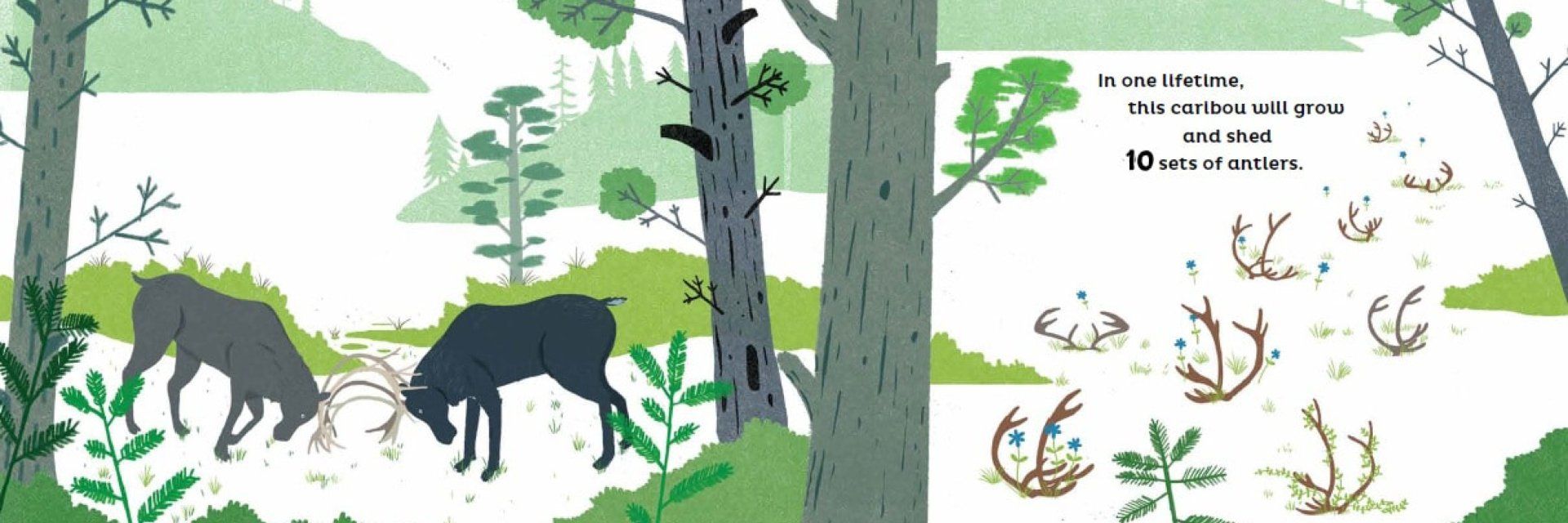
Lifetime: The Amazing Numbers in Animal Lives by Lola M. Schaefer, illustrated by Christopher Silas Neal
“In one lifetime, this caribou will grow and shed 10 sets of antlers.” “In one lifetime, this alligator will build 22 nests and lay 550 eggs.” “In one lifetime, this female red kangaroo will birth 50 joeys...So many hoppy birthdays!” Schaefer combines elementary-aged children’s love of animals with their simultaneous love of math and numbers in this incredible book. After gathering available data and determining averages, she shares fascinating facts on each page, with more detailed information about the animals and math at the end of the book.
The Girl Who Loved Wild Horses by Paul Globe
“There was a girl in the village who loved horses. She would often get up at daybreak when the birds were singing about the rising sun. She led the horses to drink at the river. She spoke softly and they followed. People noticed she understood horses in a special way.” This Caldecott medal winner beautifully honors native American tradition while telling the tale of a girl who was so connected to the horses she loved that she eventually became one of them.
Crab Moon by Ruth Horowitz, illustrated by Kate Kiesler
Horseshoe crabs are ancient creatures that even today continue to grab the attention of children, adults, and scientists. While on a beach vacation with his family, young David’s mother tells him how the horseshoe crabs come ashore each year to lay their eggs, and she promises to wake him in the middle of the night so that he may experience this wonder for himself. This book does such a lovely job of explaining the experience, readers will almost feel like they are right there with the crabs. As with so many wonderful children’s books today, there is additional factual information at the end of the story. An additional bonus is that learning about horseshoe crabs connects nicely with children’s history work in the elementary Montessori classroom, especially with the Timeline of Life material.
Inky's Amazing Escape: How a Very Smart Octopus Found His Way Home by Sy Montgomery, illustrated by Amy Schimler-Safford
This is a true story of an octopus found near reefs in New Zealand. Readers learn a bit about how a young octopus gets a start in the world, what may have happened to cause Inky’s injured arms, and how he came to stay at the National Aquarium in Wellington. His caretakers at the aquarium took excellent care of him, and children will delight at hearing about how he enjoyed playing with Legos and Mister Potato Head in his enclosure. Octopuses are curious and adventurous, however, and Inky eventually snuck out of his tank, found his way into the building’s plumbing, and then back into the ocean.
Andre the Famous Harbor Seal by Fran Hodgkins, illustrated by Yetti Frenkel
Today there are laws that protect the safety of wild seals by prohibiting humans from even touching them without special permits. This was not always the case, however, and this story tells the tale of how one seal became a pet, a famous local performer, an honorary harbormaster, and an ambassador for his species. Over the years, Andre spent time living with a family of humans, swimming in the local waters near his Maine home, wintering at the New England Aquarium in Boston or the Mystic Aquarium in Connecticut, and spending stretches of time freely roaming the waters along the coast of Massachusetts, New Hamphsire, and Maine. A lovely statue of Andre remains today, overlooking the harbor in Rockport, Maine.
Frozen Wild: How Animals Survive in the Coldest Places on Earth by Jim Arnosky
Perhaps one of the most interesting elements of this book is the fold-out pages with extended illustrations; children enjoy the novelty and appreciate interacting with the book in a different way. They will learn, through factual text and detailed illustrations, about all sorts of ways animals survive in the cold. Topics range from beavers in the winter, the various animals that call the arctic and antarctic regions home, how animals stay warm in the winter, and more.
Even More Lesser Spotted Animals by Martin Brown
A follow-up to the original Lesser Spotted Animals, this great book aims to highlight some of the animals we don’t hear about all the time. Lions, giraffes, and grey squirrels are great, but have you ever heard of the dingiso, rufous sengi, tamandua, or altai argali? Humor peppers every page, along with relatable size descriptions (“about the size of a one-year-old toddler with a tail”), what we know about each animal, where they live, what their current status is, and any other information that kids will find amazing and interesting. With a goal of encouraging conservation and preservation, Brown believes that to care about saving animals people need to know about them, and this includes the underdogs we don’t often hear about.
What other books has your animal-loving child enjoyed that you think other families should know about? Feel free to share your recommendations with us!