
Feeling Heard: The Practice of Active Listening
Have you had the experience of your child exploding in frustration when you try to answer a question? This can manifest in different ways. When you try to answer, your child may react or even shout, "Stop interrupting me!" This can feel baffling, especially if we don’t seem to be interrupting at all. Your child asks a question. You answer.
Looking Behind the Behavior
Children often communicate in ways that reveal deeper needs. Their words can be loud, reactive, or difficult to interpret. But often, it is not the content of our response that causes tension—it’s the speed, the timing, and the presence behind it.
In many cases, we are already forming our responses before a child finishes speaking. This habit, while unintentional, can make our children feel unseen or unheard. What they may need instead is a thoughtful pause—space between the question and our reply. This kind of mindful interaction can be especially meaningful in moments of stress or conflict.
Space for Ideas to Breathe
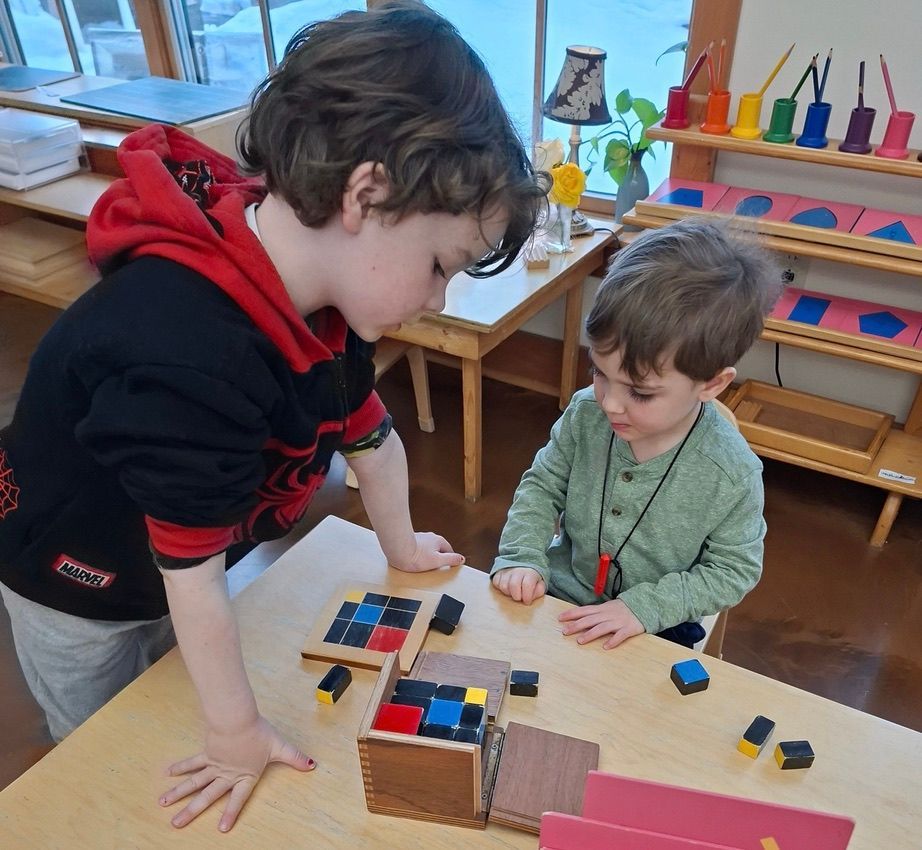
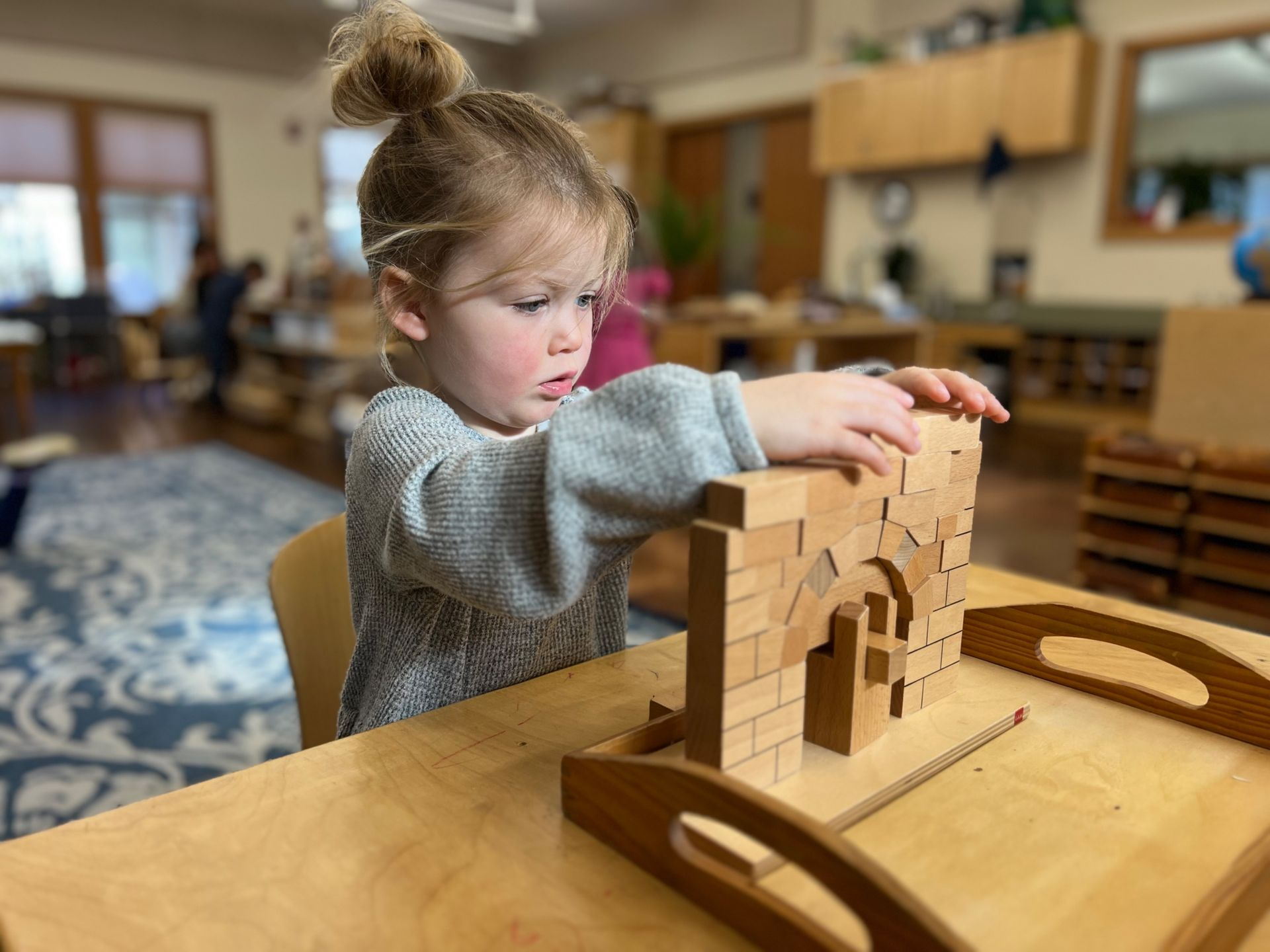
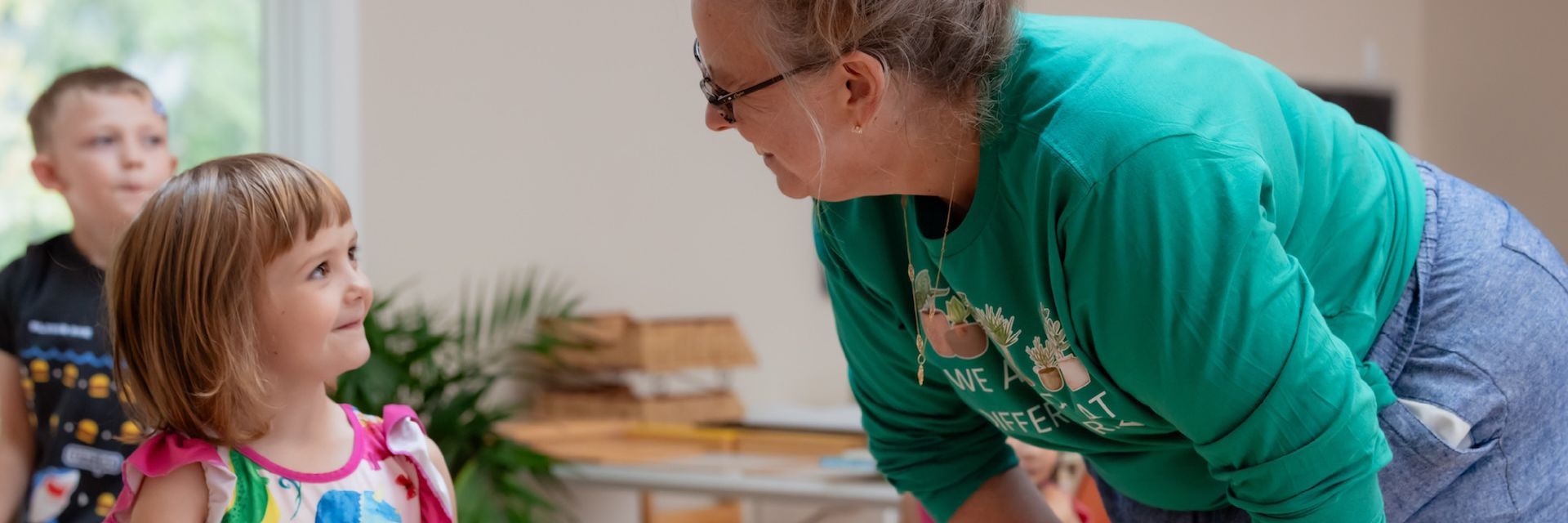
We use a similar approach in Montessori classrooms. As adults, we strive to pause after someone speaks. This space allows ideas to breathe and encourages deeper listening. Over time, as we practice this technique, we become more aware of body language, emotional tone, and unspoken cues. We learn to listen with the intention of understanding, not just responding.
In both classrooms and homes, this practice of active listening can significantly shift the tone of relationships. Active listening involves pausing, tuning in, and reflecting back what the speaker has expressed. It communicates, “I hear you. I understand what you’re feeling.” This doesn’t mean we need to agree with every statement, but rather we are validating the speaker’s emotions and experiences.
Active Listening in Action
When we respond with active listening, our children often become calmer and more open to cooperation. For example, if your child asks, “Can I watch a movie?” rather than offering an immediate yes or no, we might pause and say, “It sounds like you’d really like to watch something. I understand how fun that can be. I’m not willing to do that today because we already had a movie night last night.” Your child might not like the response, but when we practice active listening, children tend to be calmer and less prone to react emotionally. The boundary remains firm, but your child’s feelings are acknowledged.
In more emotionally charged moments, active listening can also help de-escalate conflict. For example, if your child yells, “I hate you!” a simple response, such as “It sounds like you’re really angry with me,” can validate their emotions and help your child identify feelings that may seem complicated or hard to name. On calmer days, we can allow our children to explore even more deeply by asking follow-up questions, such as, “Is there more?” This can lead to an even deeper connection and emotional awareness.
Deeper, More Cooperative Relationships
Children, like all people, want to feel heard. When we slow down, listen with intention, and respond with empathy, relationships deepen. The result is not only fewer emotional outbursts but also more goodwill, cooperation, and mutual respect. Active listening becomes more than a communication tool. It becomes a way of honoring each other’s humanity.
To experience active listening in action and see its impact on our children, schedule a tour to visit our school!