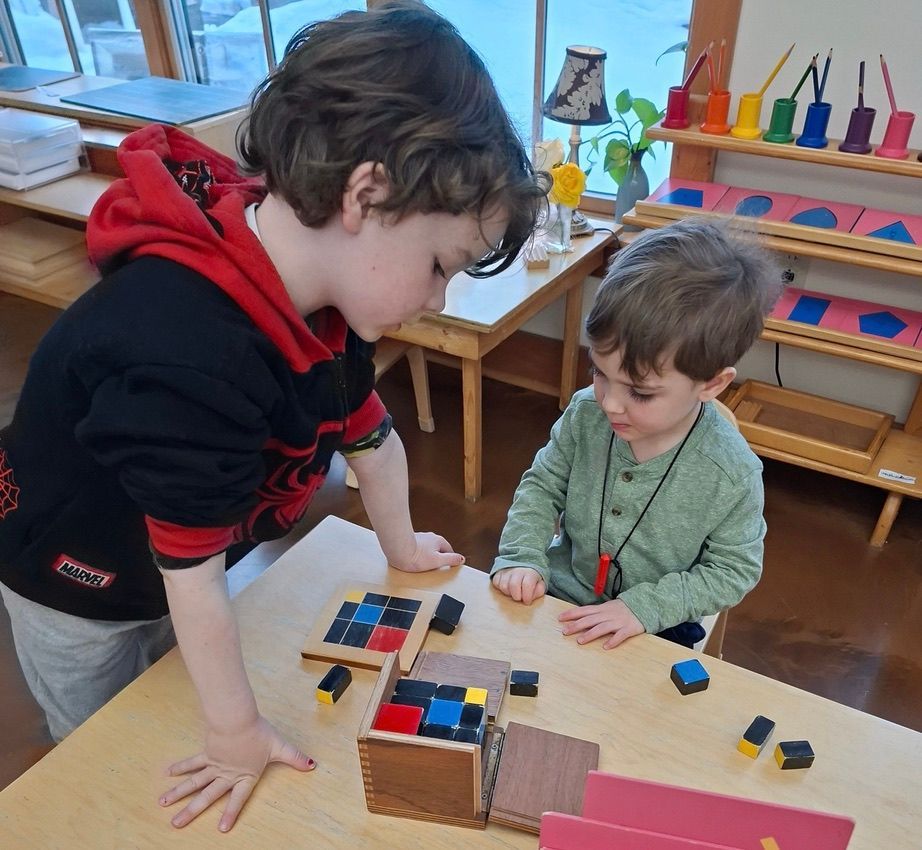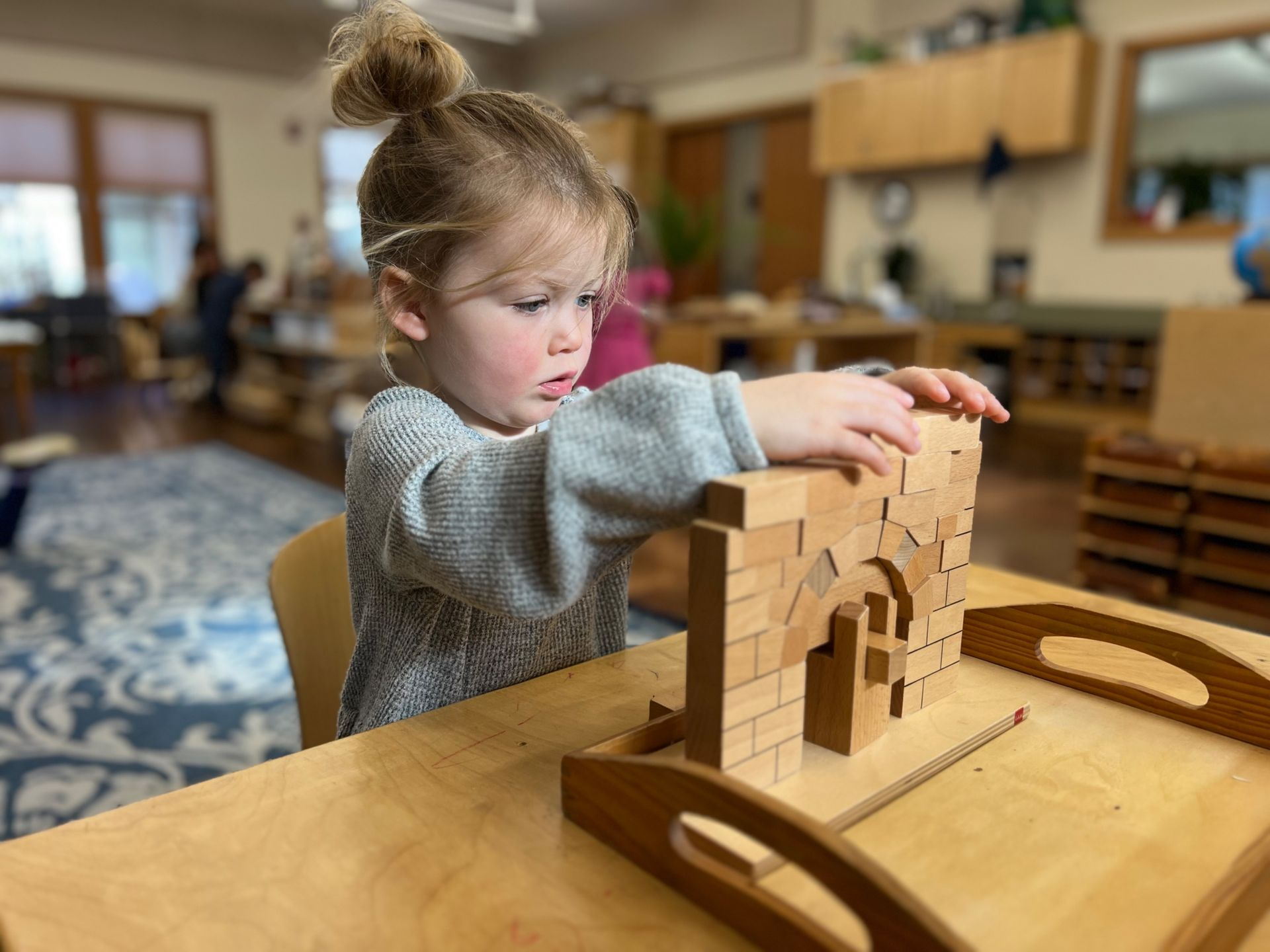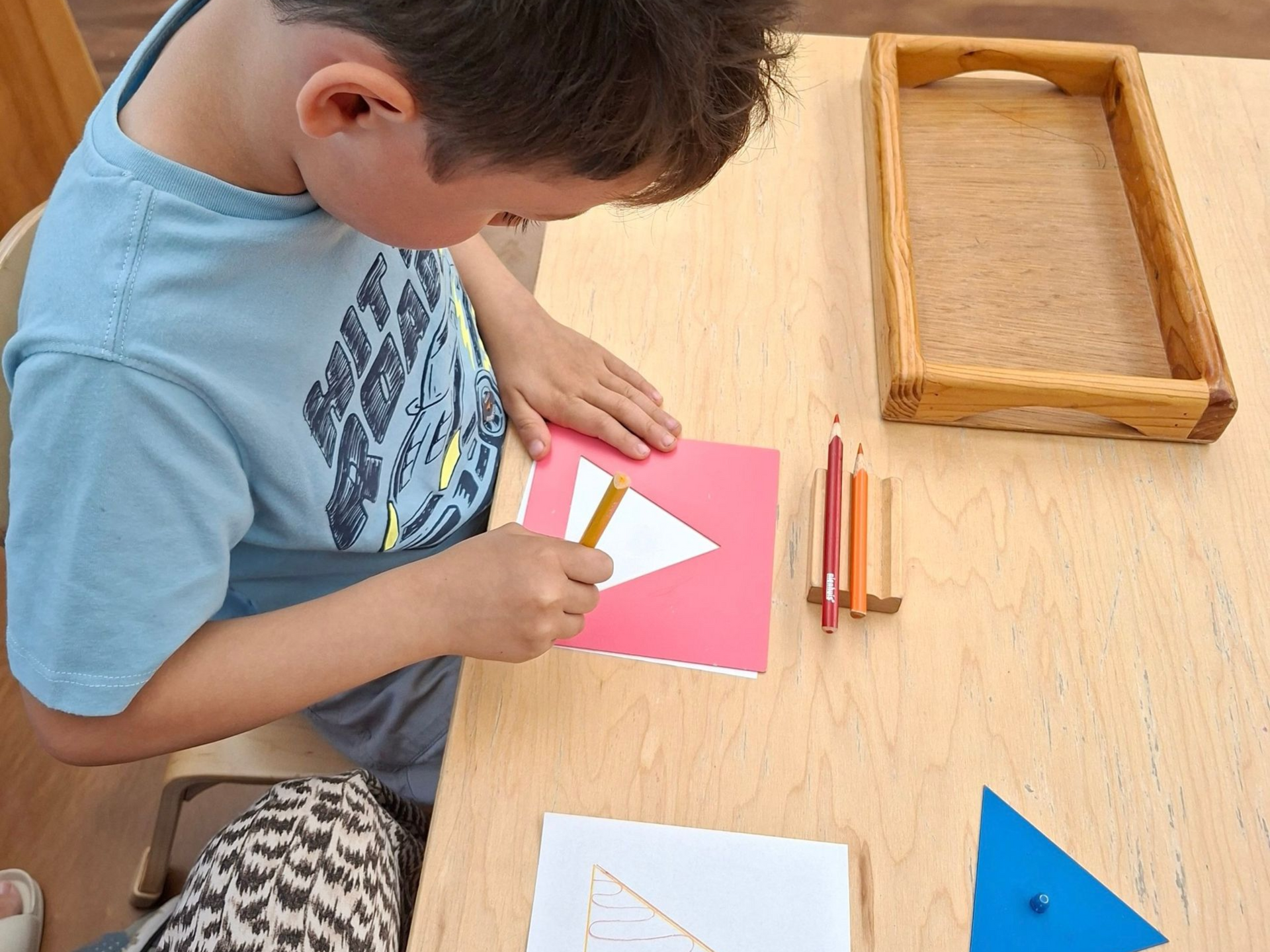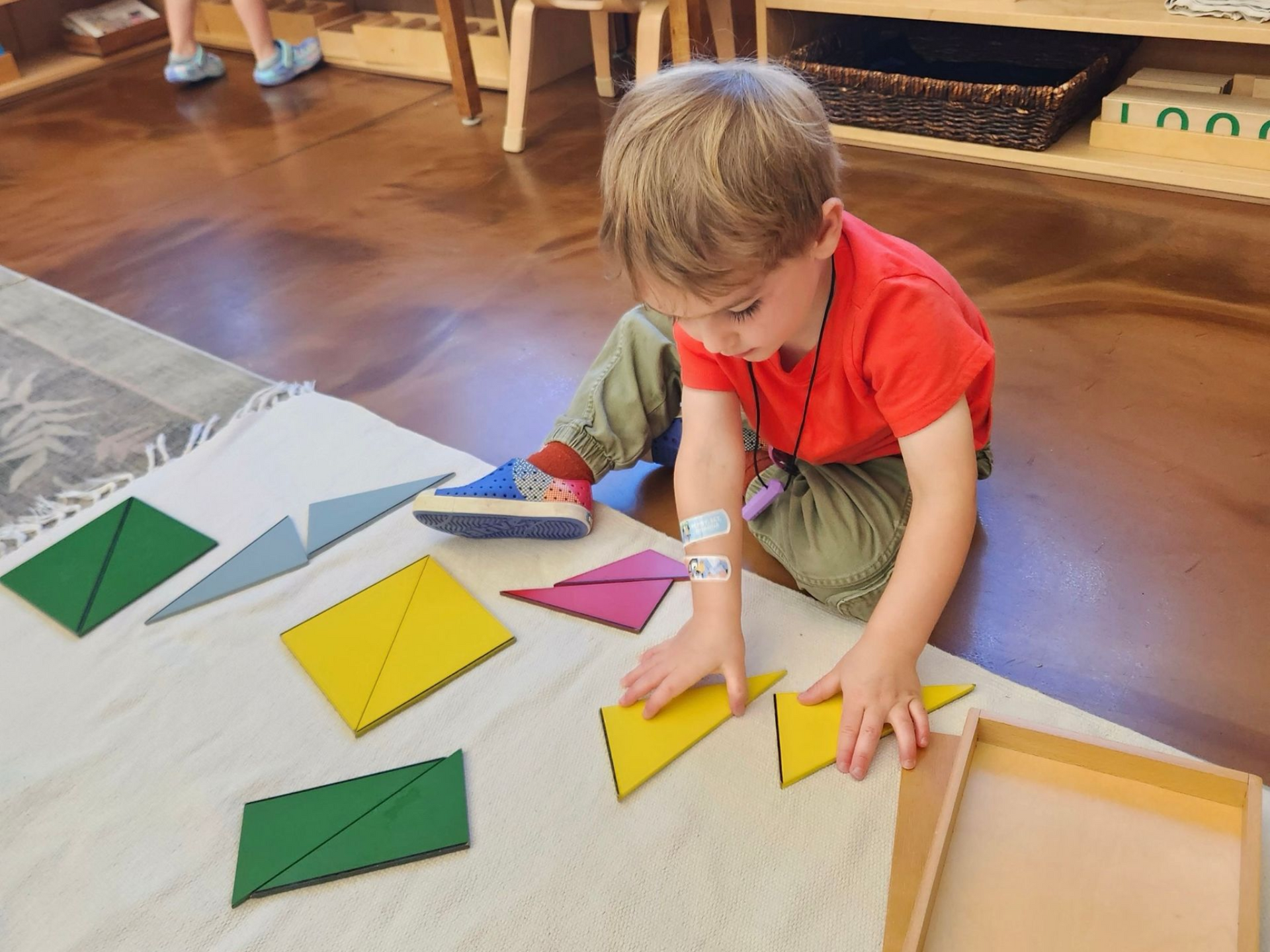
Summer Is the Perfect Canvas: Why Process Matters More Than Product
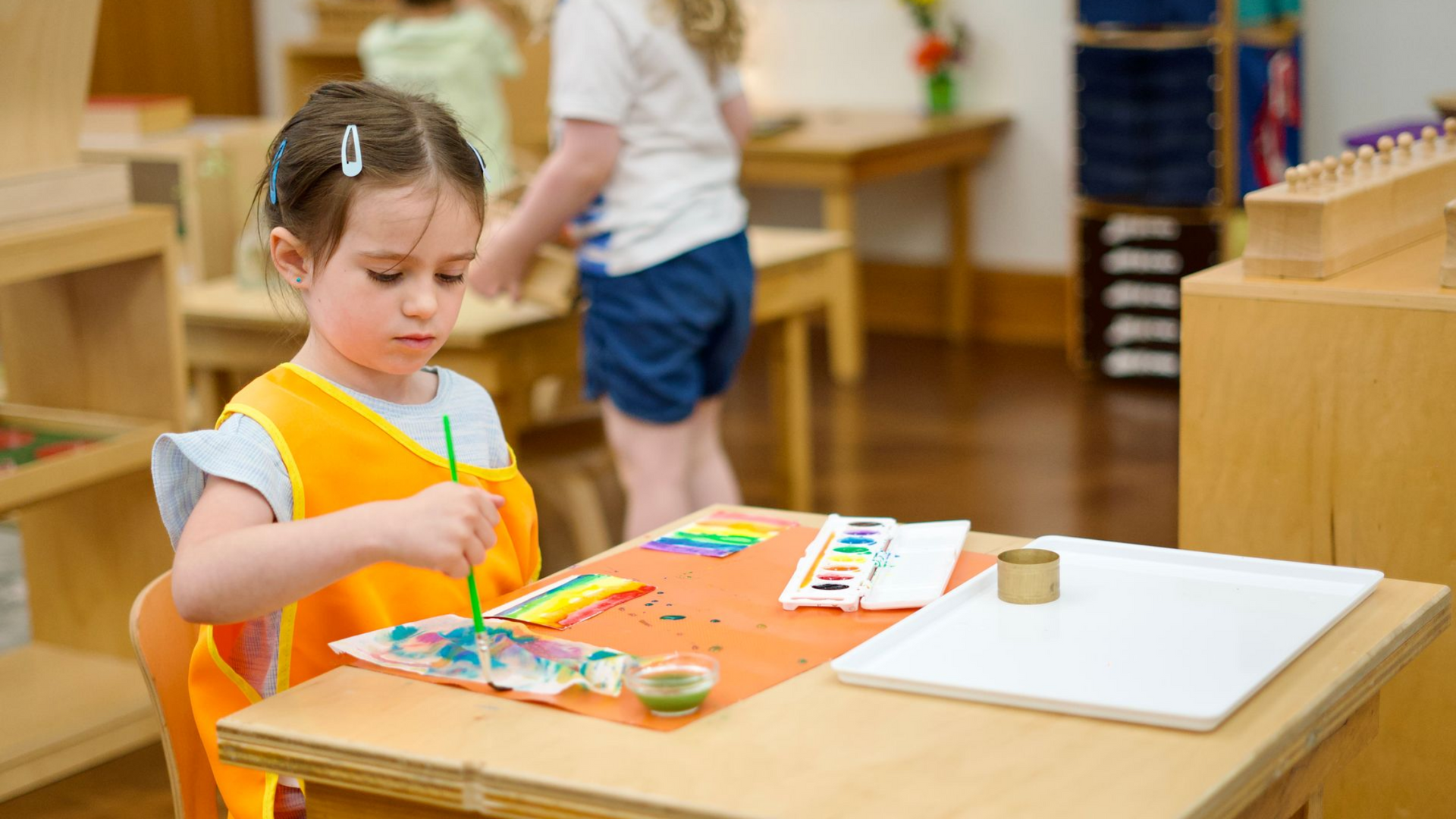
With the slower pace of summer, more time at home and outdoors, and more unstructured hours to fill, it’s a perfect time to pull art supplies out fo the closet, cover tables with paper, and unleash some creative energy!
What happens in these creative moments matters more than most of us realize. And how we respond to what children make matters just as much as the making itself.
The Process Is the Point
A foundational principle behind Montessori's approach to children's artmaking is that the process of making art is far more important than the product.
This can be difficult for us to internalize, because the product is what we most often see. It’s not that we don’t care about our children’s experience. But the painting is what comes home. The drawing gets taped to the refrigerator. We get handed the collage at pickup. So it’s natural to focus on what is right in front of us.
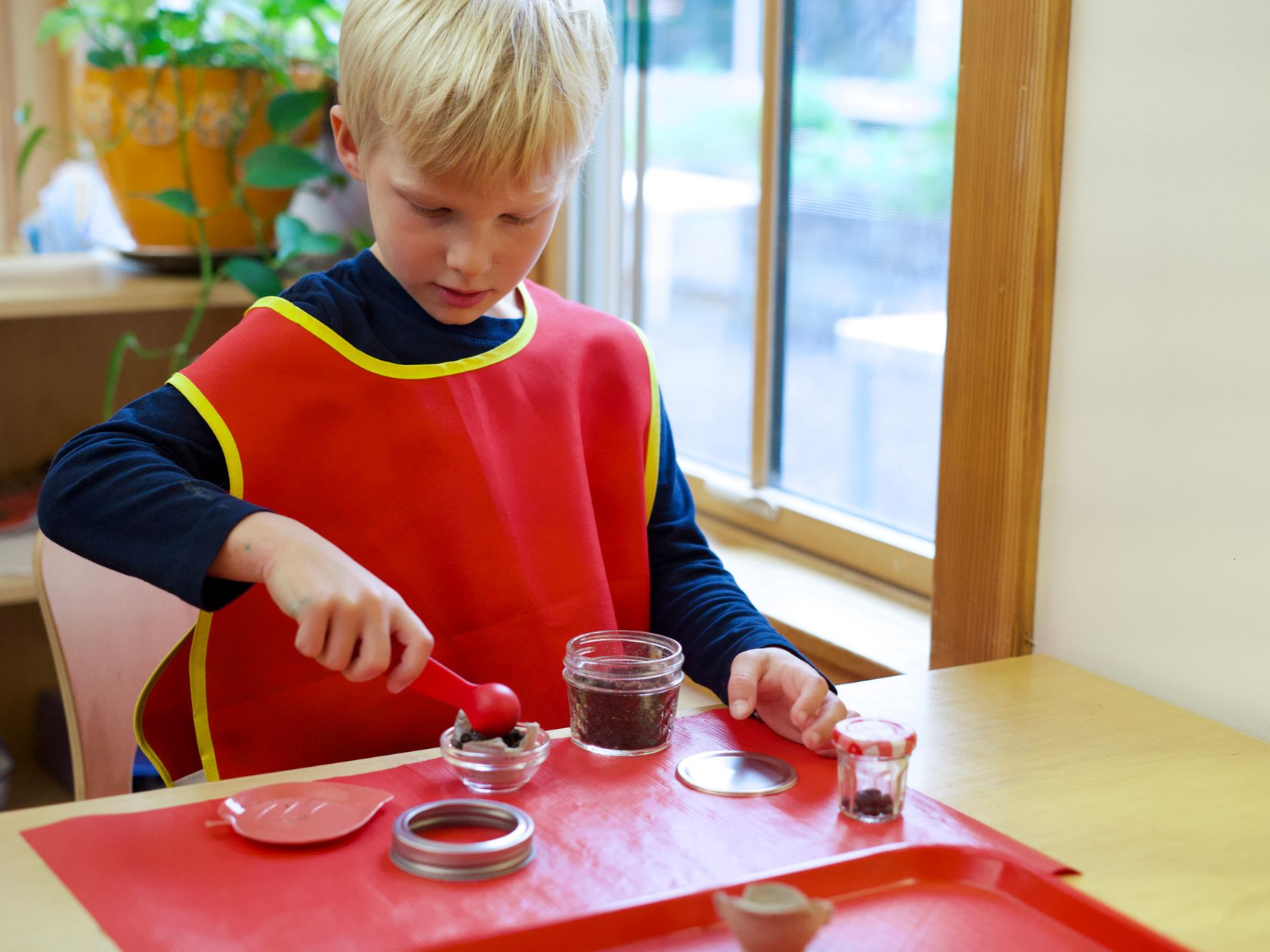
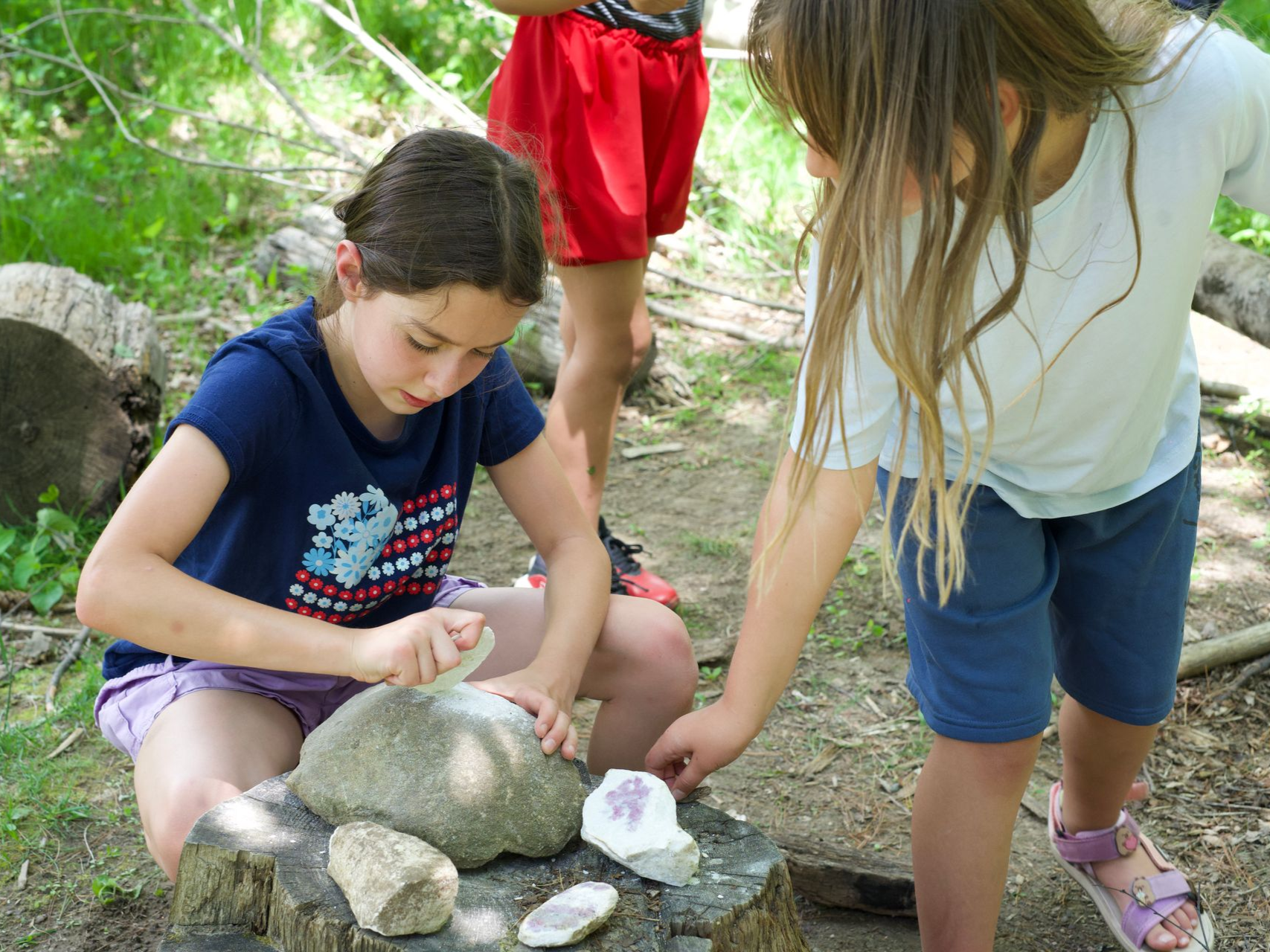
But it is the moments when children are deeply absorbed in moving paint across paper, pressing clay between their fingers, or scribbling long, looping lines with a crayon that something essential is happening. This is a deep form of creative expression and an outlet for feelings children may not yet have words for. Plus, children are developing visual-spatial skills, fine motor coordination, and the capacity for innovative thinking. During art-making, children are problem-solving in real time, making decisions about color, form, pressure, and space. And they are experiencing the deep satisfaction of following an internal creative impulse all the way through to its end.
What Not to Say and What to Say Instead
One of the most important things we can do to support young children's creative process is to be thoughtful in our comments. Even well-meaning responses can shift children's focus from their own inner experience to an adult's reaction. Once that shift happens, children begin making art for the audience rather than for themselves.
Comments like, "That's beautiful!" or "What is it?" or "Can you make one for Grandma?" are all, in different ways, asking children to produce something for someone else or to explain and justify what they've made. Neither of these supports genuine creative development.
Instead, focus on objective, process-focused observations. For example, "I can see you used a lot of green and purple today," or "Your lines extend all the way to the edge of the paper," or "It looks like you really enjoyed making that." These responses acknowledge children's work without judging it, and they communicate that what they made matters, and what they experienced while making it also matters.
Young children often cannot (and should not have to) explain their art. The experience of making art is enough.
A Summer Opportunity: Freedom to Explore
Summer is an ideal time to offer children a real variety of creative materials and the freedom to choose what calls to them. Different children will be drawn to different media, and what each child gets from a new experience will be entirely their own. Variety is important precisely because it sparks different kinds of interest and expression in different children.
Here are some starting points for summer art exploration, appropriate for toddlers and young children:
Offer crayons and large paper for open-ended scribbling and mark-making. It’s best to begin by offering large spaces before moving to smaller ones. Large paper means that children's bodies have room to move freely. Easel painting or watercolors offer the joy of color mixing and the experience of a brush moving across a surface. Play-dough and clay can satisfy children's deep need to manipulate, press, and build with their hands. Collage materials (paper scraps, leaves, fabric, natural objects) invite children to arrange and compose in ways that feel both free and purposeful. Chalk on pavement (or dark paper, if the weather isn’t cooperating) is especially magical outdoors on a summer morning.
From a practical standpoint, it’s helpful to protect clothing and surfaces before beginning, so children can work freely without worry (theirs or ours!). Choose non-toxic materials, particularly for the youngest children who may still explore things with their mouths. And resist the urge to direct the outcome. Children who cover their paper entirely in black paint are not doing it wrong. They are doing exactly what they need to do.
What to Do With What They Make
Not every piece of art needs to be saved or displayed. Saving a selection of artwork from across the summer (early pieces, middle-of-summer pieces, late-summer pieces) can serve as a timeline or record of your children's creative development and a meaningful way to look back together at the end of the season. If there isn’t room to display selected pieces, a simple folder or large envelope can also work perfectly for this. When you look through the artwork together, let your child lead the conversation or simply look at it together without words.
The goal is never gallery-ready products. The goal is children who trust their own creative impulses, who feel free to experiment and make a mess and start over, and who carry the confidence of someone who has been allowed to make things in their own way.
Summer is long, and the canvas is wide! Let children fill it however best suits their needs!
We'd love to hear how your family is spending the summer months. And we always love to share how we support creative exploration in our prepared environments in Lenox, MA.
Contact us to learn more!