Freedom Within Limits: What Does It Look Like?
Meagan Ledendecker • September 20, 2021
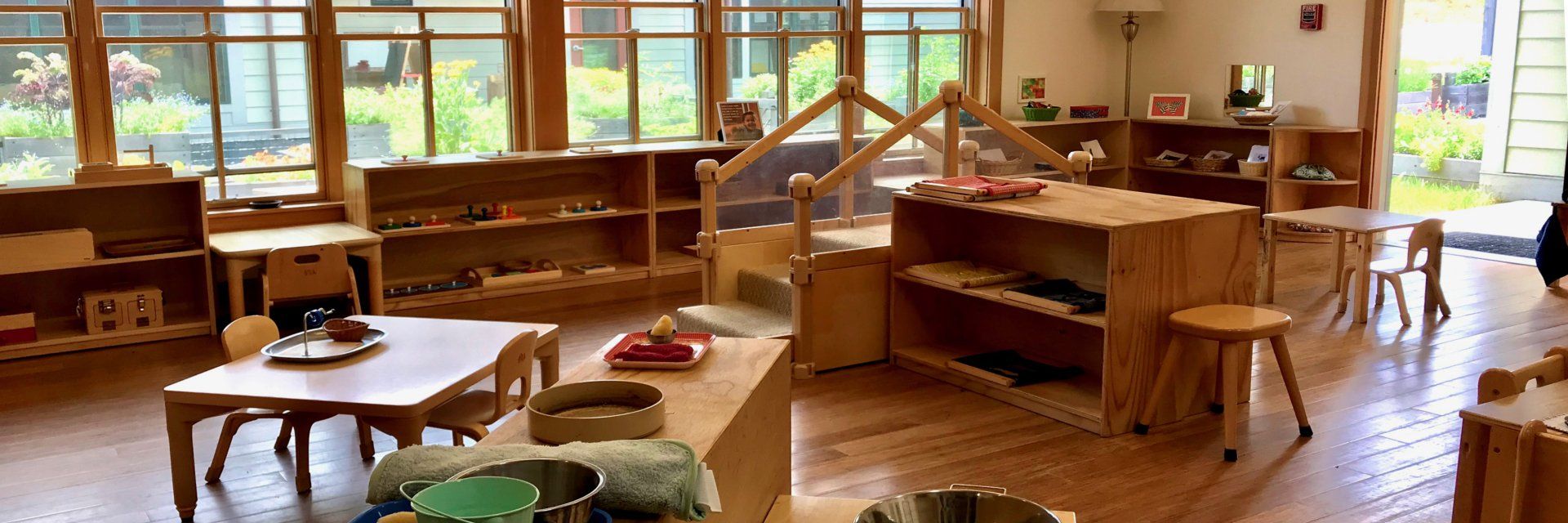
Image of toddler classroom with small furniture

One of the most common misunderstandings about Montessori education surrounds the freedom we give the children in our care. Generally speaking, once folks actually step inside a classroom and observe what really goes on, there is no doubt and all misconceptions are quickly cleared up.


Montessori isn’t a trademarked concept, though. Anyone (school or individual) can claim to be “Montessori” but that doesn’t necessarily make it so. This is why specific, high-quality teacher training programs, along with affiliation or accreditation with a major Montessori organization (such as AMI) is critical to ensuring a high fidelity program.


All that aside, yes, it’s true: Montessori philosophy relies heavily on freedom of choice. We also rely heavily on appropriate limits. There is a critical balance, and achieving this balance is what gives children the sense of dignity, empowerment, and success they deserve. Children are no less human than adults, and they deserve respect, albeit in developmentally appropriate ways that support their growth.


What does this look like in our learning environments, and how might parents utilize these strategies in the home? Read on to learn more.


The physical boundaries of the environment

Montessori schools and guides are very intentional in the ways they structure the physical classroom environment. We want our students to be able to move freely around the space, but we don’t want that movement to inspire behaviors that are distracting to others or unsafe. The good news is there are plenty of things we can do to ensure choice, safety, and learning, all at the same time.


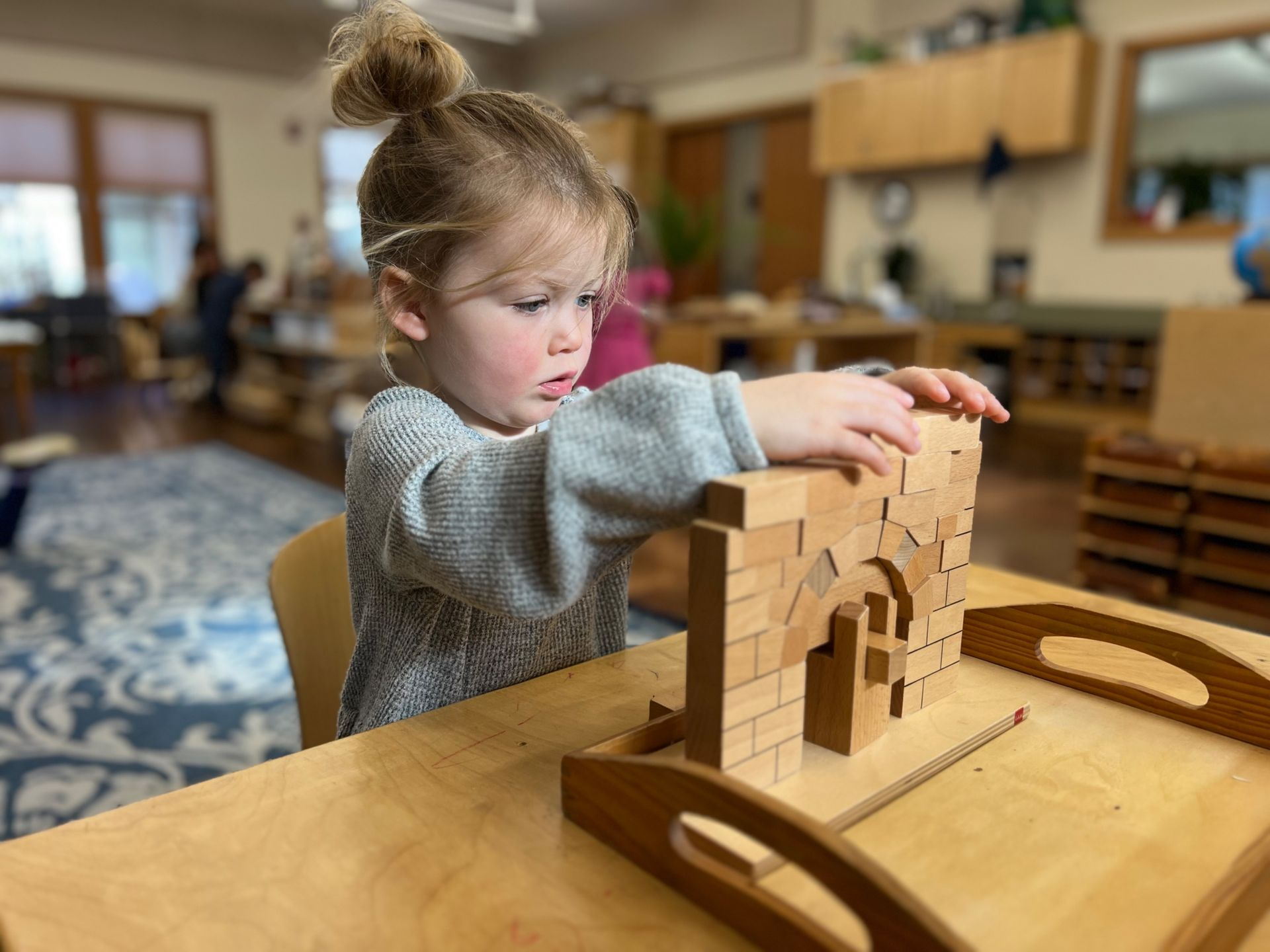
In classrooms for younger children, we avoid having wide open spaces that invite running indoors. The wooden shelves that house learning materials are strategically placed to block paths that children may otherwise utilize in such a way. Instead, we provide indoor-appropriate movement opportunities, we teach children how to use them, and we make sure they are located in spaces that don’t disrupt the work of others. We also make sure there is time and space built into the day that allows for running outside.


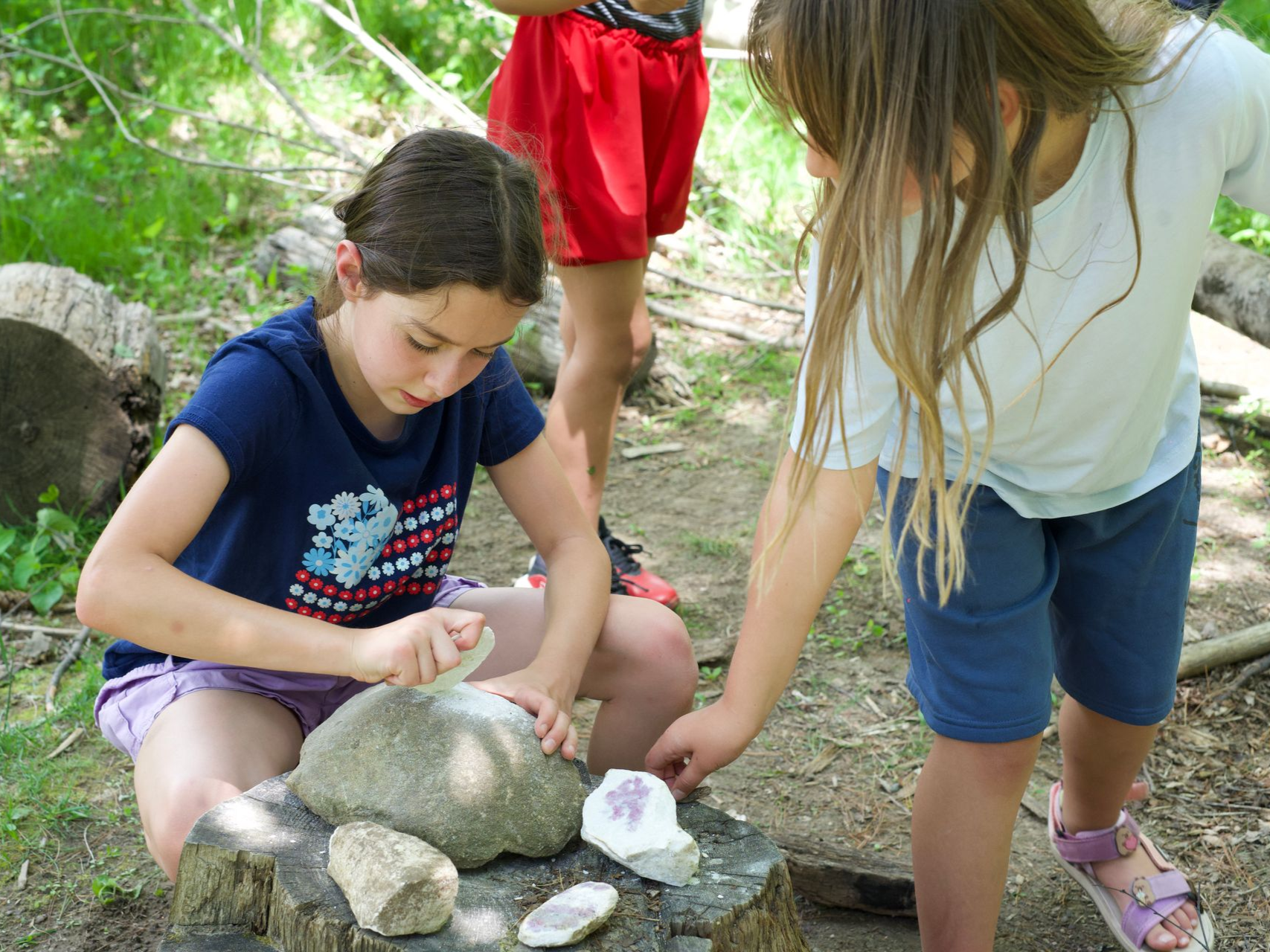
Dr. Montessori valued the opportunities available to children outdoors and in nature, so our schools work hard to provide appropriate and safe space for children to explore. This looks vastly different depending on the child. A four-year-old might enjoy a fenced-in area with raised garden beds, trees, and grassy fields. An eleven-year-old might walk to an adjacent wooded area under the supervision of an adult where they independently gather materials with peers to make forts and other structures.


Choosing what to work on

As adults, we don’t like to be micromanaged. Neither do children. Even a small degree of autonomy allows a person to feel like their decision-making is valued and trusted. This overarching idea is kept in the forefront of our minds, but it does look different at different levels.


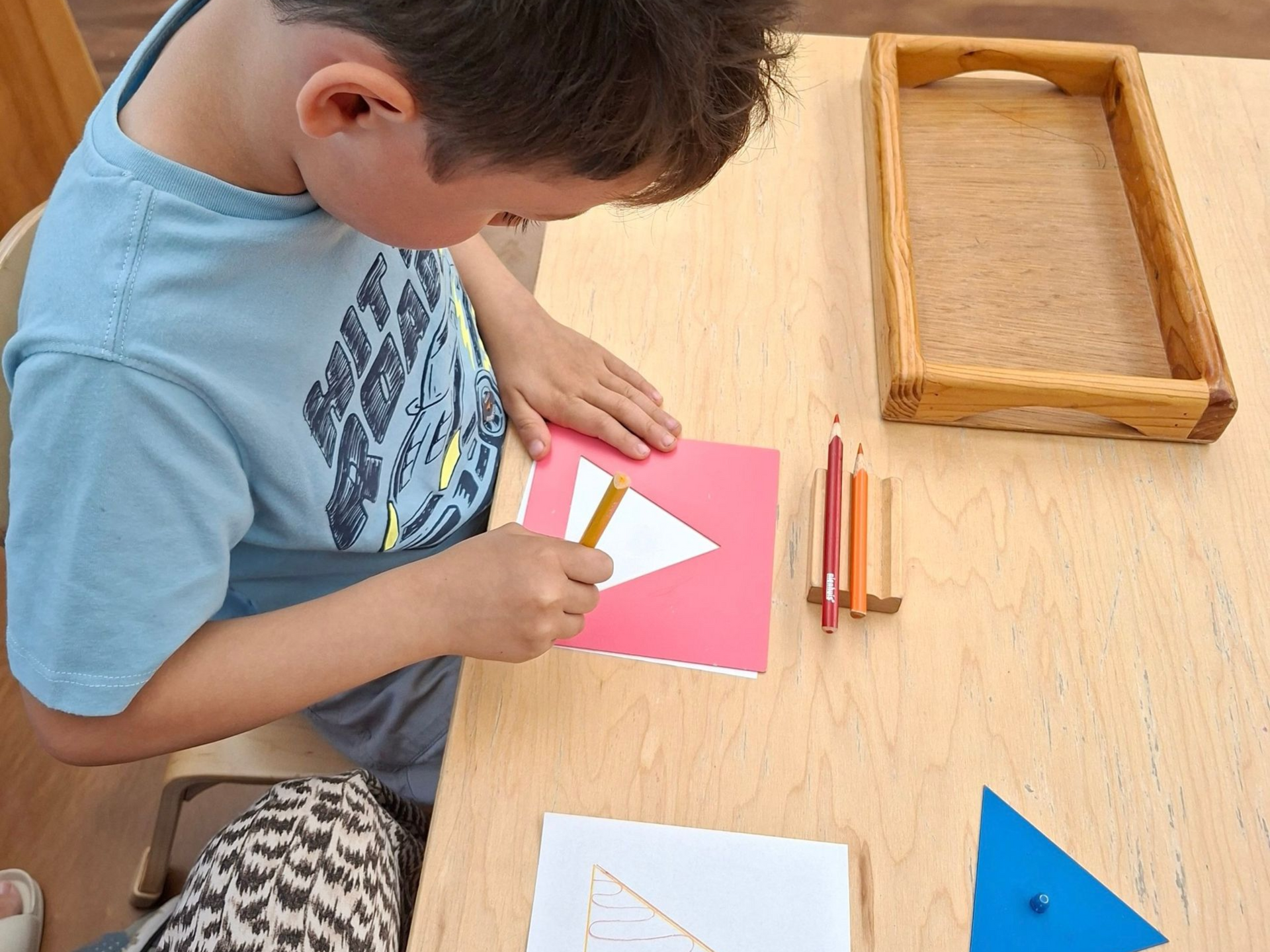
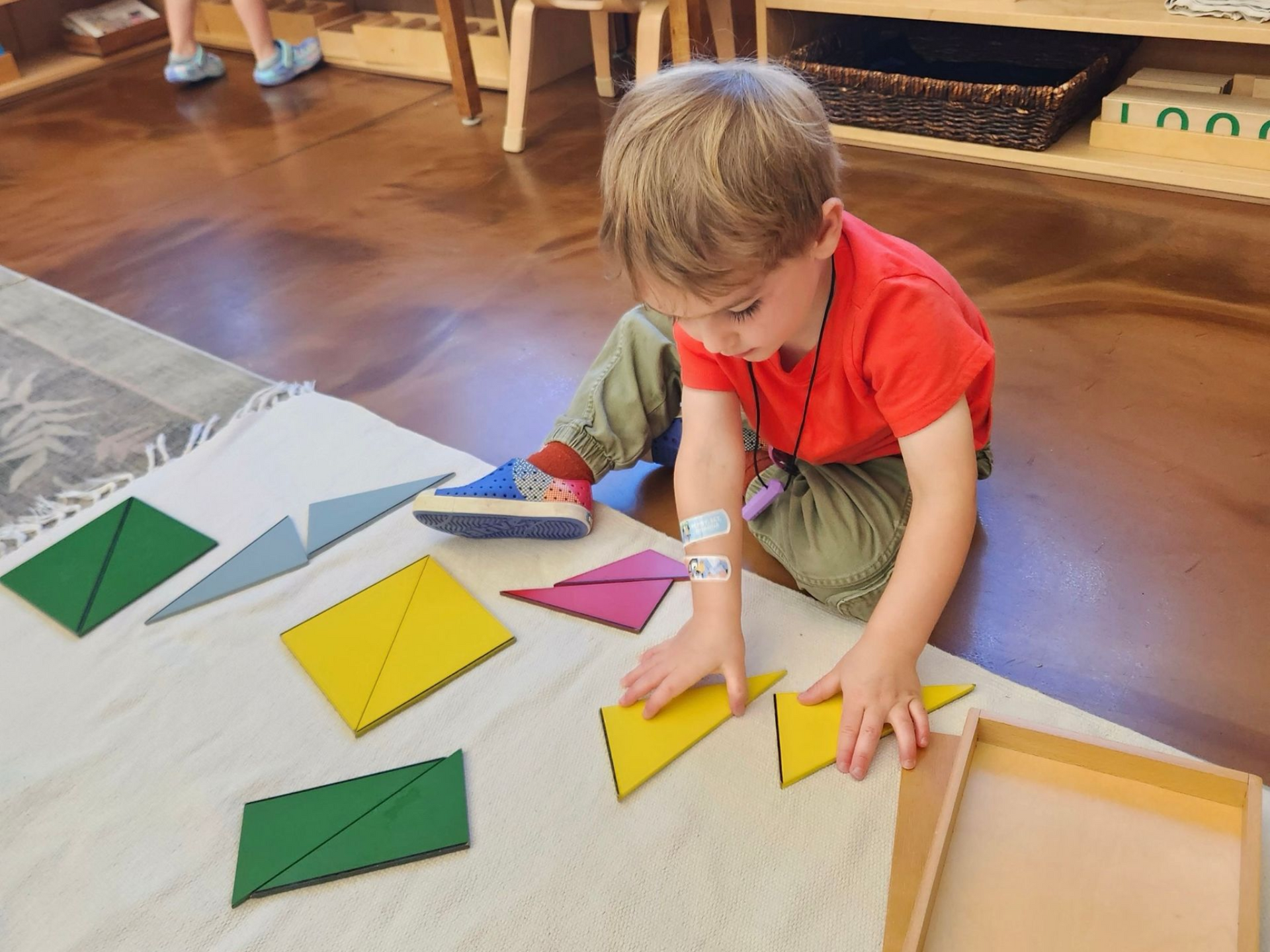
During the first plane of development (newborn to age six) children are given presentations on how to use various materials and complete various tasks. During their independent work cycle they are generally permitted to choose which of these tasks they would like to repeat and in what order. This allows them to follow their interests and develop skills they are internally primed to master without being tethered to a prescribed one-size-fits-all program. As they enter the final year or this period, their guide may start to implement some of the structures seen in the second plane to ease their transition and provide for evolving developmental needs.


During the elementary years, there are certain academic expectations. Children in Montessori environments are given regular lessons on topics of interest as well as to teach basic math and language skills. They are still able to choose their work, as well as make choices about what they would like to spend more time on and study in-depth. Our guides are watching closely, however, to make sure children do not avoid subjects (more on that later in this piece).


Honoring personal health needs

We don’t believe children should have to ask permission to address their own basic needs. Whether it be using the toilet, getting a drink of water, or having a snack, all people (children included) should be able to listen to their own bodies and care for those needs on demand.


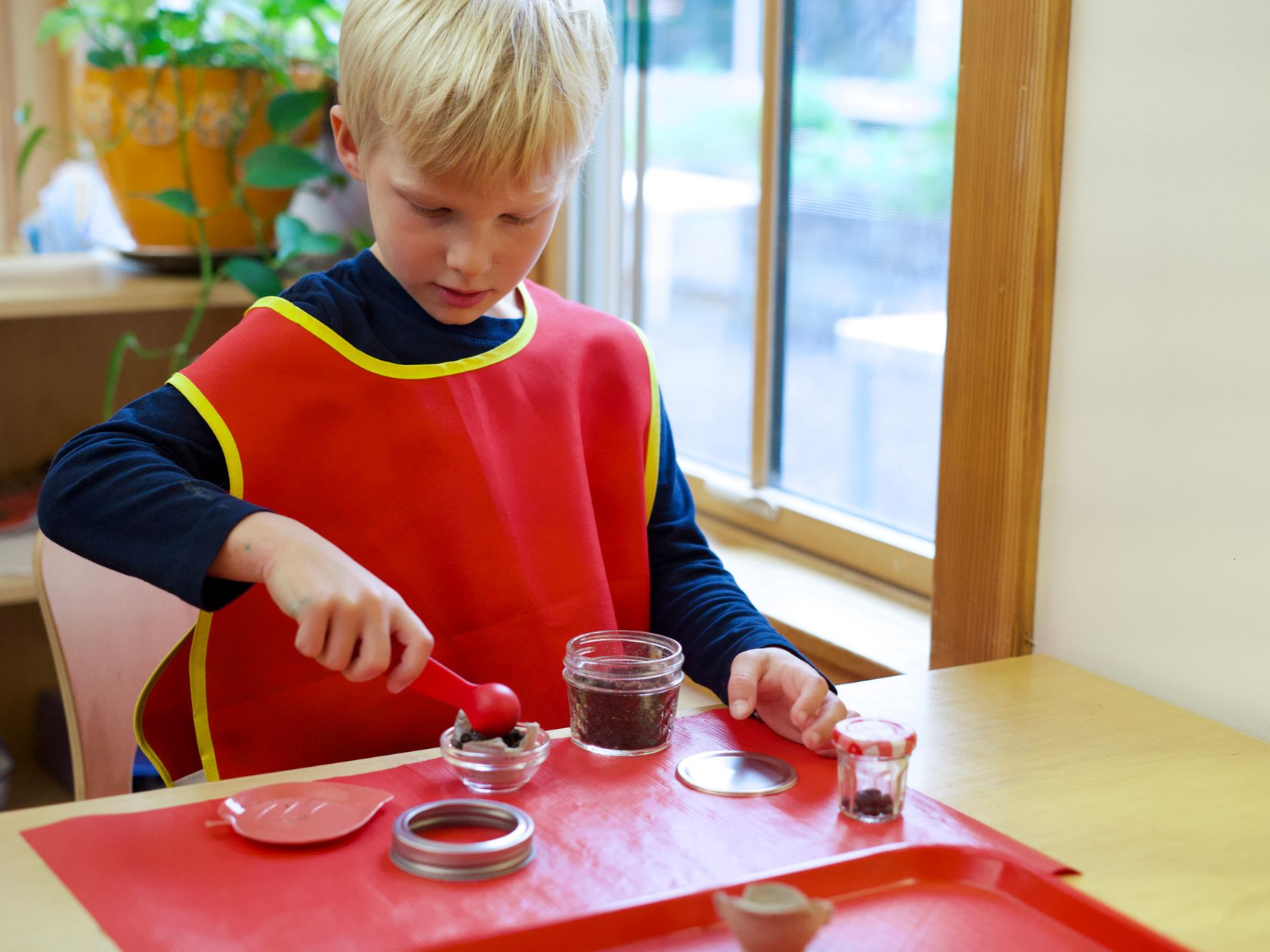
When children are very young, they need more assistance, but we teach them to listen to their bodies’ cues and guide them through the processes. As they get older and more independent, we build structures into the environment that allow them to meet their needs independently. Even as young as age three, children serve themselves a snack if a seat is available at the snack table. They know where their water cup is located and how to clean up a spill if it happens. The restroom is located in the classroom or nearby so that they can use it without the help of an adult.


Multiple winning options

Want to give kids choice while still achieving specific goals? Give win-win options. We use this strategy in the classroom, but parents can use it at home as well. Some examples:


“Would you rather get dressed or eat breakfast first?”

“I need help with some of the chores. Are you in the mood for washing dishes or doing laundry?”

“It’s almost bedtime. Please go get into your pajamas and brush your teeth, and any time you have leftover before 8:00 pm we can use to read together.”

“You need to pack some more protein in your lunch for tomorrow. Would you like sliced turkey or some hummus?”


Keep in mind that fewer options make decision-making easier. This is especially important to consider when a child is younger or if the decision is causing any kind of stress.


Guidance and discussion

As children get older, it’s important to be transparent in the process of offering increasing freedom. We tell children that we value their input, that we want them to blaze their own trails, and that we are here to support them on the journey.


Remember above when we talked about addressing when a child avoids a particular subject? There are many reasons why they might do so, but it’s usually because the skill is too challenging or too easy. By observing the child at work we can often get an idea of what’s going on, but with children elementary-aged and older, a conversation can be incredibly enlightening.


Once we find out why the avoidance is occurring, we can help develop a plan. The child may need to be introduced to time management strategies. They may need a refresher lesson. They may need to be challenged in a whole new way. Montessori schools are structured so that opportunities for these quick but important check-in meetings are frequent. Long blocks of time dedicated to learning and working independently, coupled with a variety of goals that extend far beyond academics, allow students and guides to work together toward productive independence.


Questions? Comments? We love to hear from parents. Reach out any time!
Group of elementary students sitting cross legged on the floor looking at maps and timelines
By Meagan Ledendecker May 7, 2026
See how Montessori timelines make abstract time tangible for children, building historical thinking, imagination, and inner order through hands-on work.
By Meagan Ledendecker May 7, 2026
If you've spent any time in a Montessori early childhood classroom, you've likely noticed the sandpaper letters on the shelf: elegant, tactile, traced by small fingers again and again. And if you've looked closely, you may have noticed something that surprises many families. Those letters are in cursive. In a world where most children learn to print first, Montessori's cursive-first approach raises questions. Why cursive? Why so early? The answers reach back to Dr. Maria Montessori's own careful observations of children, as well as forward to what modern neuroscience is now confirming about the developing brain. What Dr. Montessori Actually Observed Dr. Montessori was a meticulous observer of children, and her thinking about writing developed through years of direct experimentation. One of her core observations was that children naturally gravitate toward curved, flowing lines rather than the rigid, straight strokes that were (and often still are) the starting point for teaching print. She noticed this pattern across multiple contexts. When children who were learning to write began with rows of straight strokes, their attention would gradually drift, and the straight lines would slowly transform into curves, as if the child's hand were following its own natural inclination. And when children drew spontaneously by tracing figures in sand with a fallen twig, or scribbling freely on paper, they rarely produced short, straight lines. Instead, they made long, flowing, interlaced curves. Dr. Montessori paid attention. Rather than something random, she recognized the hand's natural motion expressing itself. Critical of standard teaching approaches that began with isolated geometric strokes, or regimented mark-making, Dr. Montessori saw that cursive script, with its connected, flowing letters, aligned far more naturally with the motions children were already making. It worked with the child's hand, rather than against it. The Neurological Case for Cursive Thanks to her keen observations, Dr. Montessori intuited benefits that research is now beginning to confirm. Modern brain science provides a compelling case for the value of cursive writing. This is especially powerful in early childhood, when the brain is forming the connections that will support reading, fine motor coordination, and cognitive development for years to come. Dr. William R. Klemm, writing in Psychology Today, summarized findings showing that learning cursive trains the brain to develop what researchers call “functional specialization,” or the capacity for optimal efficiency. Brain imaging studies show how multiple areas of the brain are activated simultaneously during cursive writing in a way that doesn't happen with typing or print. The integration of sensation, movement control, and thinking that cursive requires appears to support broader cognitive development in genuinely significant ways. Klemm also suggested that learning cursive trains the brain for more effective visual scanning, with potential benefits for reading speed and hand-eye coordination. In other words, the child who traces cursive sandpaper letters with their fingertips is developing neural pathways that support a wide range of future learning. Clarity, Beauty, and the Practical Benefits Beyond the neurological research, there are practical reasons that Montessori educators have observed over generations of practice. Cursive provides a better visual distinction between letters that are easily confused in print. Think about the pairs that trip up so many young learners: b and d, p and q. In cursive, these letters look different from one another, which reduces the visual confusion that causes so many children to struggle in the early stages of reading and writing. And then there is the matter of beauty, something Dr. Montessori took seriously in everything she prepared for children. She wrote that, in teaching writing, we should pay close attention to "the beauty of form" and "the flowing quality of the letters." Cursive handwriting, when developed well, is genuinely lovely. It is a form of penmanship that connects children to a long tradition of human expression through the written word. The Montessori approach treats handwriting as a craft worth caring about. What This Looks Like in the Classroom In a Montessori early childhood environment, the path to writing begins long before a child picks up a pencil. Practical life activities like pouring, spooning, buttoning, and lacing quietly help children develop the fine motor control and hand-eye coordination that writing requires. The sensorial materials train children’s pincer grip and refine the precision of small muscle movements. And the metal insets give children practice with the flowing, curved lines that build cursive letters. Then children begin using the sandpaper letters. While verbalizing the phonetic sound, children trace the letter with two fingers. Children feel the letter, produce its sound, and see its form. This multi-sensory experience engages multiple brain areas simultaneously and creates rich, layered associations that support both writing and reading development. By the time children are ready to write independently, they have been preparing their hand and mind for months, often without even realizing it. A Method Ahead of Its Time Dr. Montessori consistently arrived at insights that research has later confirmed. Her reasons for emphasizing cursive were rooted in direct observation of children. She watched children’s hands and their natural movements. She also looked to see what helped them and what created unnecessary struggle. Dr. Montessori wasn't following a trend or a theory. She was following the child. Decades later, brain imaging technology and developmental research are catching up to what Dr. Montessori saw. Flowing lines of cursive script, the sandpaper letters on the shelf, the careful preparation of the hand before children ever pick up the pencil. This is a deep and practical understanding of how children's minds and bodies actually work. For families curious about why Montessori makes this choice, the short answer is this: because children's hands already know how to make these movements. Montessori simply listens to what the hand is already telling us and builds from there. Visit our school in Lenox, MA and see the sandpaper letters and writing materials in action. We'd love to show you how the path to writing unfolds in Montessori.
Image of a preschool aged girl standing in front of an ironing board with a spray bottle and fabric
By Meagan Ledendecker May 7, 2026
When children struggle, Montessori asks: what's in the way? Explore how the prepared environment helps children find their way back to themselves.
Group of toddlers exploring various materials in a grassy, sunny outdoor space
By Meagan Ledendecker May 4, 2026
Discover how Montessori education nurtures children's deepest human needs — from exploration and meaningful work to belonging and spiritual growth.
image of an adult and an elementary student sitting together on the floor reviewing a lesson
By Meagan Ledendecker April 27, 2026
Discover how peer learning, meaningful context, adult interaction, and order align Montessori with the science of how children learn best.
Image of three elementary students standing and crouching around a raised garden bed
By Meagan Ledendecker April 20, 2026
Does Montessori work? Explore the research behind movement, choice, interest, and intrinsic motivation in Montessori: The Science Behind the Genius.
Show More