
A Different Kind of Homework: A Montessori-Inspired Summer
With its change of pace, summer can be a lovely time to branch out into different kinds of family adventures. Even though school isn’t in session, learning doesn’t need to end! In Montessori, however, we believe summer is a time not for worksheets and drills, but for wonder, exploration, and deep connection with the natural world.
As adults, we can offer invitations to exploration. For inspiration, we are offering this list of meaningful, joyful, and skill-building experiences designed to awaken the senses, ignite curiosity, and nourish the spirit.
Here is our "Summer Homework List" that reflects Montessori values of independence, care for the environment, and learning through doing. Consider this a summer challenge! How many can your family tackle during these upcoming months?!
Explore the Great Outdoors 🌳
- Climb a hill or mountain.
- Hike a section of a trail.
- Walk, bike, or skate along a bike path or greenway.
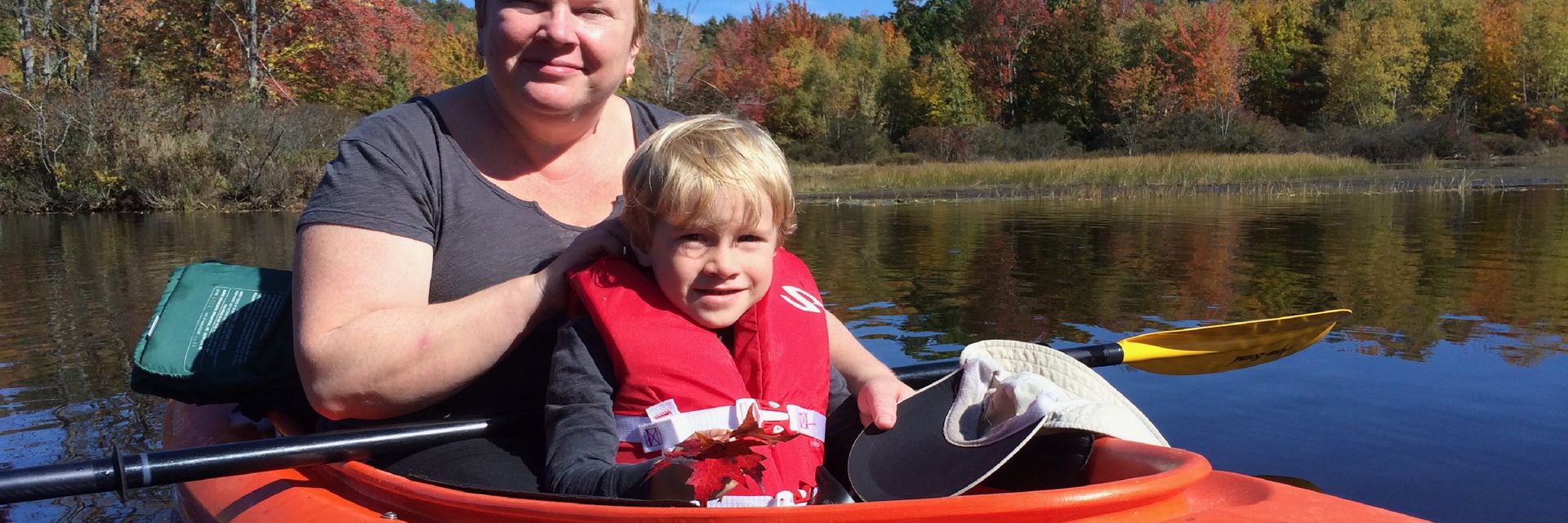
- Canoe or raft down a local river.
- Spend extended time walking quietly through the woodlands.
- Climb a tree and observe the world from a new perspective.
- Play and splash in a summer rainstorm.
Learn to Navigate and Survive in Nature 🧭
- Learn to use a compass and a map to find your way.
- Pitch a tent, build a fire, and cook a meal outdoors.
- Go on a night hike with a flashlight and listen for nocturnal life.
Use Your Hands to Build and Discover 🐚
- Make sandcastles on the beach or mud pies in the yard.
- Build a fort or lean-to in the woods.
- Spend hours making dams and bridges in streams.
- Dig for worms.
- Try catching frogs and fireflies.
- Experiment with different designs for kites or paper airplanes.
Connect with the Cosmos 🌌
- Learn to identify a few constellations and find the North Star.
- Discover where north, south, east, and west are in relation to your home.
- Watch the Perseid meteor shower in August.
Observe and Create 🐦
- Build a birdhouse.
- Learn to whittle a stick.
- Identify local birds by sight and sound.
- Learn the names of the trees around your home.
- Blow bubbles and observe patterns with wind direction and speed.
- Create a scavenger hunt in the yard.
Collect, Record, and Reflect 🧺
- Start a small home museum: shells, rocks, feathers, or postcards of natural wonders.
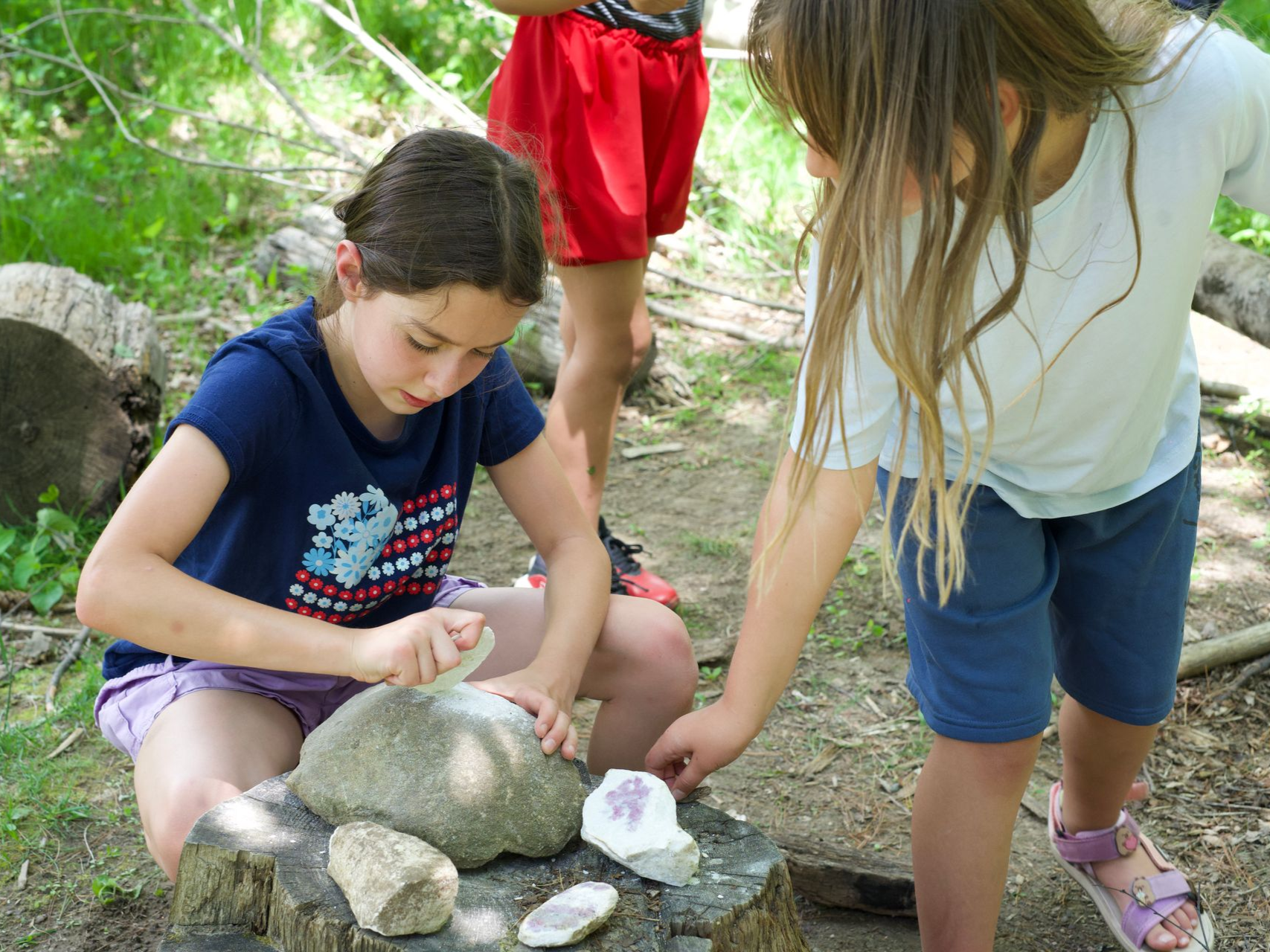
- Collect and paint rocks.
- Create a sculpture or design with found objects.
- Keep a Nature Journal with drawings, leaf rubbings, and observations.
- Lie in the grass and observe the clouds.
Grow and Gather 🌱
- Care for your own tomato plant.
- Plant and tend a vegetable garden.
- Gather locally grown foods and create a picnic.
- Pick fresh berries—and bake a pie!
Why It Matters 🍃
Summer is an excellent time to consider what experiences will nourish our children’s love of life! With that in mind, let’s trade pencils for pinecones, screens for stargazing, and worksheets for wildflowers. This is the kind of homework children will remember, and that will support deep growth and learning.
Children thrive when they experience real-world learning, especially when it involves movement, observation, problem-solving, and connection. Plus, these summer suggestions awaken the senses, promote independence, and help children feel rooted in their environment.
If you are interested in learning more about how Montessori keeps this spirit of discovery alive all year, please be in touch. We love to share what we do!