Can Montessori Boost Your Child's Success?
Meagan Ledendecker • August 17, 2024
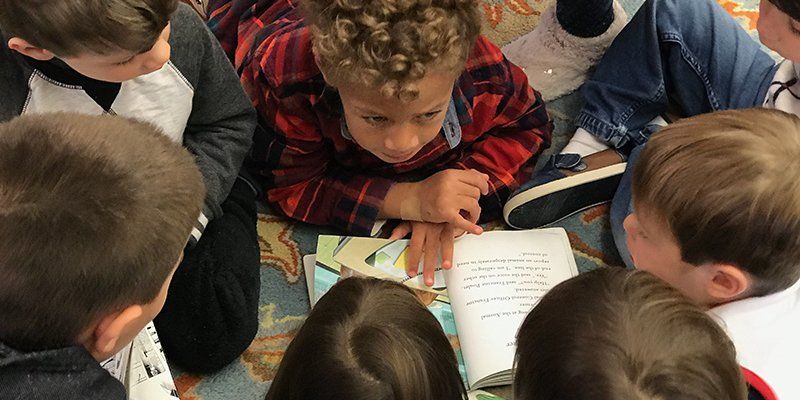
Many of us choose Montessori for our children because we appreciate how the approach respects children as people and as learners. We love how the structure, materials, and lessons appeal to the developmental nature of our children. But how does it affect children in the long-term?
Plenty of people are noticing the positive effects of a Montessori education and researchers are paying closer attention in recent years. For anyone who has been involved with the philosophy for any length of time, the results are not surprising. If you are interested in reading more about current research findings, check out this website.
The big question that remains is, will Montessori children grow up to become successful later in their lives? We may want to start by examining our definition of success. Is success the ability to score well on tests? To be empathetic? To be an innovator? Regardless of how we define the word, research indicates that Montessori does seem to give kids a leg up.
Did you know that many creative, innovative, and successful people who have and continue to shape our world attended Montessori schools? Read on for a list of just some of those individuals.
Julia Child
Where would Americans have found their fondness for French cooking if not for Julia Child? Her books, television show, and the realness of her delivery made a huge impact on households across the country. Child credited Montessori with teaching her to love working with her hands.
Jeff Bezos
For better or for worse, most of us recognize Bezos’ name as he is the founder of Amazon, the world’s largest online retailer.
Prince William and Prince Harry
The sons of Prince Charles and Princess Diana both attended Montessori schools as children.
Gabriel Garcia Marquez
The Nobel Laureate who wrote One Hundred Years of Solitude and Love in the Time of Cholera has said, “I do not believe there is a method better than Montessori for making children sensitive to the beauties of the world and awakening their curiosity regarding the secrets of life.”
Anne Frank
Famous for the penning of her diaries written while she was in hiding during World War II, Frank was a Montessori student.
Larry Page and Sergey Brin
The co-founders of Google have been vocal advocates for Montessori. In 2012, there was a Google doodle dedicated to Montessori. Page has said, “I think it was part of that training of not following rules or orders, and being self-motivated, questioning what’s going on in the world in and doing things a little bit differently.” Check out this short video of Barbara Walters interviewing Larry Page and Sergey Brin
Sean “Diddy” Combs
Best known as a rapper, Combs has also worked as a talent director, songwriter, record producer, actor, and entrepreneur. He once said, “I feel like I was nurtured into wanting to be somebody special.”
Dakota Fanning
Fanning is an actress credited as being the youngest ever nominated for a Screen Actors Guild Award for her performance in the film I Am Sam
at age seven. She has starred in many celebrated films since.
Will Wright
Wright is a well-known video game designer, and creator of games such as The Sims, SimCity, and Spore. He says that children “can become interested in pretty complex theories, like Pythagorean theory, say, by playing with blocks. It’s all about learning on your own terms, rather than having a teacher explain stuff to you. And when kids discover these things on their own, what they learn sticks with them so much more.”
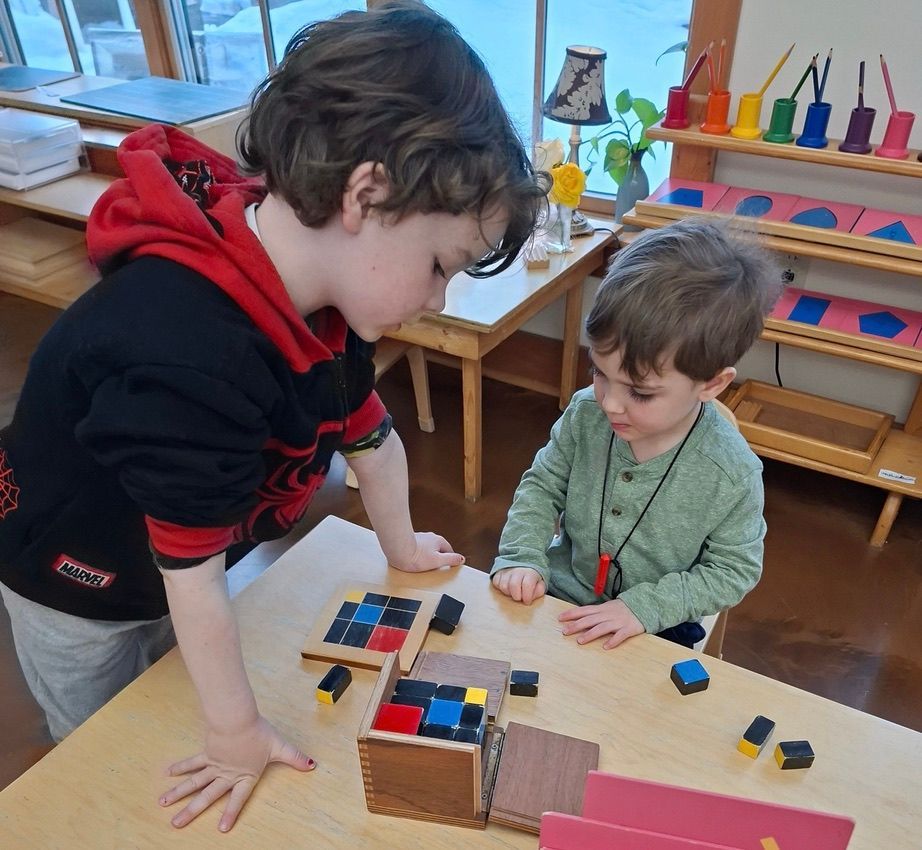
Those blocks and cylinders aren't just play — Montessori sensorial materials are secretly building the mathematical foundations children need for a lifetime of learning.
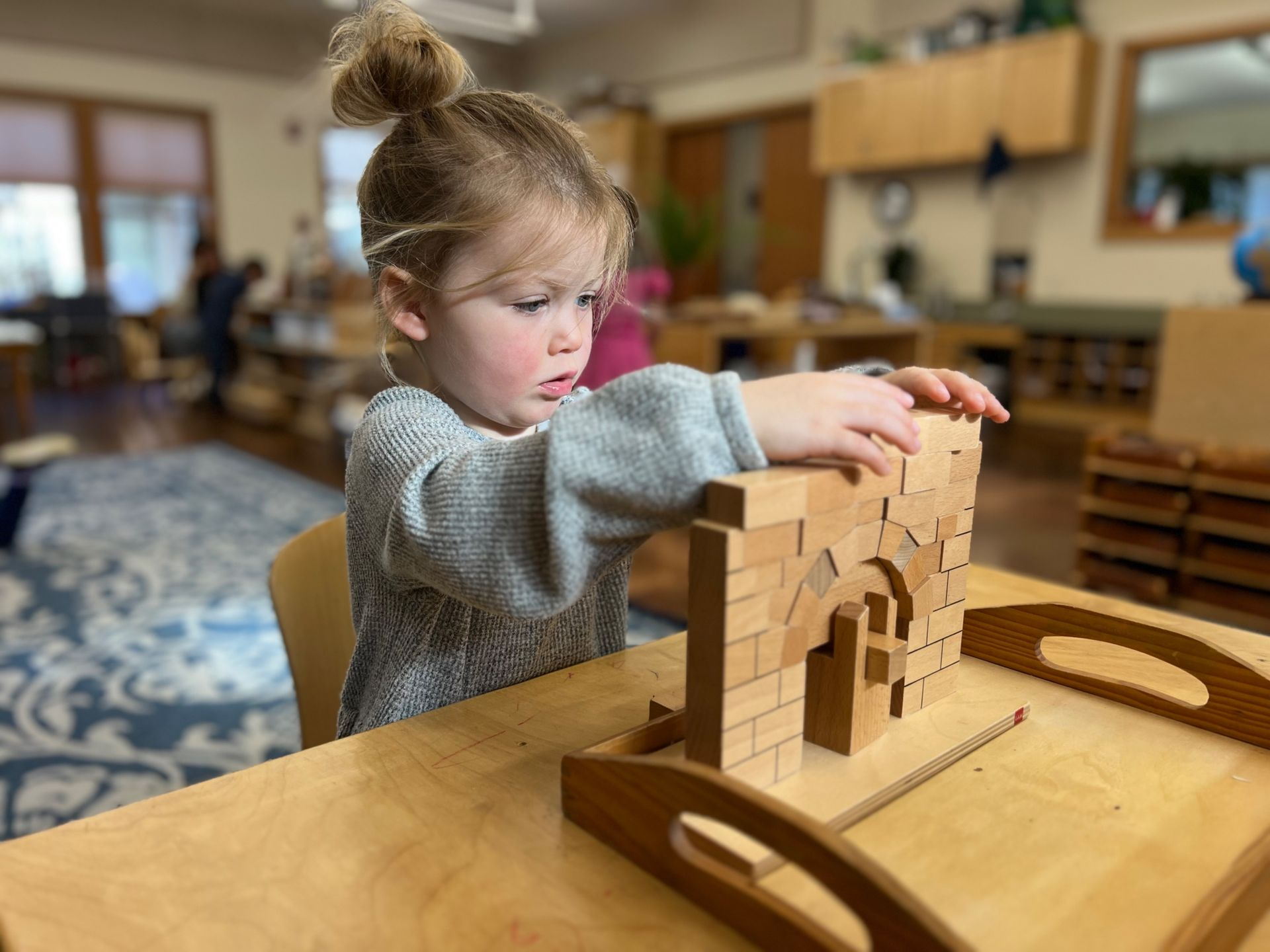
From a satisfying build to Roman history and engineering principles — the Montessori Roman Arch material grows with your child across every stage of learning.
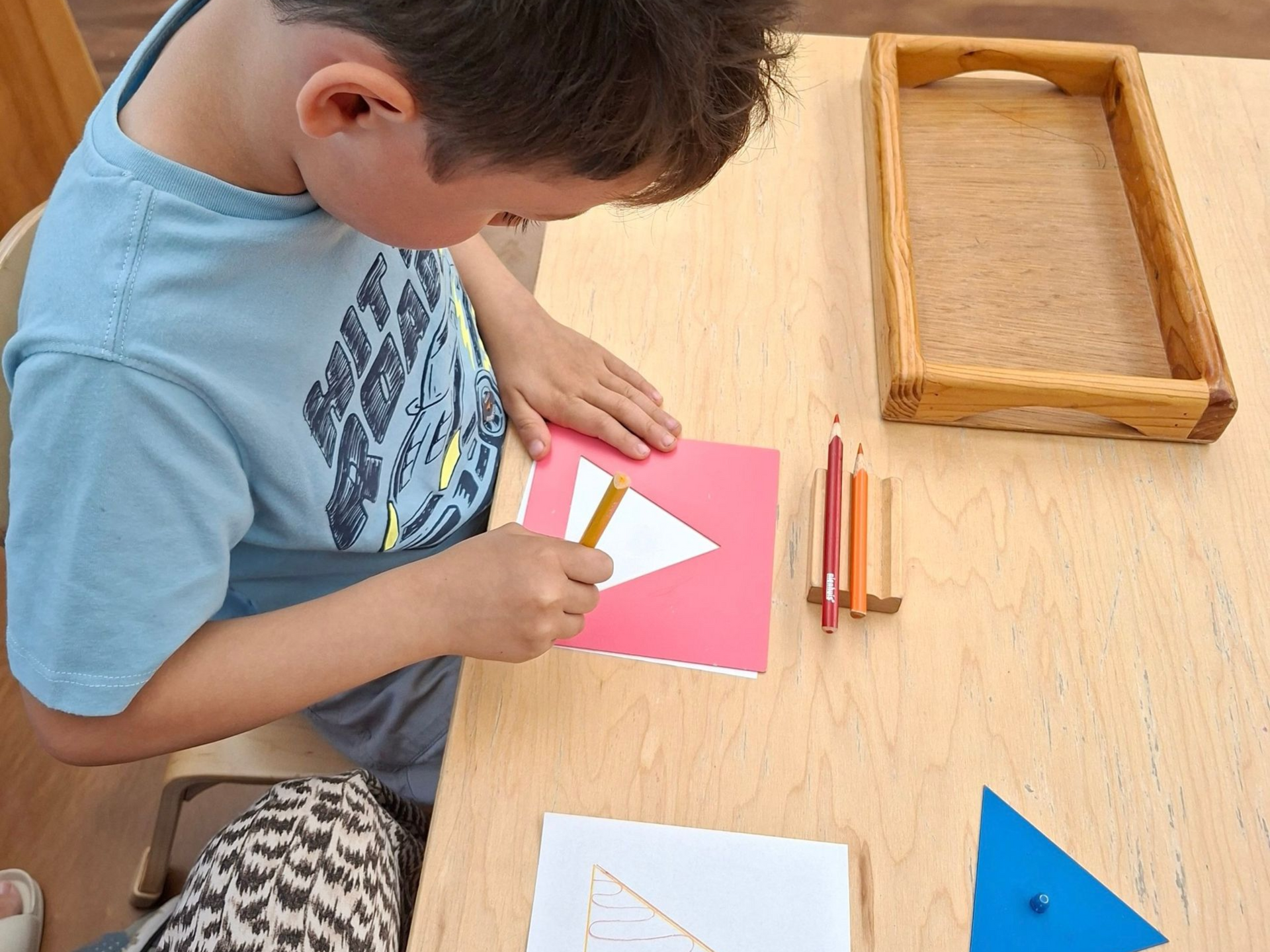
Meet the metal insets — a Montessori classic that builds the hand strength, control, and coordination children need before they ever write their first letter.
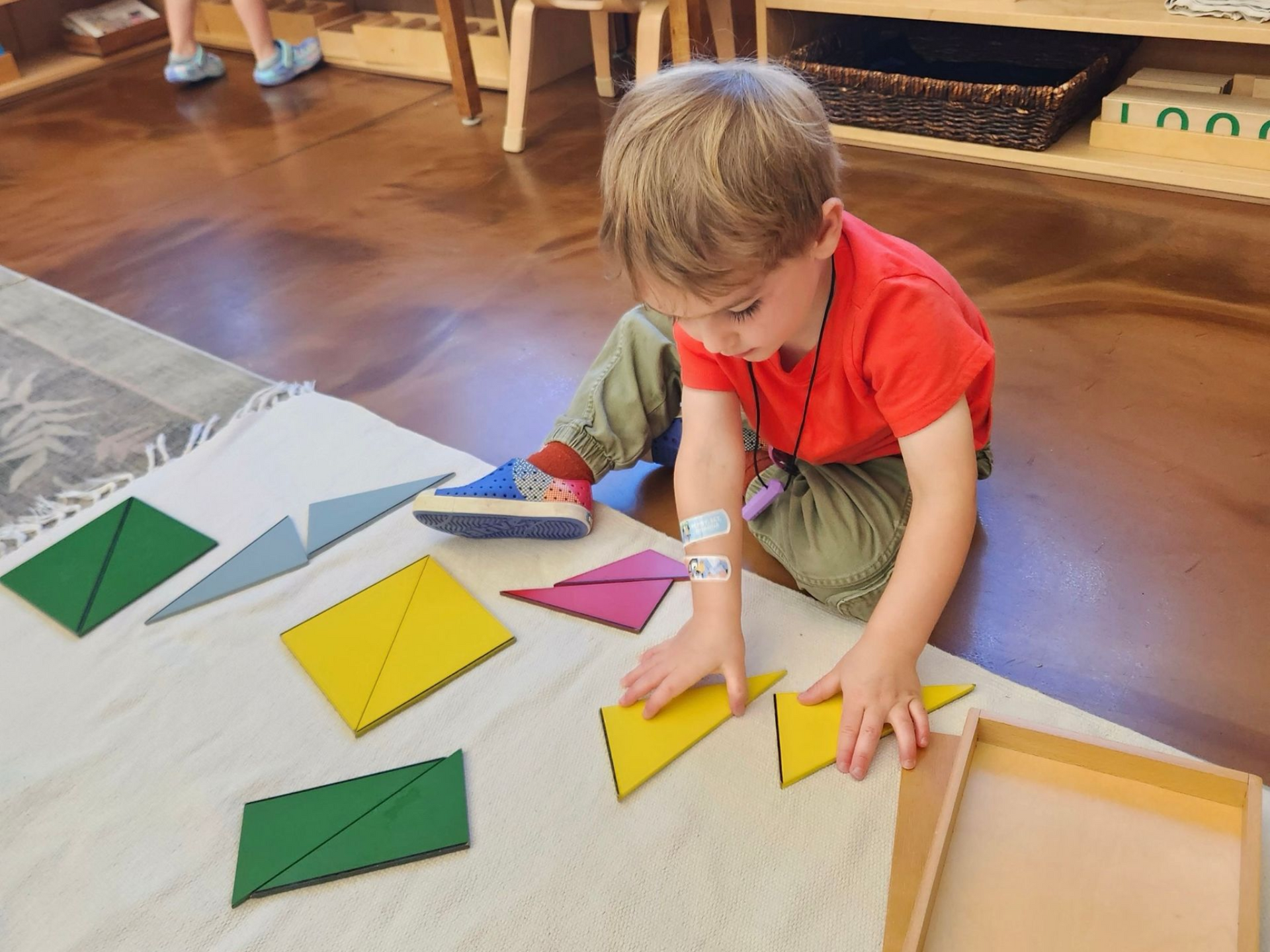
Geometry isn't just textbook formulas — it's everywhere! See how Montessori helps children discover shapes, patterns, and spatial thinking through hands-on exploration.
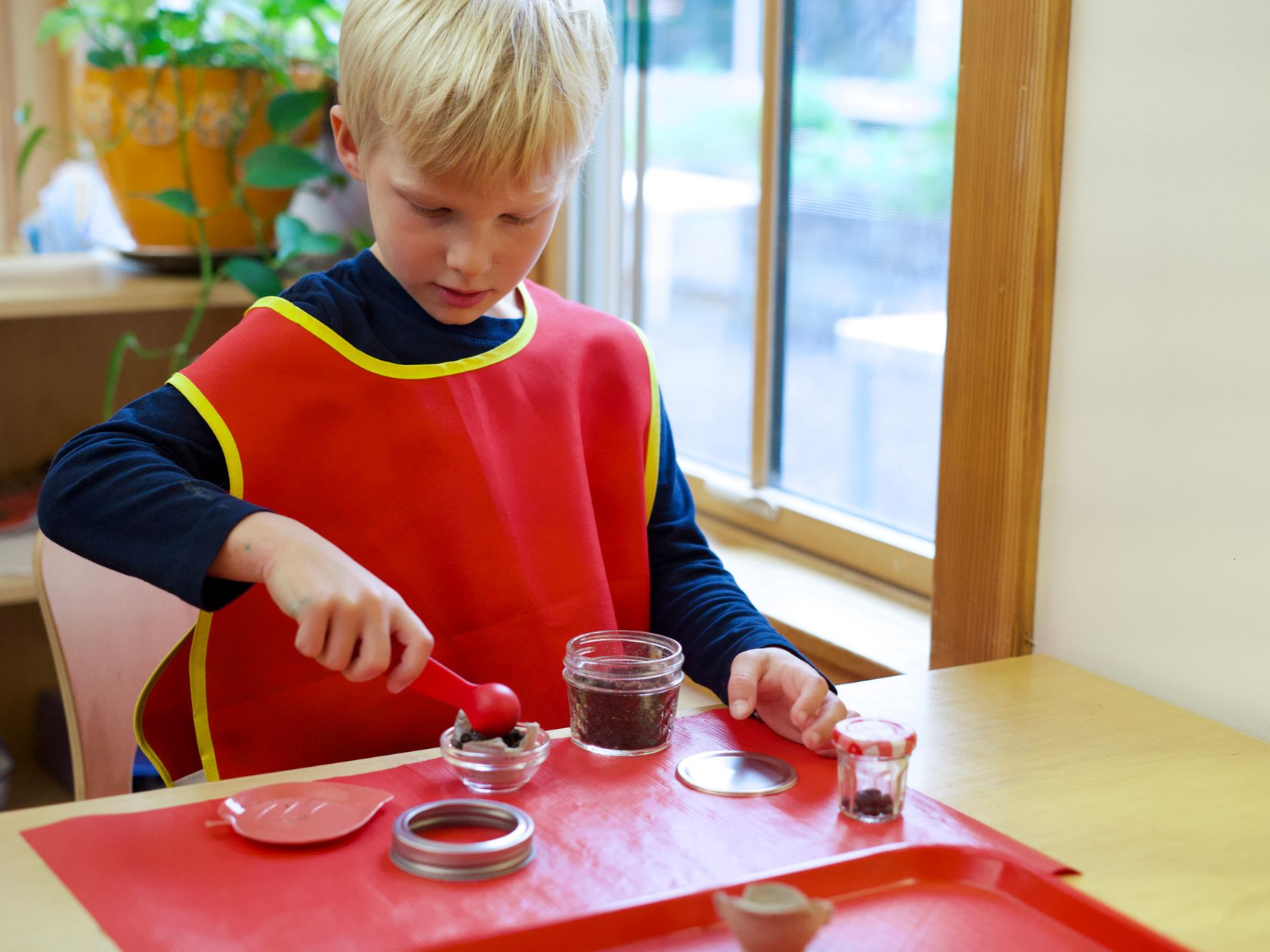
Try this simple at-home Montessori plant experiment! Kids observe what living things truly need to survive — just four seedlings, a notebook, and one week.
Discover how playful parenting fills your child's emotional cup, strengthens connection, and even improves behavior — all by following the giggles.