
Setting up a Montessori-Based Space at Home
As parents, we want to nurture our young children's growth and independence. Because Montessori philosophy centers on supporting children’s natural development through a carefully prepared environment, we can turn to Montessori principles to help us create ideal home spaces for our toddlers.
Understanding the Montessori Philosophy
At the heart of Montessori is the understanding that children are active, self-directed learners. Dr. Maria Montessori observed how children thrive intellectually, emotionally, and socially when provided with a nurturing environment and the freedom to explore. A Montessori room embodies these principles by offering a space where our toddlers can engage in purposeful activities, make choices independently, and develop essential life skills.
Their Developing Personality
The interrelation between children and their environment is vital, as experiences in the environment help form our children’s personalities. During the first few years of life, children are forming an incredible number of neural connections and there is a continual feedback loop between a child’s genetic code and the environment.
A child’s genetic code determines how they interact with their environment, and then their interactions influence how the genetic code is expressed. As children interact with their environment, mental pathways form. Patterns in the brain are established and repeated experiences have a larger impact. Ideally, we want our children’s neural pathways to be healthy patterns of emotion and thought.
As such, our toddlers’ space should have both boundaries and opportunities that help them develop a healthy sense of security, order, and engagement.
Practical Tips for Creating a Montessori Room at Home
Choose the Right Furniture
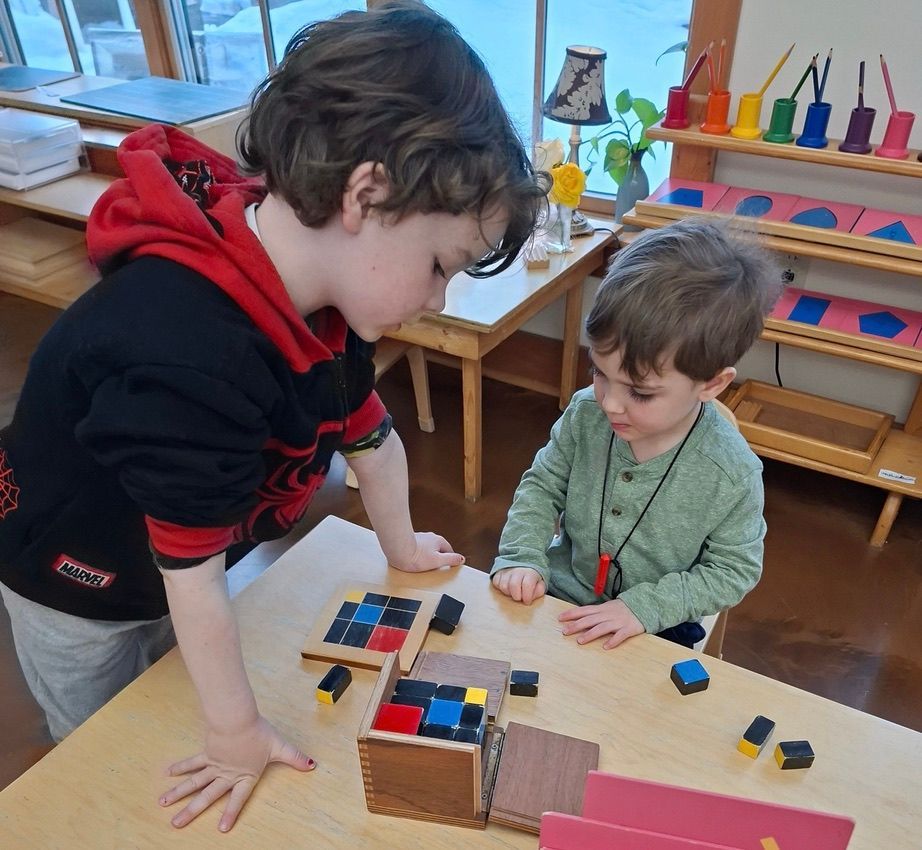
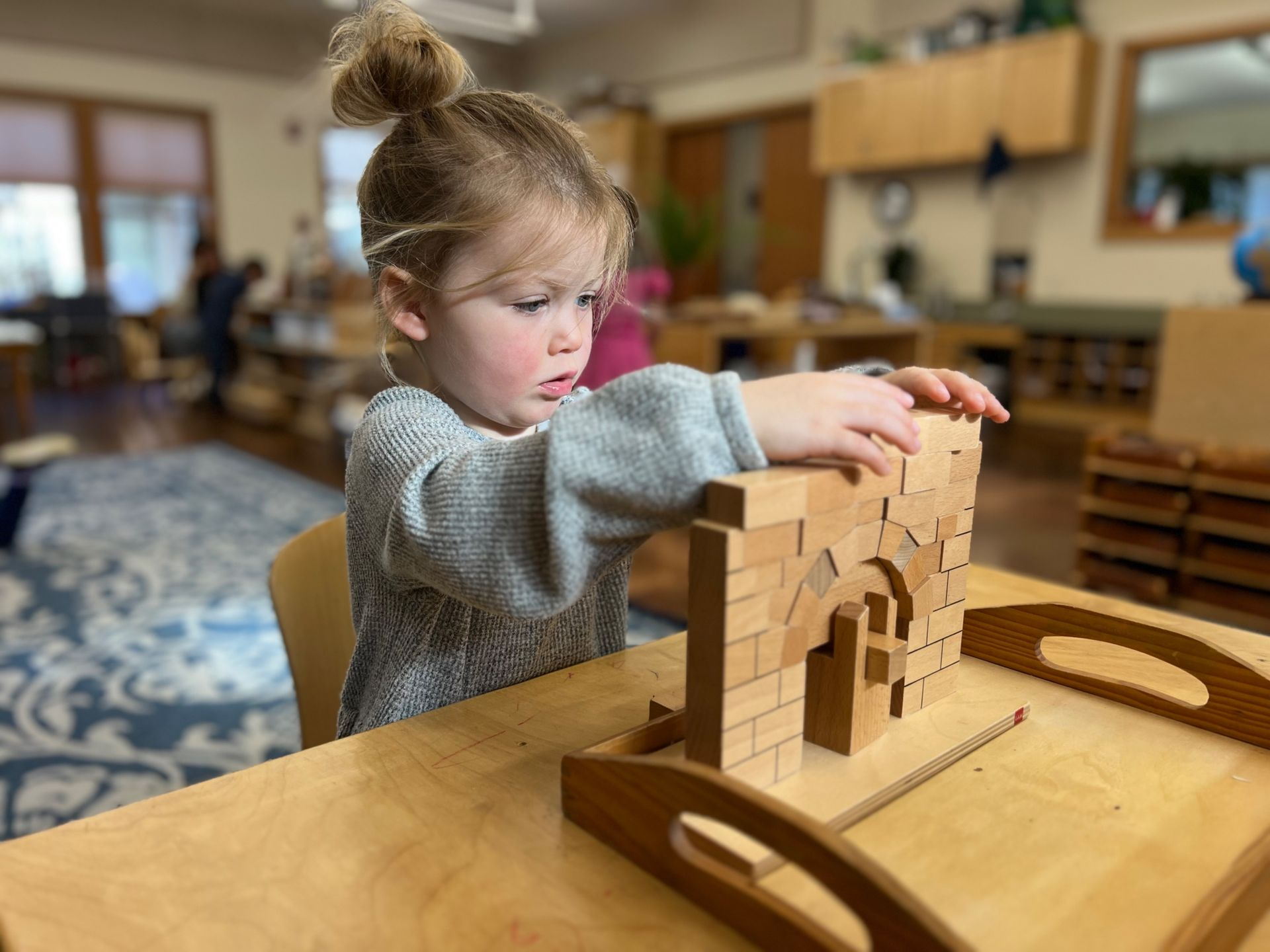
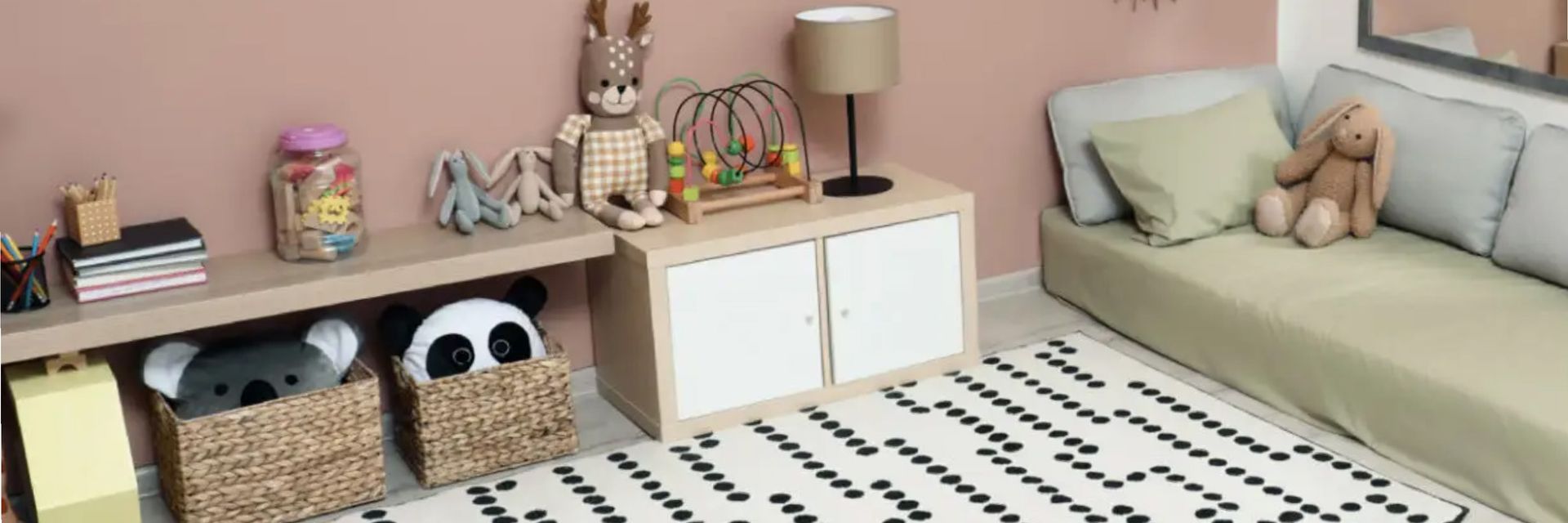
We can begin by selecting furniture that aligns with our toddler's needs and capabilities. Opt for child-sized pieces such as low shelves, a small table and chair, and a low bed or mattress on the floor. These elements empower children to navigate their environment with ease, promoting a sense of autonomy and confidence.
Create Inviting Spaces
Designate distinct areas within the room to cater to various activities and interests. A cozy reading nook outfitted with books at eye level encourages literacy and quiet reflection, while open shelves with a few manipulative toys invite exploration. Be sure to also have ample space for movement. Try getting down to your child’s level to see how the space looks and feels from a child’s perspective.
Simplify and Declutter
Embrace minimalism in a toddler's room by paring down to the essentials. Make sure that each item has a designated place and that part of the routine is returning the item to where it goes. This cultivates your child’s sense of order. Over time, gradually rotate toys to help maintain interest and engagement.
Promote Independence
Foster your toddler's burgeoning independence by arranging the room to facilitate self-care and autonomy. Install a low mirror to aid in dressing and grooming activities. Provide accessible storage solutions for clothing and personal belongings. Incorporate a step stool in the bathroom to allow your child to practice handwashing, toothbrushing, and general self-care.
Include Natural Materials
Infuse the room with elements of nature by incorporating toys made from natural materials and limiting the amount of plastic and battery-operated items. Look for natural items that stimulate children’s senses and foster a deeper connection to the natural world. Opting for sustainable and eco-friendly options also promotes environmental stewardship.
Prioritize Safety
In order for your toddler to navigate the space independently, you’ll want to feel assured that the room is meticulously childproofed to eliminate potential hazards. Anchor furniture to the wall to prevent tipping, secure cords out of reach, and regularly inspect the room for any safety concerns.
Follow Children's Lead
Above all, honor your toddler's unique interests, preferences, and developmental pace. Observe their interactions with their environment and adapt the room accordingly. If you see them wanting to climb on a table or shelf, offer safe alternative climbing options. By tailoring the space to their evolving needs and abilities, we support their developing curiosity and engagement. In this process, they develop a sense of agency and self-confidence that will serve them well throughout life.
Creating a Montessori-inspired room at home doesn’t have to be hard! Plus, by thoughtfully curating the environment to align with your toddler’s developmental needs and interests, you lay the foundation for a lifetime of joyful learning and exploration. Embrace simplicity, foster independence, and above all, cherish the wonder and curiosity that define childhood. In a safe, inviting space created especially for them, your toddler can thrive, flourish, and become the best version of themselves.
If you would like some inspiration, come
visit our school to see how we create spaces for young children that cultivate curiosity, independence, and a love for learning.