
Valorization: Helping Adolescents Experience Their Own Worth
In Montessori, we recognize that every young person needs to feel they belong, that they are capable, and that they have something of value to contribute to their world. This process of valorization, of coming to know one’s own worth through effort, adaptation, and usefulness, is at the heart of these important human needs.
The Experience of Belonging
Adolescents are entering a new and uncertain territory. They are leaving behind the familiarity of childhood and finding their way in a larger, more complex social world. What helps them to feel at home? What protects them from feeling lost?
The answer lies in experience. They need the lived understanding that they can adapt, contribute, and make themselves useful. They need the confidence that, no matter the challenge, they have within them the capacity to meet it.
This is not something that can be told to adolescents. Rather, they need to live and earn this through real activity, through purposeful work, and through freedom and responsibility. That lived experience provides valorization, a deep inner experience of usefulness and purpose.
The Roots of Confidence
Valorization is not the result of praise, good grades, or awards. It is the result of work and effort. It is the result of doing something real and discovering that you actually can do it.
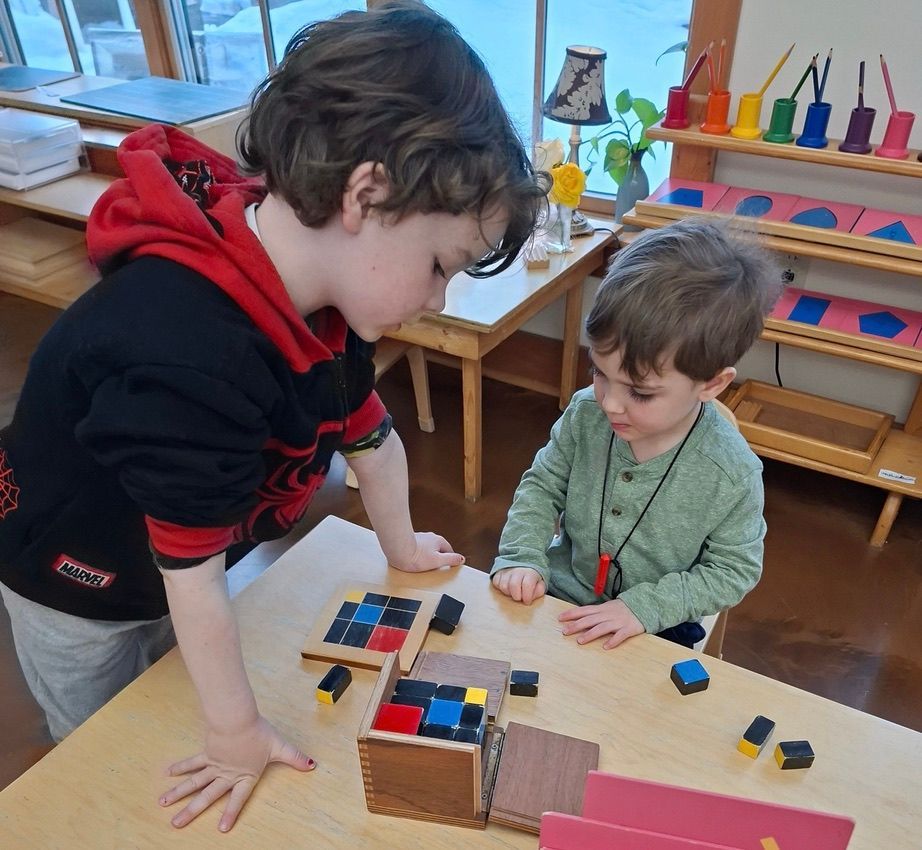
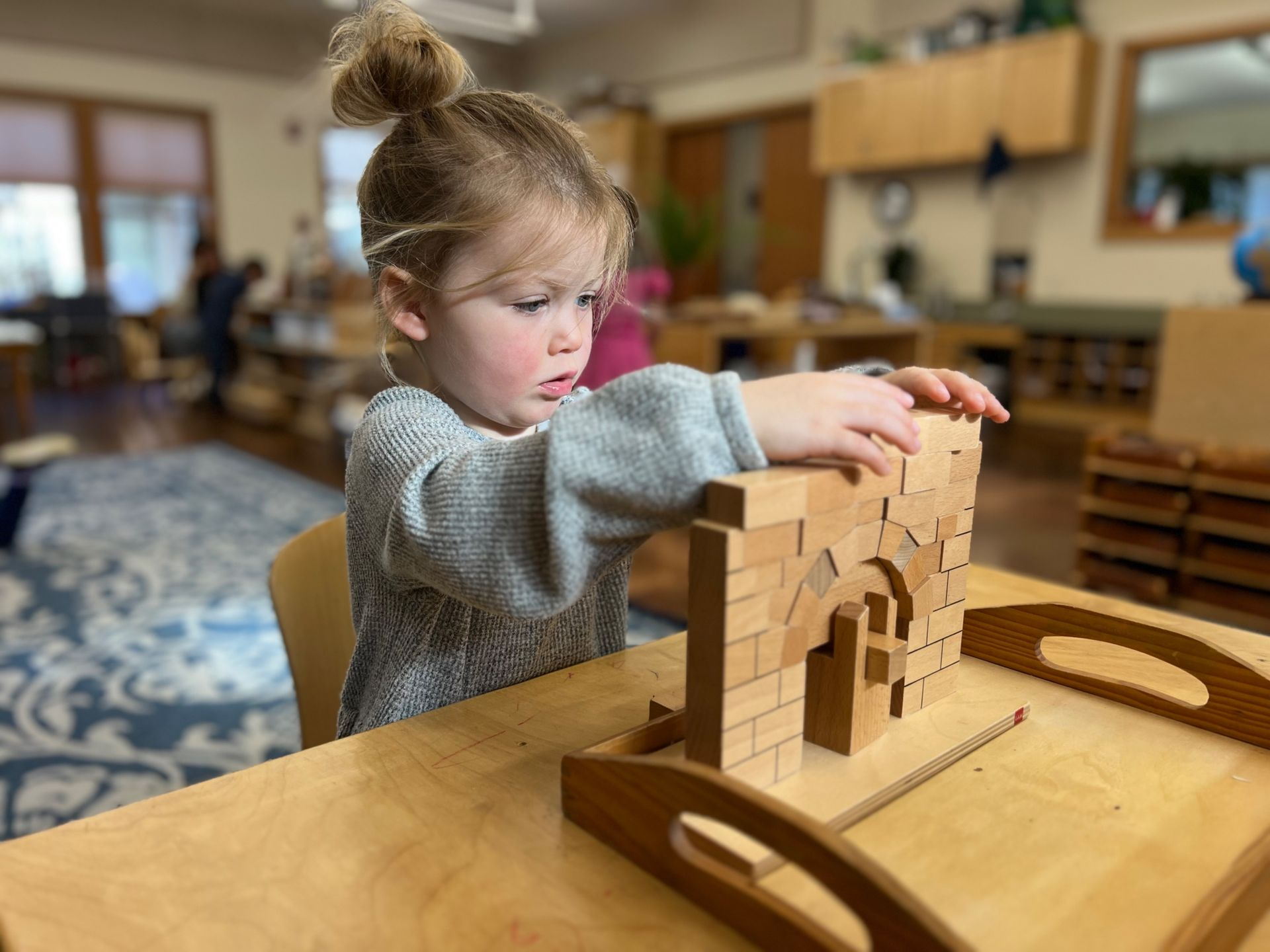
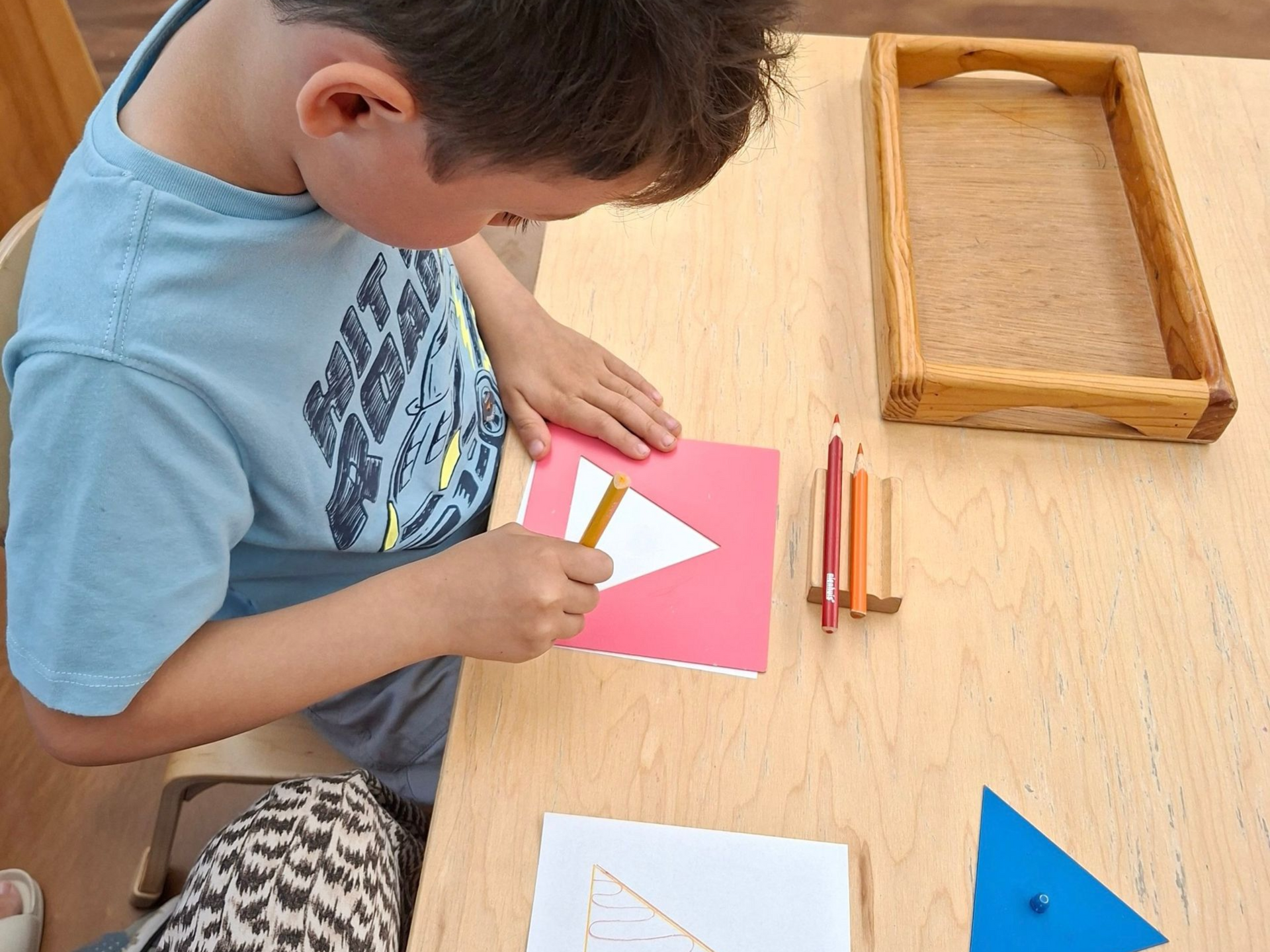
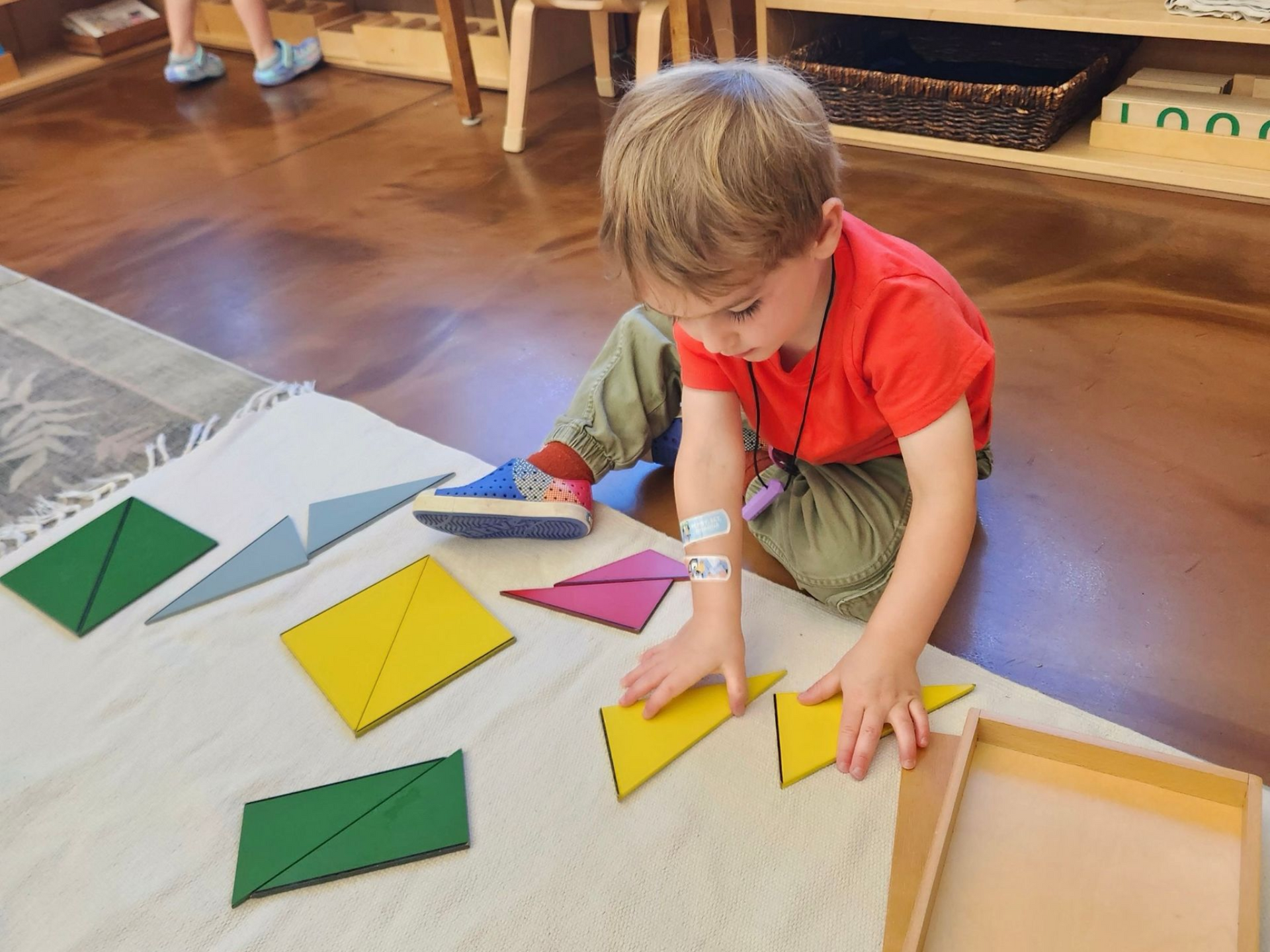
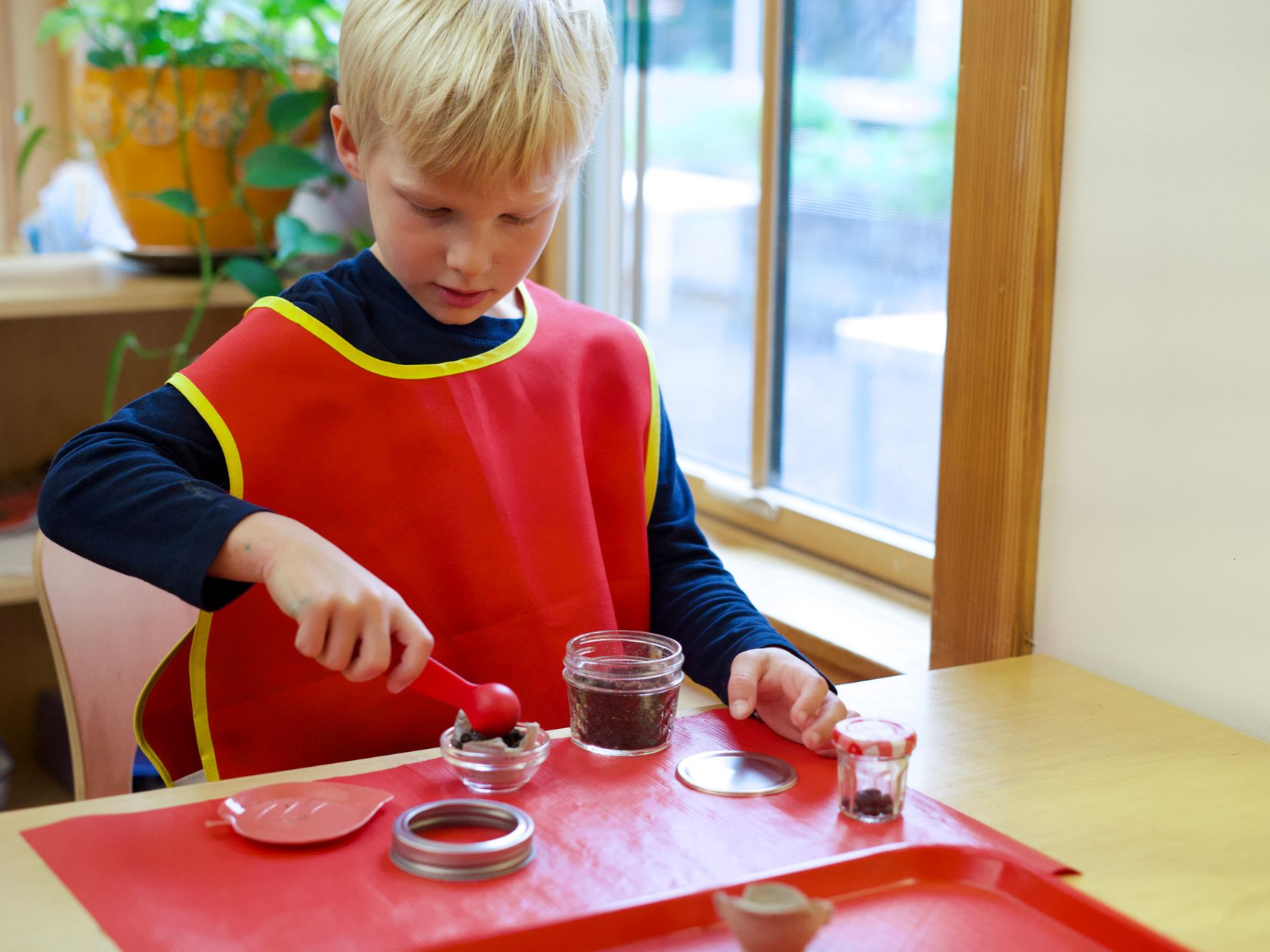
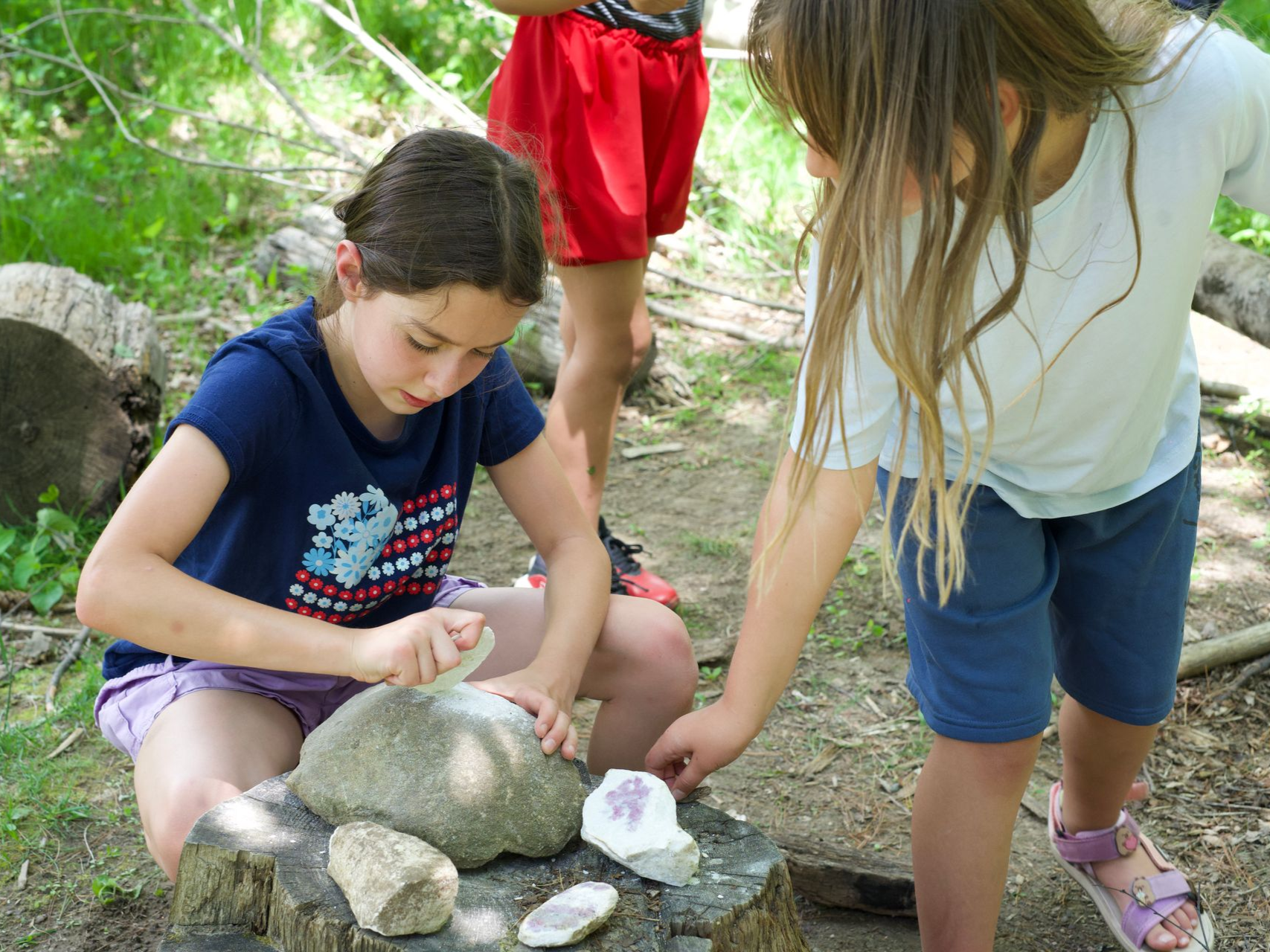
We see the beginnings of this process when a toddler insists, “I do it myself.” That same drive for independence grows and transforms over time. In our Montessori environments, we support this process as the young child learns through purposeful activity in a prepared environment, the elementary child tests fairness, justice, and morality in the social world, and the adolescent seeks belonging and contribution through meaningful work in a social context.
At each stage, children are constructing their selves. They are testing the match between their growing capacities and the environment around them. When those conditions are right, when freedom and responsibility coexist, valorization occurs. Young people feel useful. They feel their own worth.
Independence, Normalization, and Adaptation
Dr. Montessori saw human development as a process of self-construction within the particular culture, people, and environment into which a child is born. To thrive, children must adapt to this territory through independence, interaction, and activity.
When the environment welcomes children and allows freedom to move, to choose, and to act, these psychic threads of connection grow strong. Children feel they belong.
But when freedom is restricted, or when the environment doesn’t meet developmental needs, children may feel alienated. They lose that sense of being able to connect and contribute. They begin to feel disconnected in their own world.
Deeply Experienced Usefulness
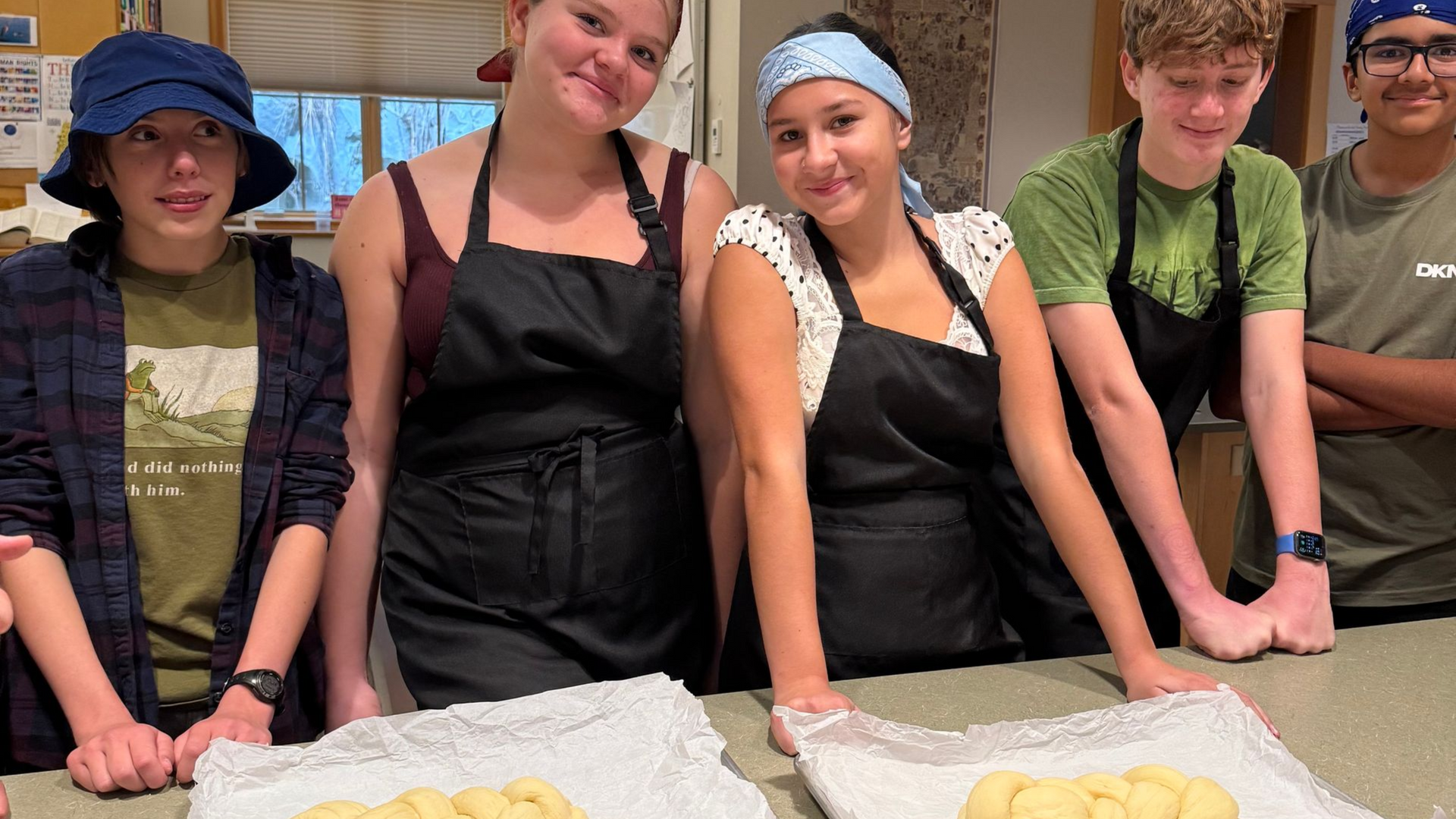
For the adolescent, valorization comes through work that matters, work that contributes to the life of the community. In Montessori programs, this may take the form of practical projects, environmental stewardship, community building, or social enterprise. But at its heart, it is not about the task itself. It is about the inner experience of usefulness.
When adolescents lead a group project, mentor a younger peer, fix a tool, or tend to animals, they experience themselves as capable and needed. They know they matter.
And once they know this, they are strengthened. They have courage. They are ready for more.
A Lifelong Process
Valorization is not a single event. It is a continuous process that unfolds through every stage of life. We experience it each time we adapt to a new challenge and find that we can meet it. Think about the infant reaching for an object with determination, the preschooler insisting on pouring their own water, the elementary child working through a problem with a friend, and the adolescent finding purpose in meaningful work.
Each is an act of self-construction, a declaration of worth, and a rehearsal for the life of an independent, resilient adult.
Trusting the Process
In Education for a New World, Dr. Montessori said, “We must take a new path, seeking the release of human potentialities.”
That path requires trust. Trust in the child’s inner guide, in the process of development, and in the power of purposeful work.
Valorization is not something we can teach. It is something we must prepare for. Our role is to create the conditions where valorization can unfold: an environment rich with real responsibility, freedom, and meaningful human connection.
When we do, children come to know, deep within themselves, that they are capable, adaptable, and valuable. They no longer feel out of place in the world. They feel at home within it.
Come to Lenox to see how the Montessori School of the Berkshires helps young people feel at home throughout their many stages of development.