Roles & Goals: The Montessori Guide
Our society knows teachers. Teachers give information. Teachers provide an education. Teachers instruct.
In a Montessori classroom, however, the role of the adult is rather nuanced. The adult is there to facilitate, suggest, model, and observe. The materials teach. The adults advise.
Those of us accustomed to traditional models of education may find this odd or even worrisome. How can we expect our children to learn if the teachers don’t teach?
Traditional vs. Montessori
Because the Montessori model is quite different from traditional education, the adults responsible for providing a Montessori experience have very different responsibilities, skills, and abilities than those of teachers in a traditional method.
Historically children have been seen as blank slates or empty vessels that just need to be filled with information or knowledge. The teacher’s role has been to fill the vessel, to teach. Because the teacher passes information, correction, and validation to the student, the teacher is the material for learning.
Rather than seeing children as empty vessels, Montessori teachers see a bundle of potential just waiting to be realized. As such, the focus is on discovering these hidden potentials in children and supporting their development. This happens most effectively when children are actively engaged in their learning process.
In the traditional model, a teacher needs a number of tricks, including a system of rewards and punishments, to keep children focused on learning. But this framework of grades and evaluations isn’t actually necessary for children to learn.
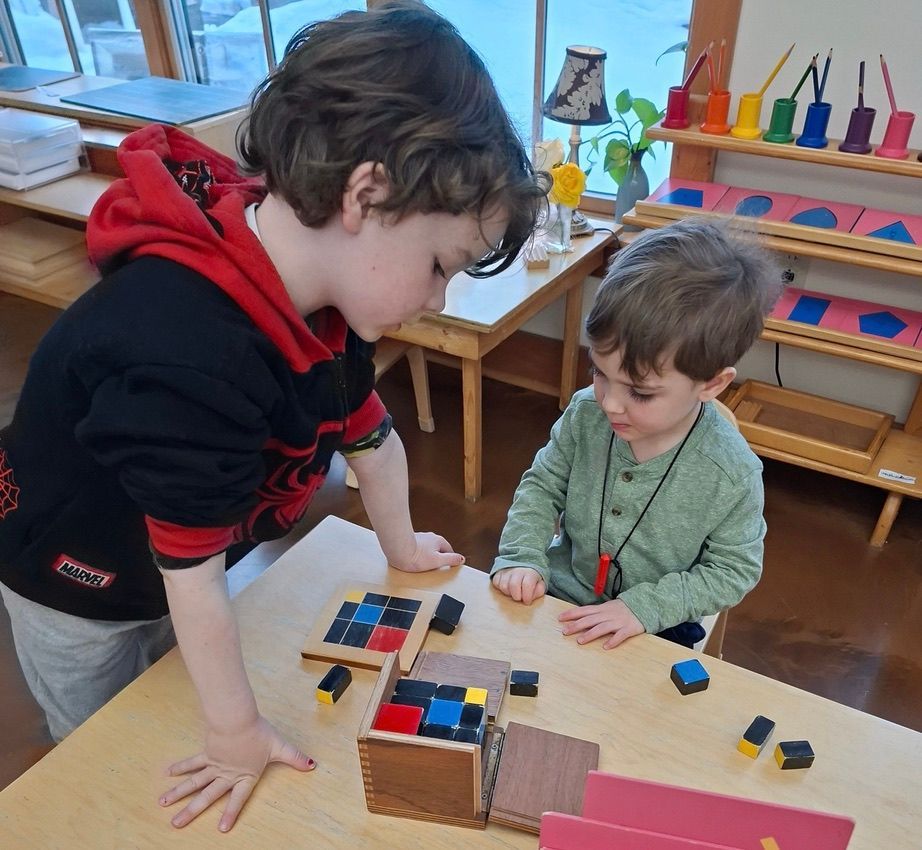
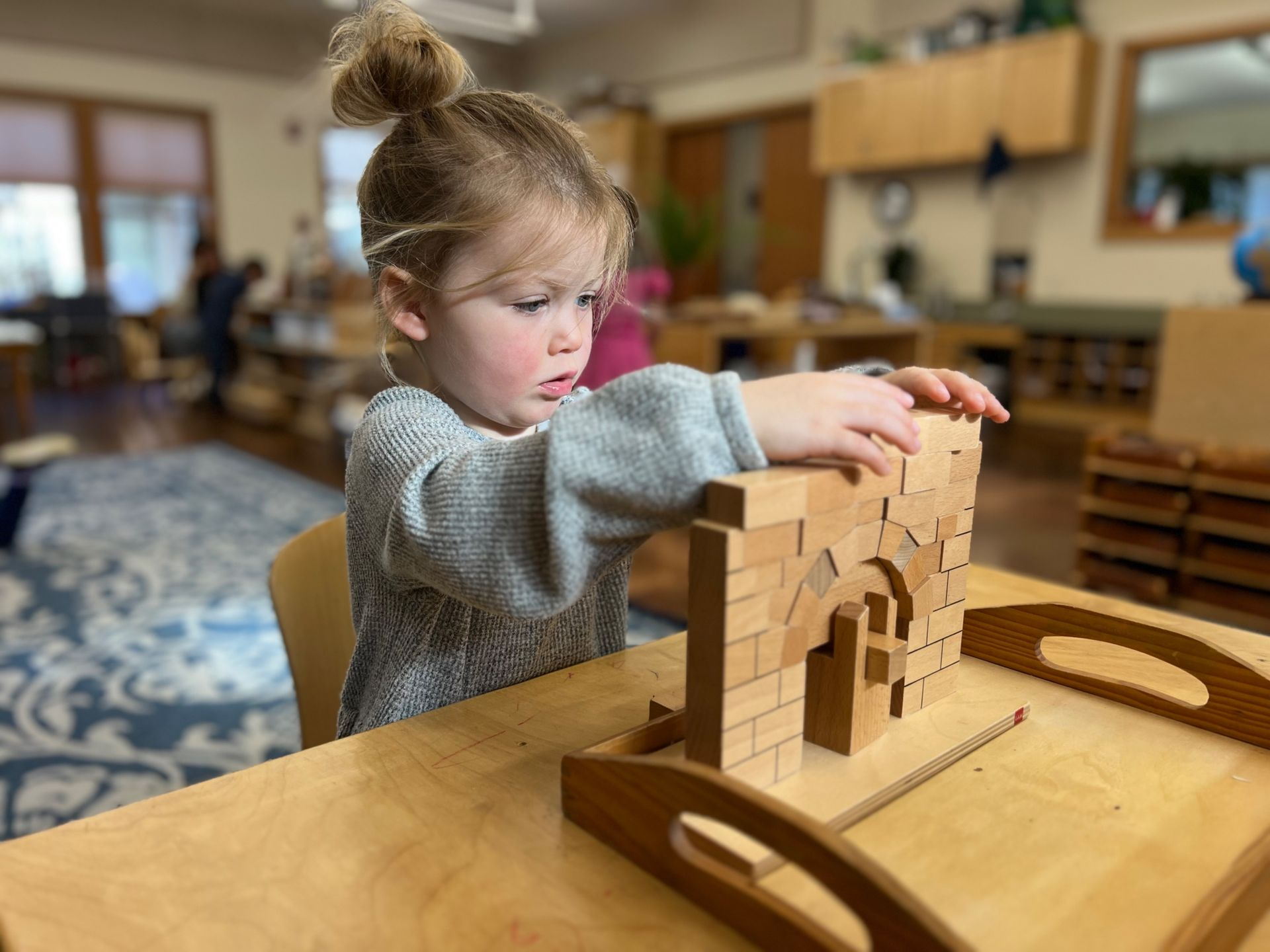
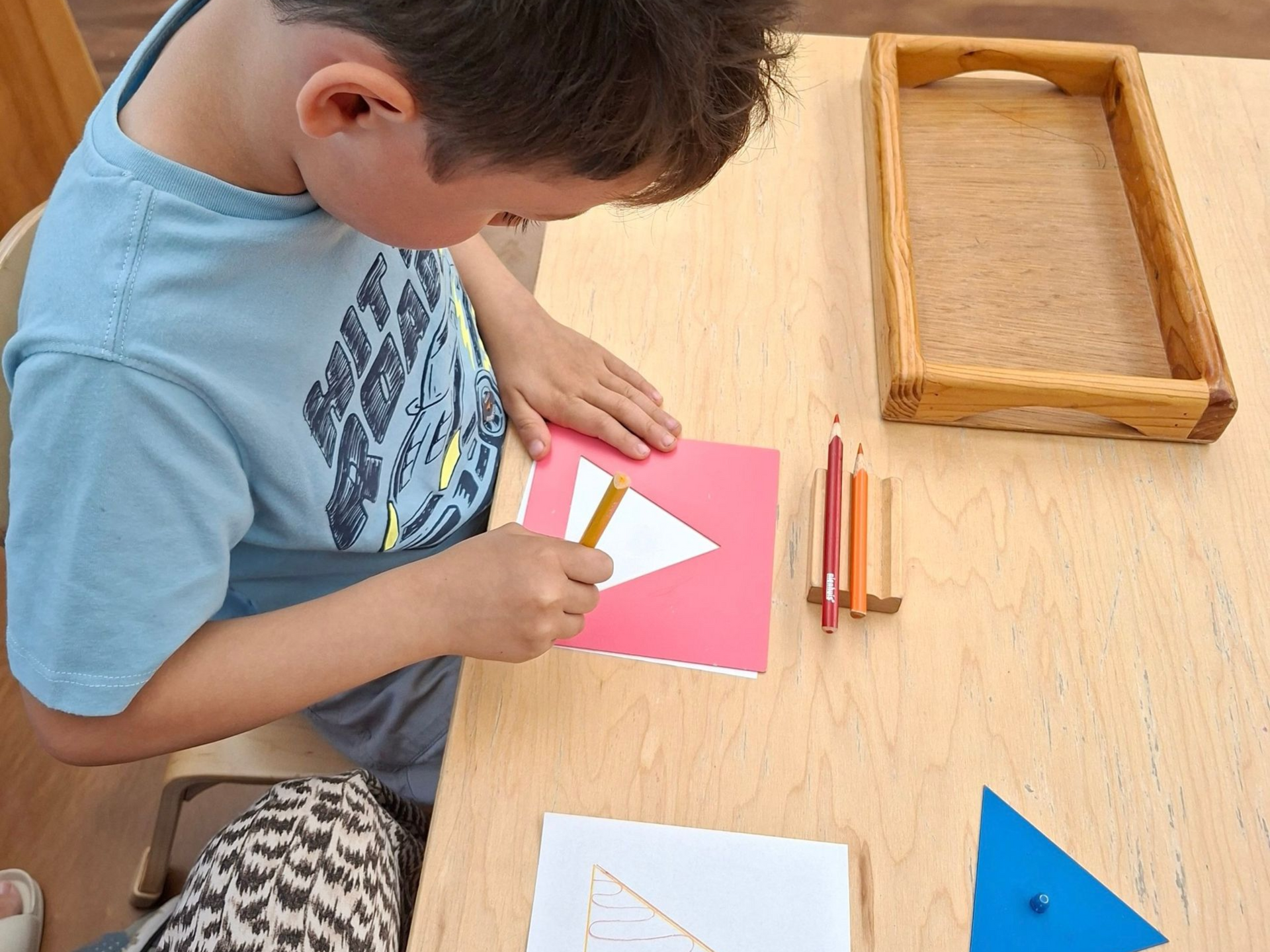
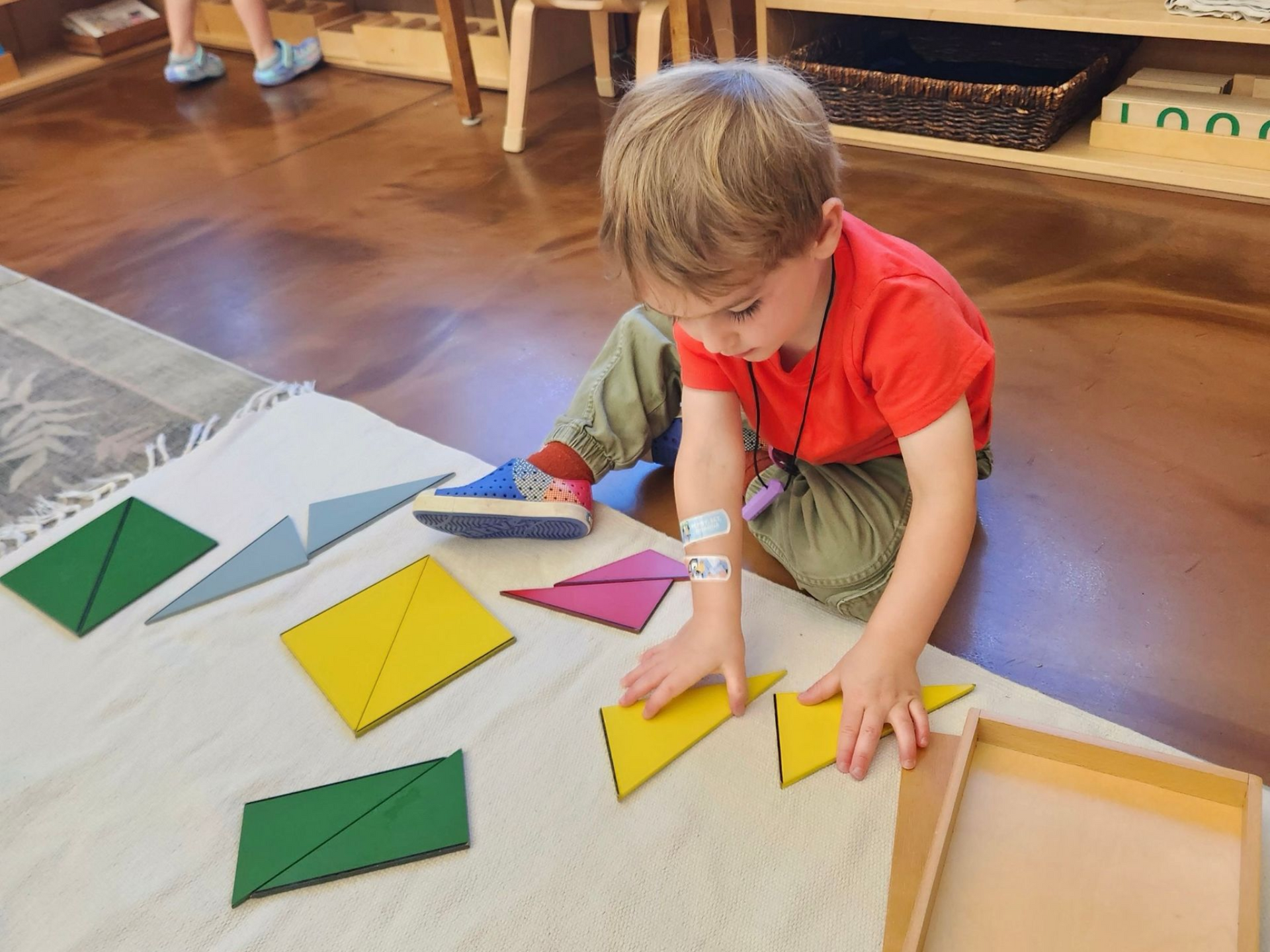
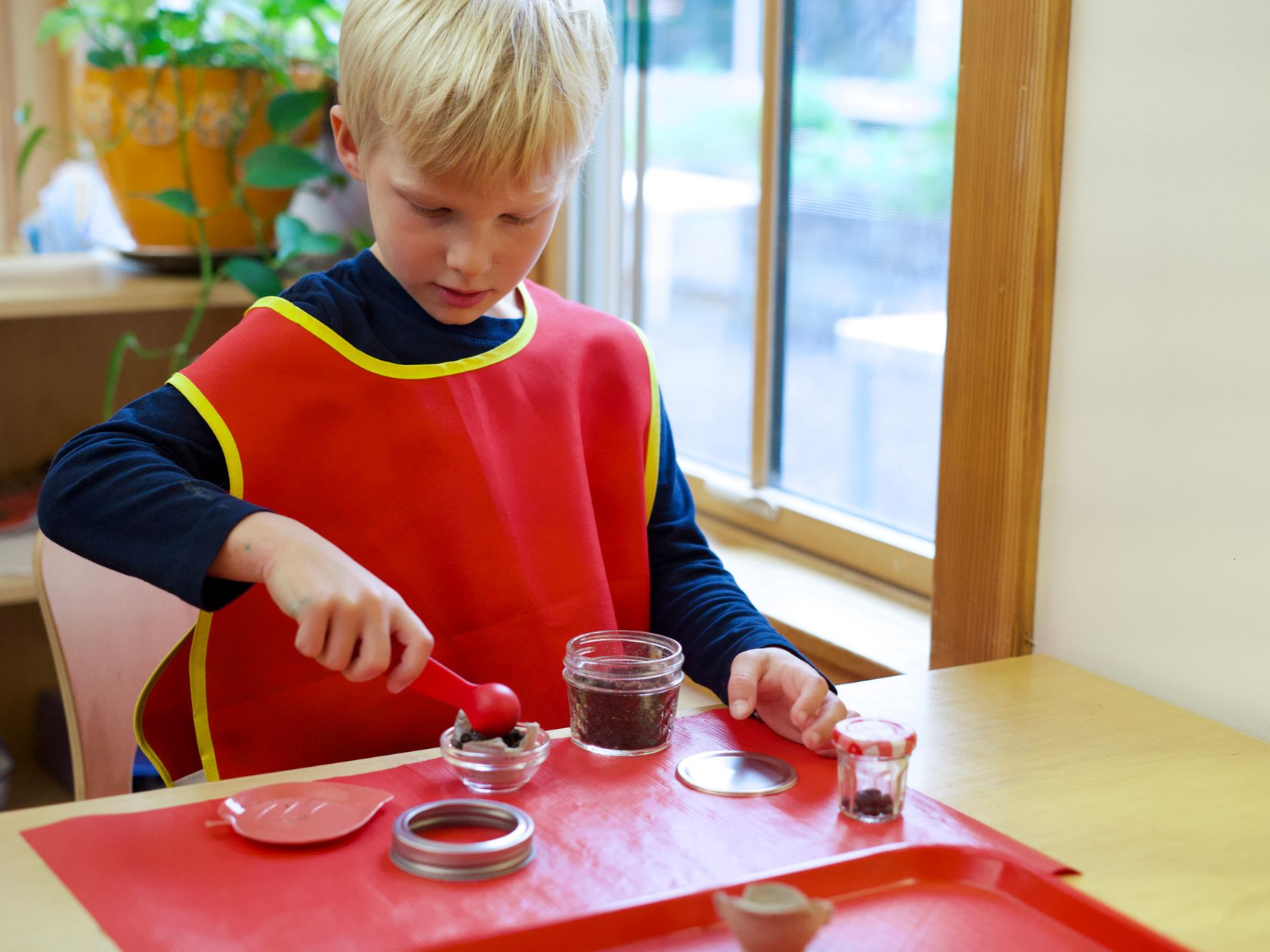
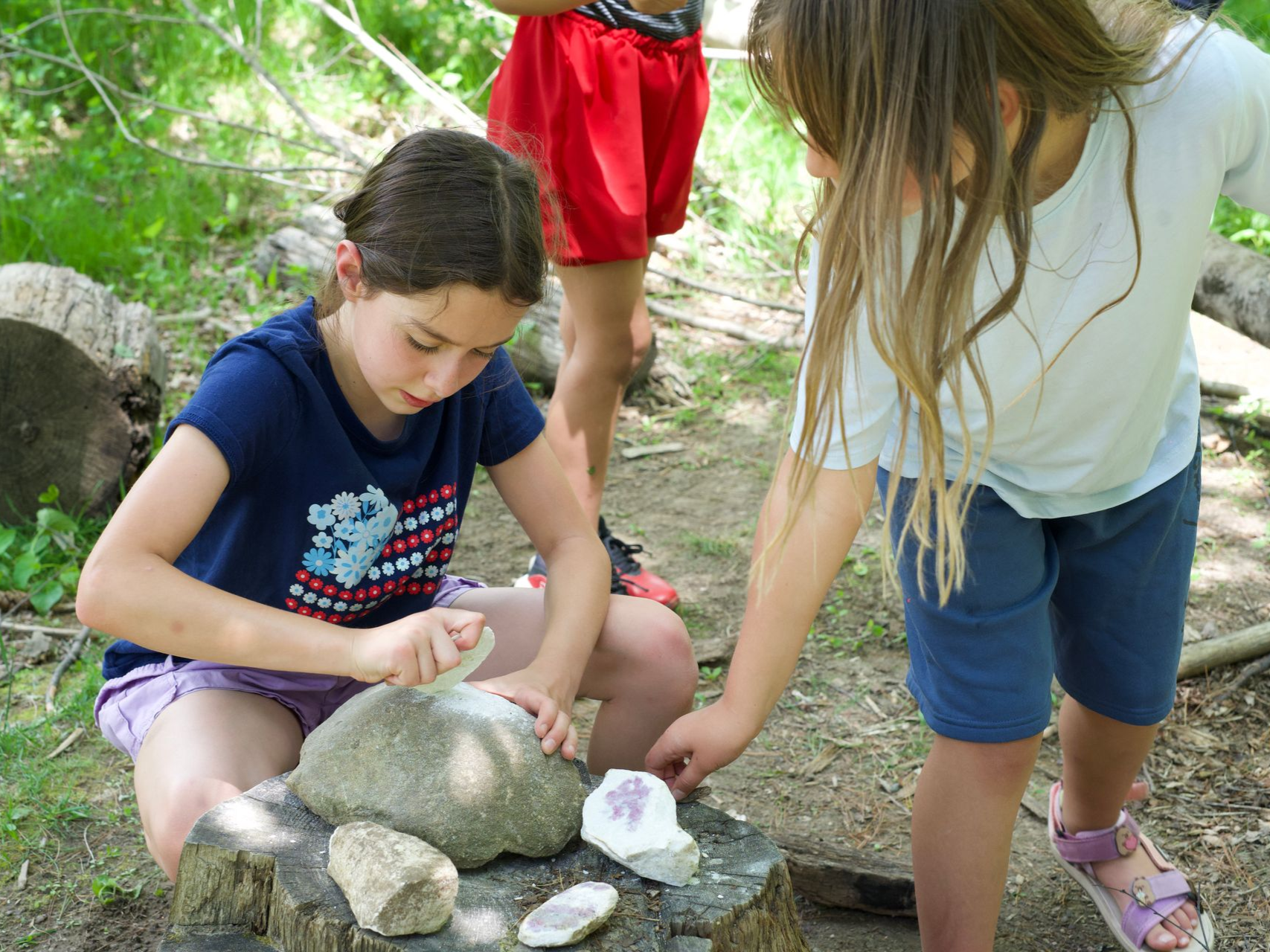
In Montessori, we see the deep intellectual, social, and emotional engagement that happens when children get to learn through their own activities. Children get to use a variety of hands-on materials to explore, discover, and internalize key concepts and skills. Montessori teachers introduce how to learn from the materials in the classroom. As a bonus, because children are active participants in their own learning, they don’t have to sit passively while remaining focused on the teacher’s activity.
Roles & Goals
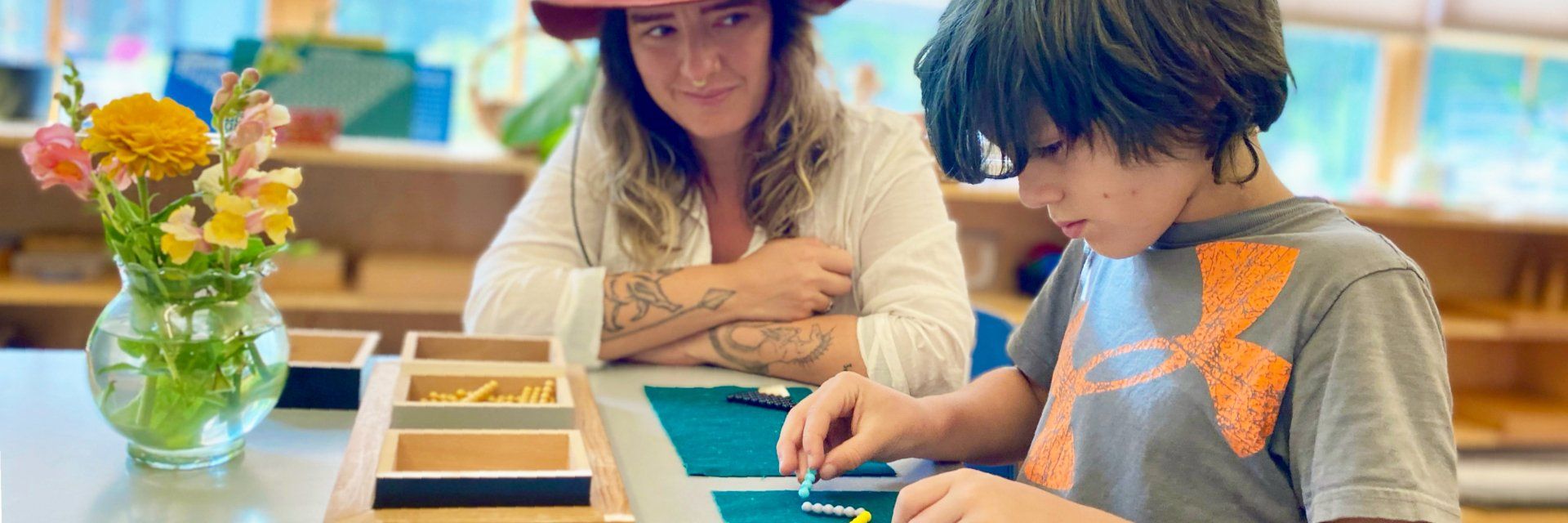
So, if a traditional model demands that the teacher’s presence is active and the student’s presence is passive, what does it look like in a Montessori classroom? When you look in a Montessori classroom, at first it may be hard to find the adults because the role of the Montessori teacher should be (or appear to be) a passive one. You may see an adult observing the room or particular children, inviting a child to a small group or one-on-one lesson, or sitting with children who are using the learning materials.
Sometimes it can be clear that the adult is presenting a lesson. In these moments, the adults do look a lot like teachers, just working with a small group rather than the whole class. Yet during these brief presentations, the goal is rarely to dispense information. Montessori teachers don’t want to teach the trick for compound multiplication, the names of all the countries in South America, the characteristics of mammals, or the function of a verb in a sentence. Rather, the goal is to give the children just enough of the lesson to pique their interest or capture their imagination. We want them to return to the learning materials again and again so that they discover the mathematical proof, scientific concept, geographical boundary, historical connection, or grammatical rule on their own.
Teachers vs. Guides
Because this goal and the role of the adult are so different, we often refer to our teachers as guides. This change in terminology shifts our thinking. Montessori teachers don’t lead a class from the front of the room. Our guides provide paths for children to learn that the quantity of 10 feels bigger than the quantity of two, that nouns name things, that equivalent fractions really fit into the equal space, or that 82 actually forms a square!
Montessori guides are acutely aware of how to support children on these varied and delightful paths of progress. Like the rudder of a ship, our guides allow children to embark on a journey of discovery while offering adjustments and changes to the course as needed. The result? Children flourish as active, creative, curious thinkers.
We’d love to have you come to visit our classrooms to experience how we guide children in this remarkable world, encourage active engagement, and support a life-long love of learning.