What Kind of Learning Do We Value?

Human beings are creatures of habit. Habits are comfortable, and it is generally easier to continue doing things the way they have always been done. Change is messy, confusing, and often pretty challenging.
At our school, we believe in the importance of examining our habits periodically. We think it’s critical to ask ourselves: “Why are things done this way?” “What is our motivation for taking this particular path?”
We think it’s vital to stop, recognize our values, and make sure that our actions align with those values.
So, this brings us to today’s question: What kind of learning do we value?
In many ways, our current conventional education system reflects one that was created long ago, and to satisfy the needs of a culture that has changed drastically since then.
Let us pause to consider what learning is, what our goals and values are, and what we might do to align the two.
Defining and categorizing education and learning
Let’s get right to the point:
learning: 1. the act or experience of one that learns 2. knowledge or skill acquired by instruction or study 3. modification of a behavioral tendency by experience
education: 1. a. the act or process of educating or being educated b. the knowledge and development resulting from the process of being educated 2. the field of study that deals mainly with methods of teaching and learning in schools
Long ago, the original goals of schools were to provide children with the knowledge they would need to successfully enter the workforce. This is still largely the case, although as a society we have begun to recognize the importance of inspiring a love of learning and developing the child as a whole person. There are many schools and educators who have worked hard to develop new methods and adjust old ones to meet the needs of today’s students.
Have we come far enough?
What are our values?
What do we, as a society, consider to be important? As we have all realized in recent years, values can be highly personal and they also have the potential to be incredibly polarizing.
We believe there is a way to blend the desires of various groups and viewpoints. We think it’s not only possible, but critical for us to all consider the importance of both individual liberty as well as empathetic support of those around us. The following are some of our most important values. We encourage you to reflect and consider your own.
- Equity
- Justice
- Freedom
- Truth
- Innovation
- Empathy
- Individuality
- Environmental Stewardship
What do we hope our children will gain?
If our children are spending the bulk of their waking hours at school, of course we want that time to be valuable for them. In generations past the goal was to impart knowledge from adult to child. While that idea remains in a sense, the way we access and share knowledge has shifted dramatically. So what should we want from our children’s education?
Instead of memorizing dates and historical figures, could we instead draw lessons from our collective mistakes and triumphs? Could we honor the work of those who have come before us, while also acknowledging what hasn’t gone well?
Do we want to administer extensive amounts of predetermined courses, or might we ensure children have a solid understanding of basic information, as well as the motivation and skills to pursue deeper studies of their own interests?
Might we acknowledge that learning is not linear, nor does a room full of children progress at the same pace? Could we utilize a system of mathematics education that allows each individual child to progress incrementally as they master specific skills?
Are we prepared to teach our children how to differentiate between fact and fiction? Do they know what sources to look to and which ones they should question?
Are we directly teaching soft skills regularly and with as much reverence as we give academics?
Do we want school to prepare our children for the workforce, or do we want school to prepare our children for life?
Does our system of education reflect these goals and values?
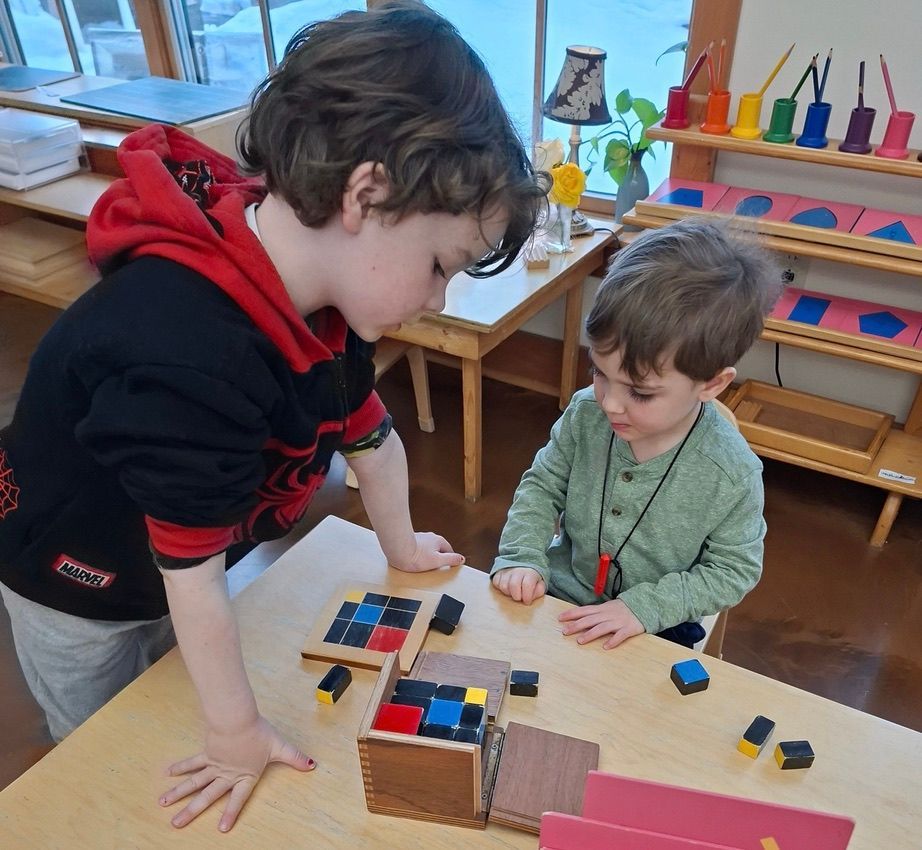
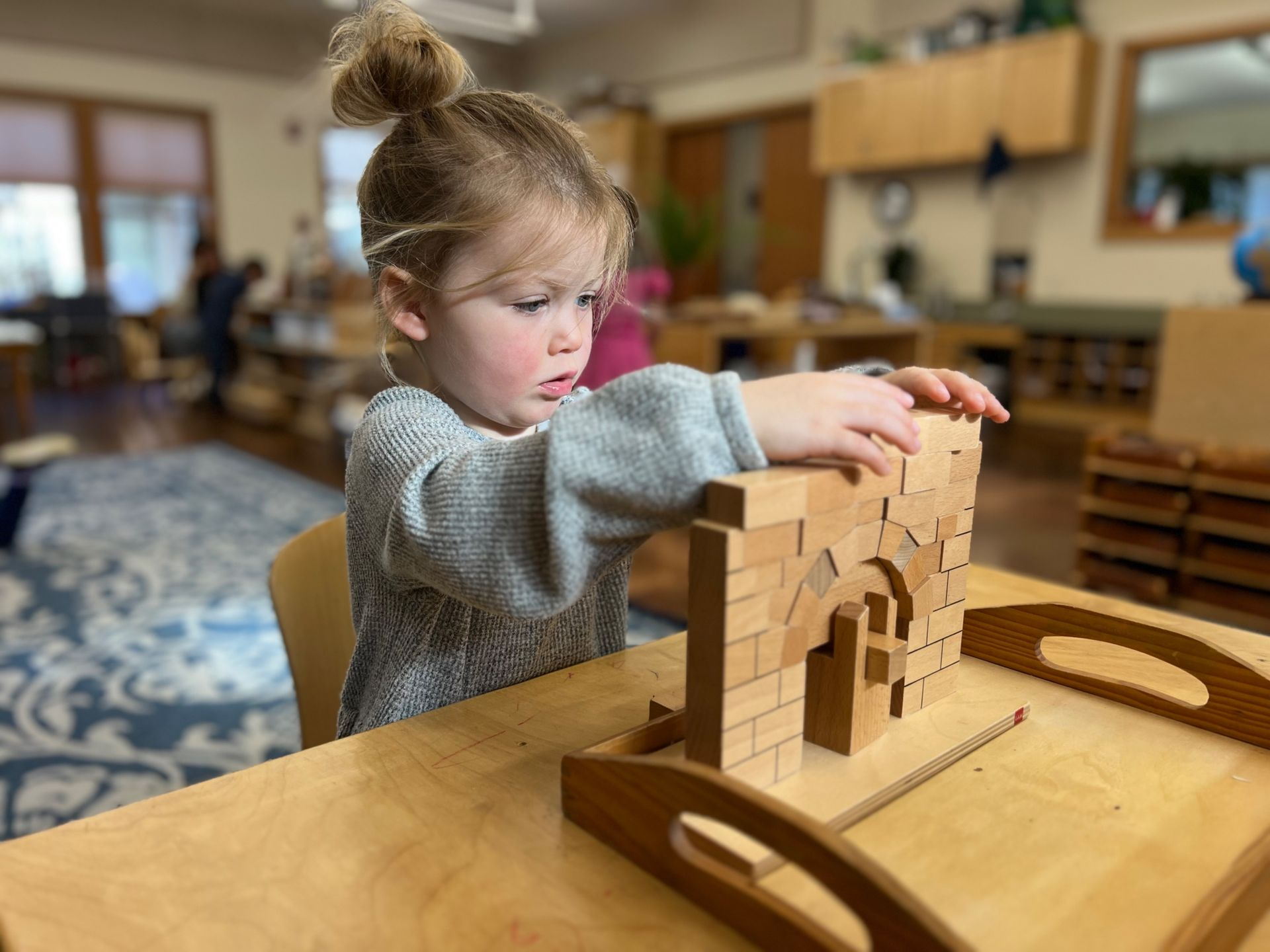
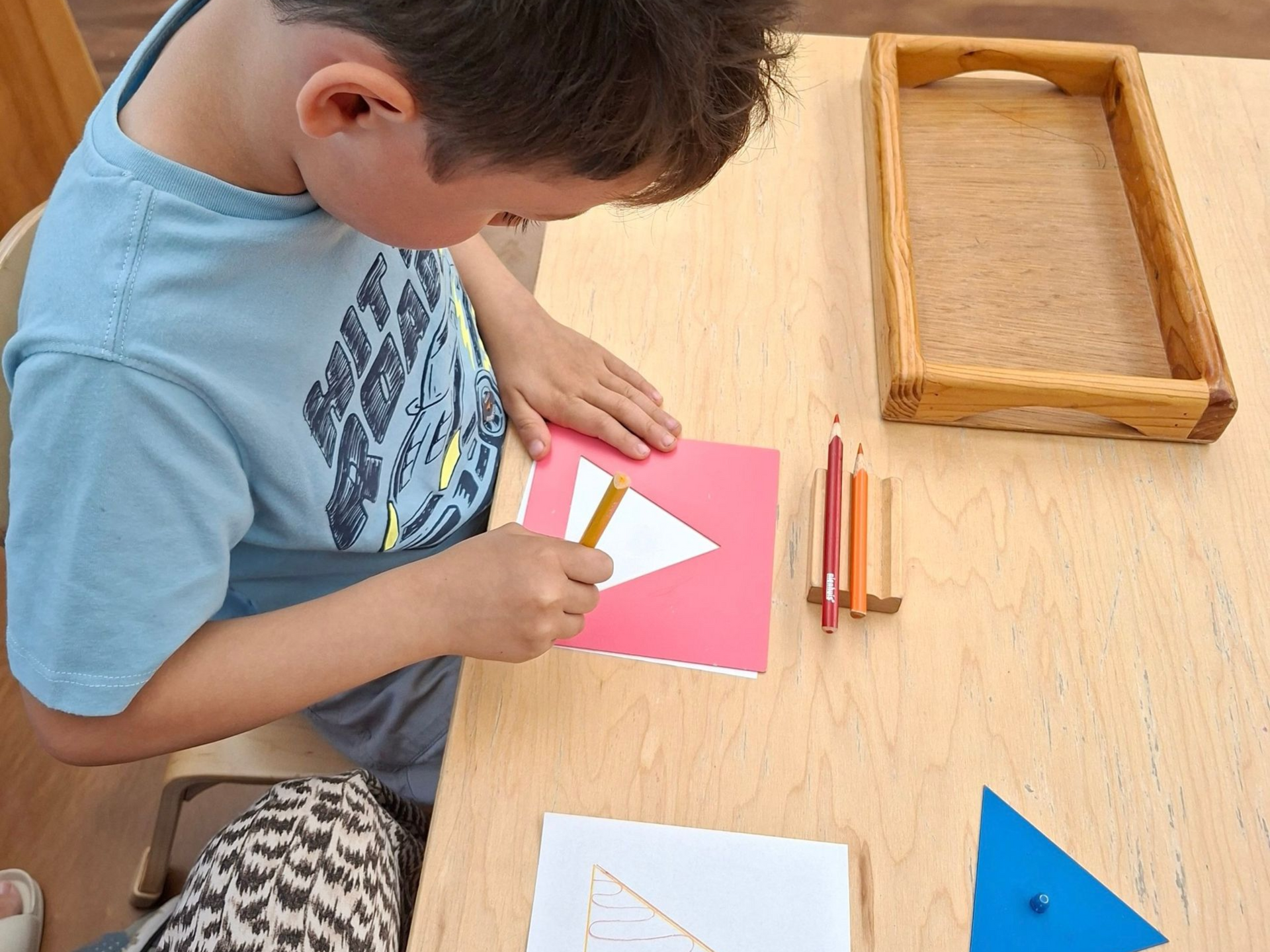
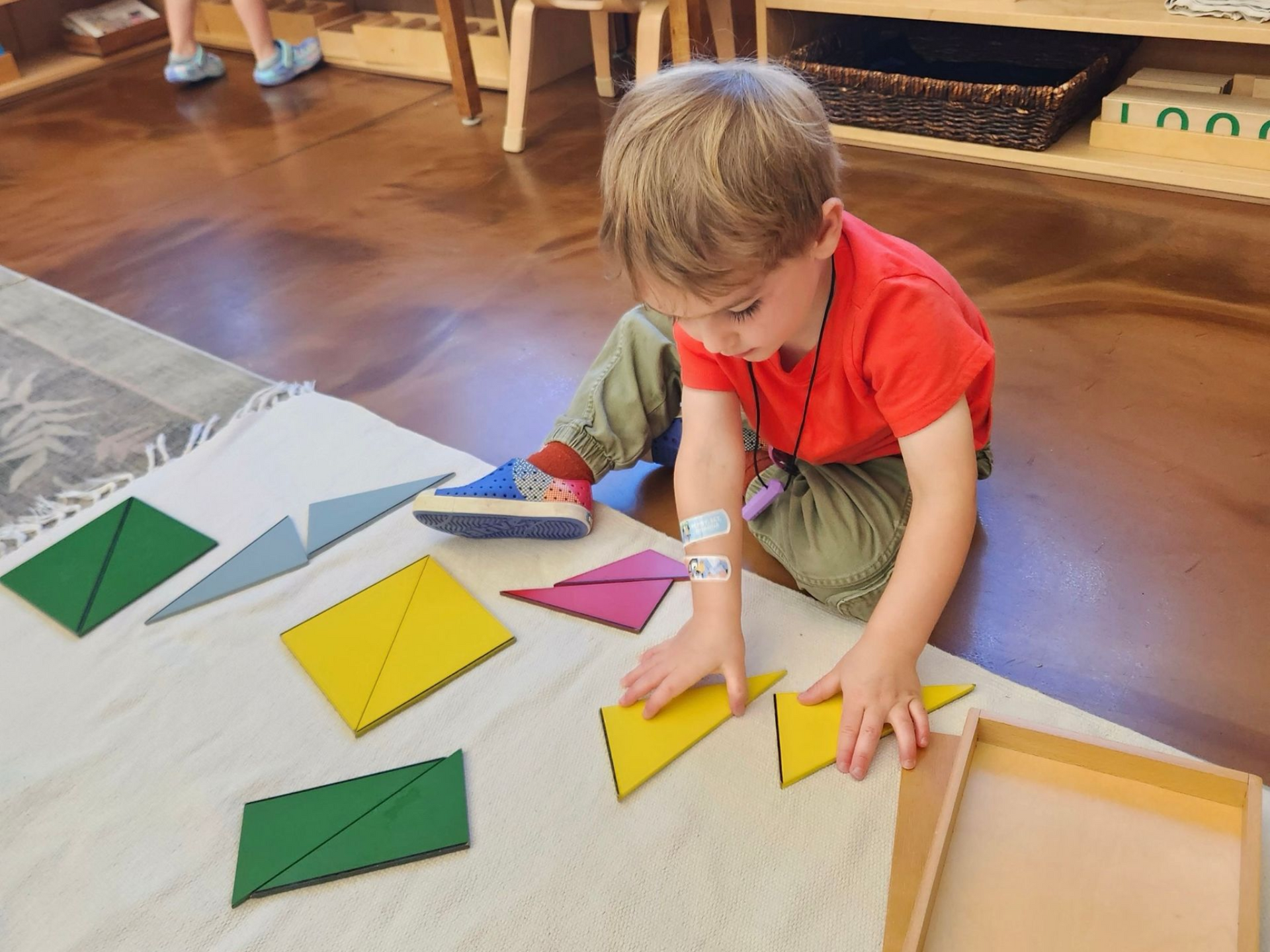
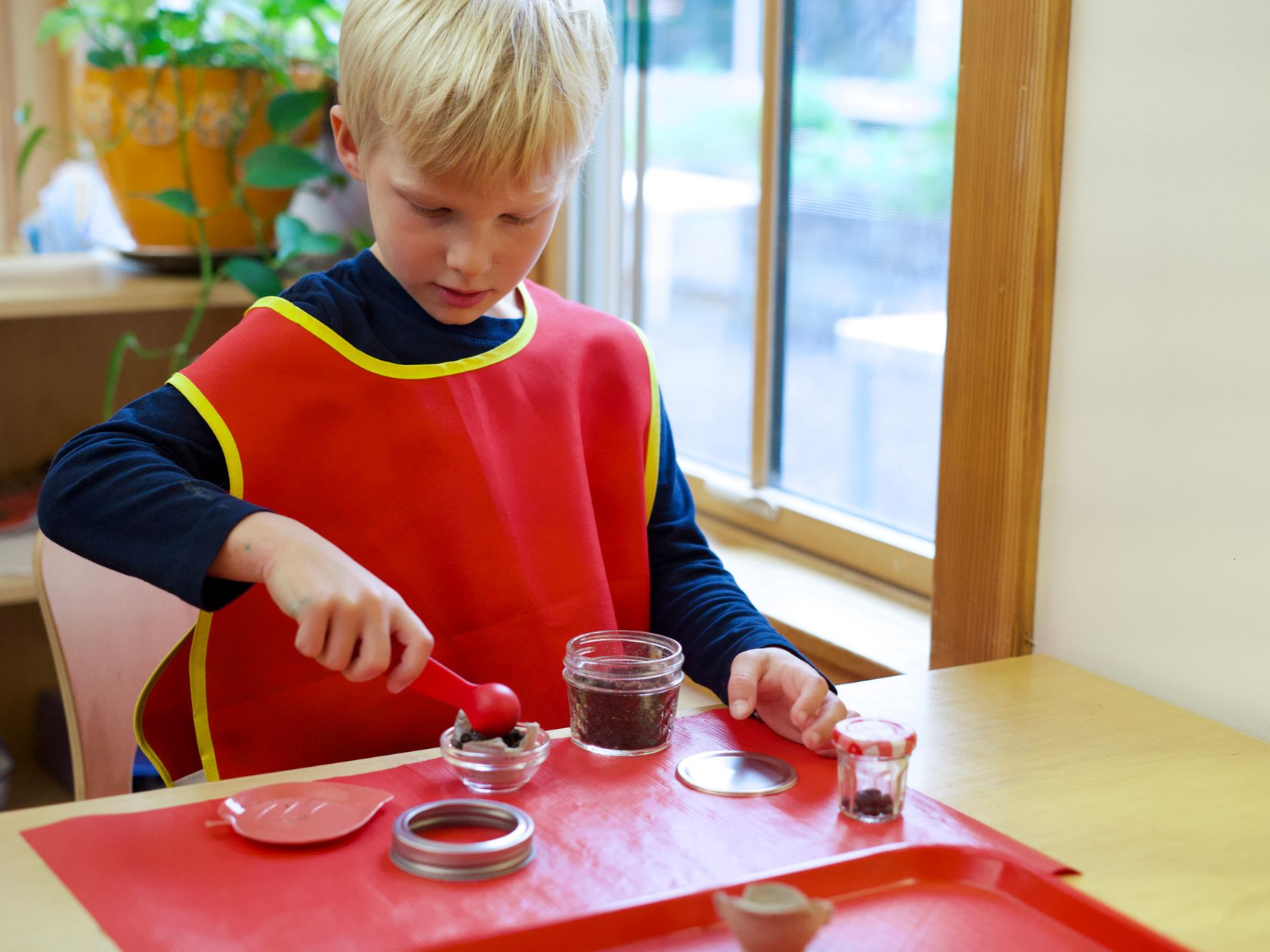
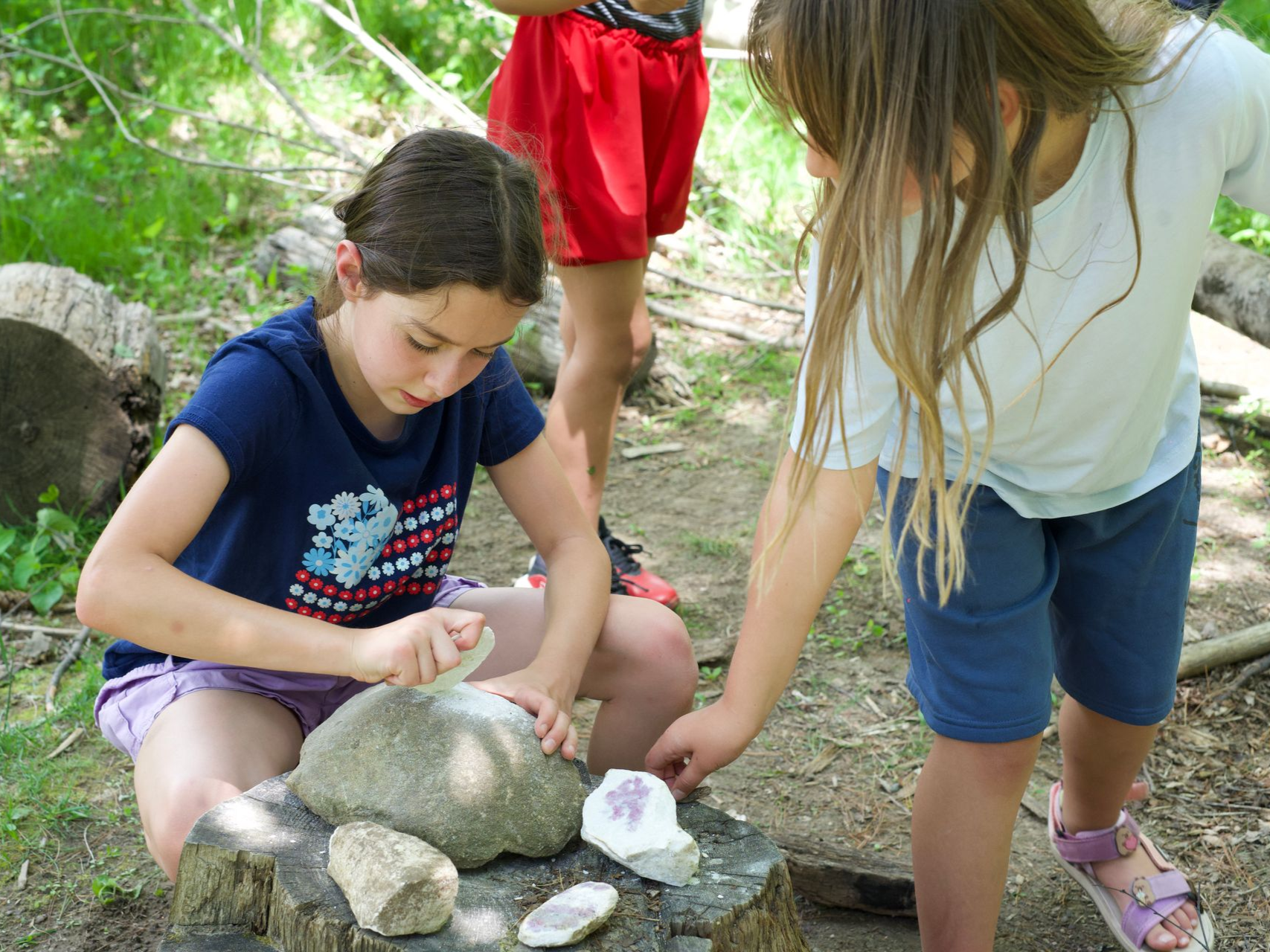
We are sure you can see where we’re going with this. We believe Montessori does, indeed, meet our shared goals and values for children’s learning and education. Our approach is dramatically different from that of many of our conventional counterparts. Conventional schools are making changes, and we are hopeful that the pendulum will continue to swing away from rigid learning approaches and toward more modern ones.
Montessori is ready to tackle the challenges of today’s students and their learning needs, and we’re ready to do it right now.
We honor each child as an individual who deserves to be heard and respected.
We recognize that individuals move at different paces and have different interests, talents, and needs.
We believe in nurturing a society based in deep empathy: empathy for other humans, for other living things, and for the earth itself.
We know there needs to be a balance between solitude and cooperation.
We think it’s critical to help children master the basics. Still, at a certain point, they must learn how to find high-quality information, rather than memorization of endless facts deemed important by someone else.
We want children to find joy in their learning, to feel compelled to explore, and to regard their education as a foundation that will carry them throughout their lives.
We hope this article, at the very least, gave you a chance to pause and consider. We would love to hear your thoughts.